
经伽马射线辐照的灭菌生物活性玻璃涂层磁性纳米颗粒的评估:物理化学完整性和生物相容性
Evaluation of Sterilized Bioactive-Glass-Coated Magnetic Nanoparticles: Physicochemical Integrity and Biological Compatibility After Gamma Irradiation.
作者信息
Acioli de Siqueira João Gabriel, Andrade Ângela Leão, de Andrade Rodrigo Ribeiro, Viana Pedro Igor Macário, Sousa Lucas Resende Dutra, Vieira Paula Melo de Abreu, Vieira Gabriel Maia, Almeida Tatiane Cristine Silva de, Martins Maximiliano Delany, de Oliveira Samantha Roberta Machado, Martins Flaviano Dos Santos, Andrade Marcelo Barbosa de, Domingues Rosana Zacarias, Goes Alfredo Miranda de, Costa Guilherme Mattos Jardim, Valverde Thalita Marcolan
机构信息
Departamento de Morfologia, Instituto de Ciências Biológicas, Universidade Federal de Minas Gerais (UFMG), Belo Horizonte 31270-901, MG, Brazil.
Departamento de Química, Instituto de Ciências Exatas e Biológicas, Universidade Federal de Ouro Preto (UFOP), Ouro Preto 35400-000, MG, Brazil.
出版信息
Pharmaceutics. 2025 Aug 12;17(8):1048. doi: 10.3390/pharmaceutics17081048.
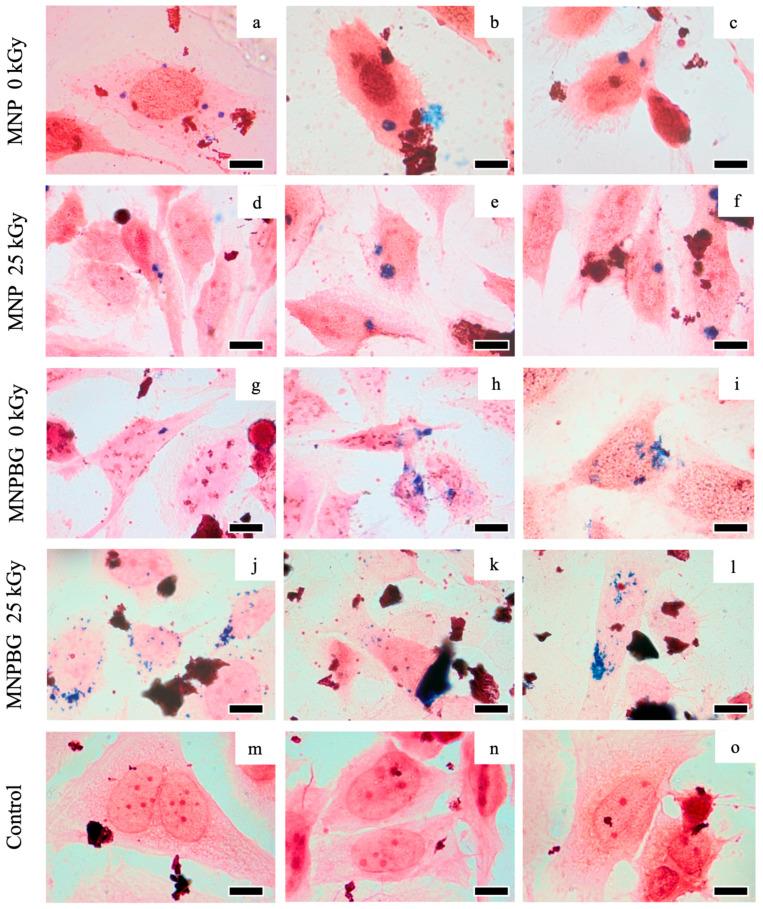
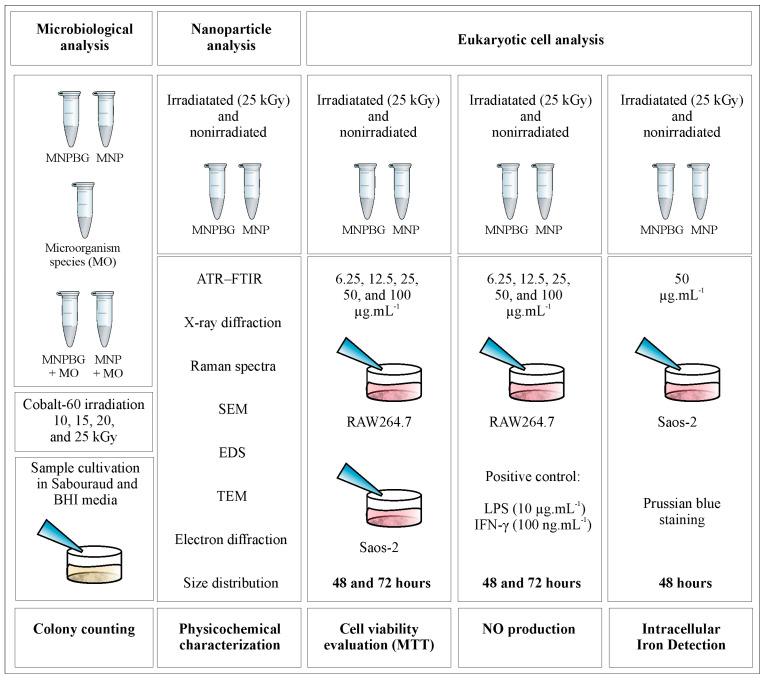
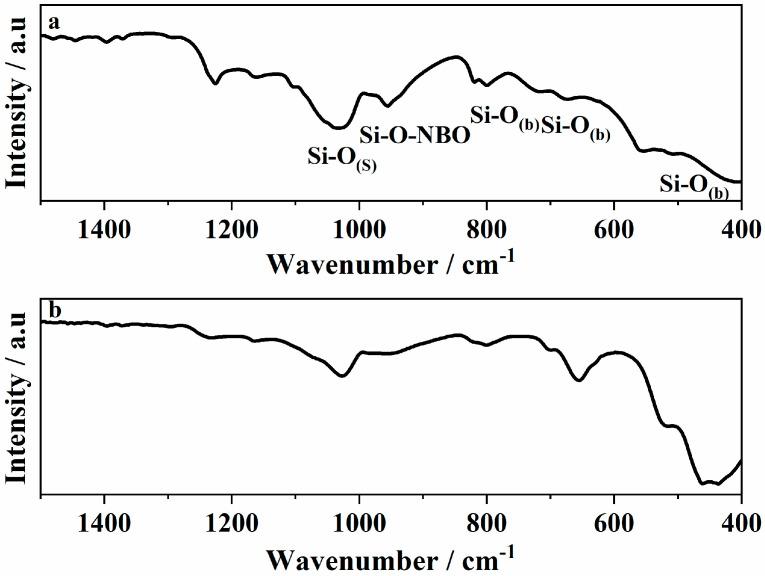
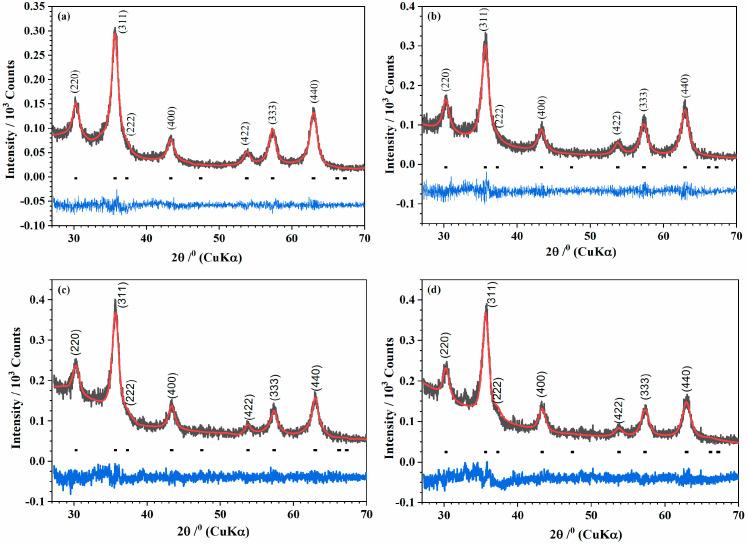
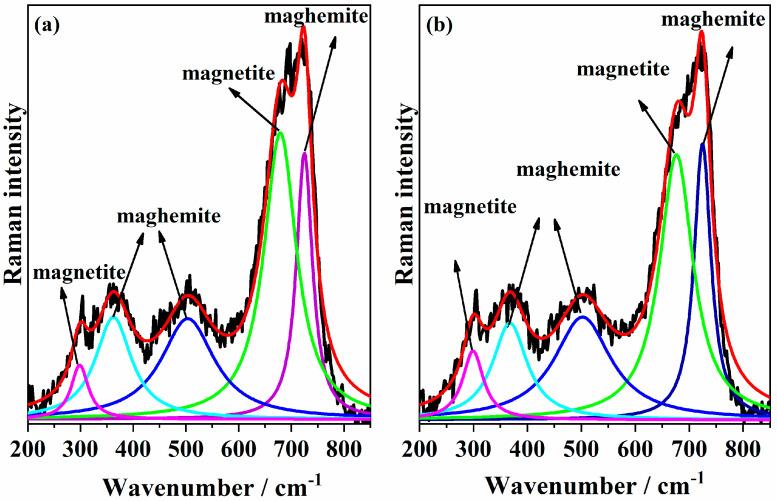
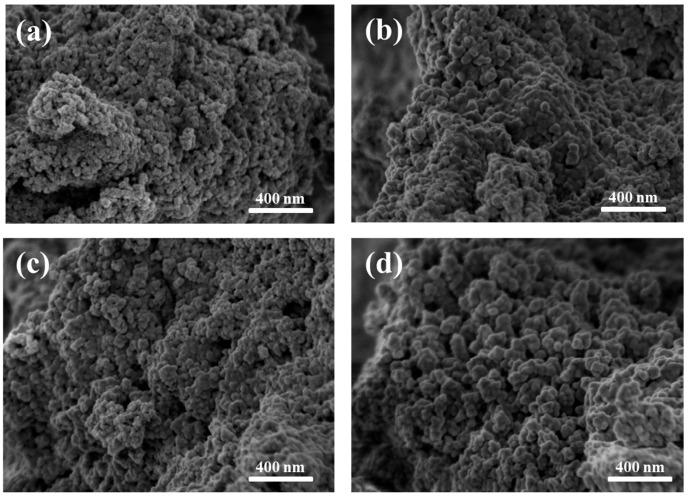
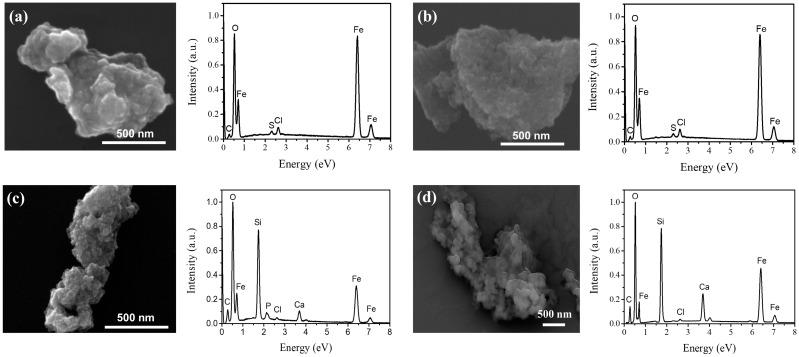
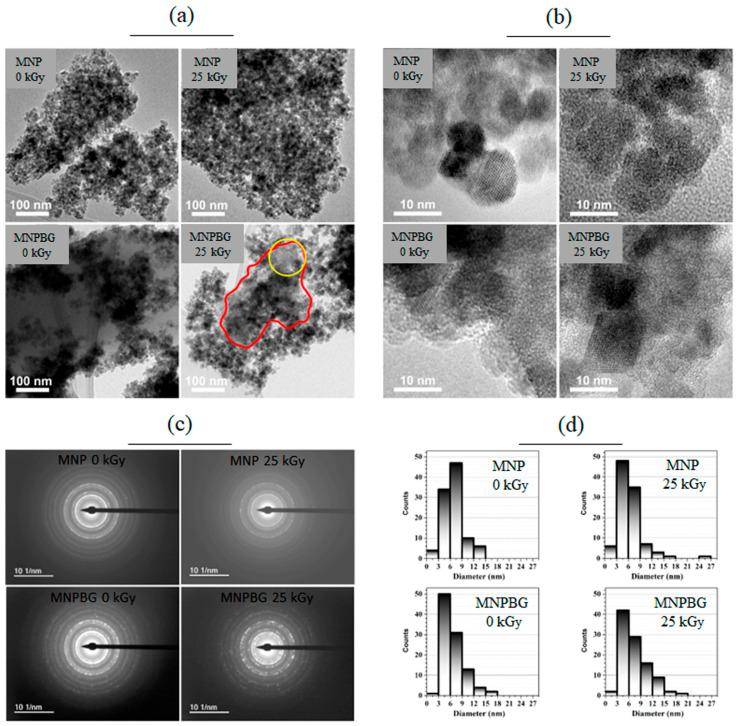
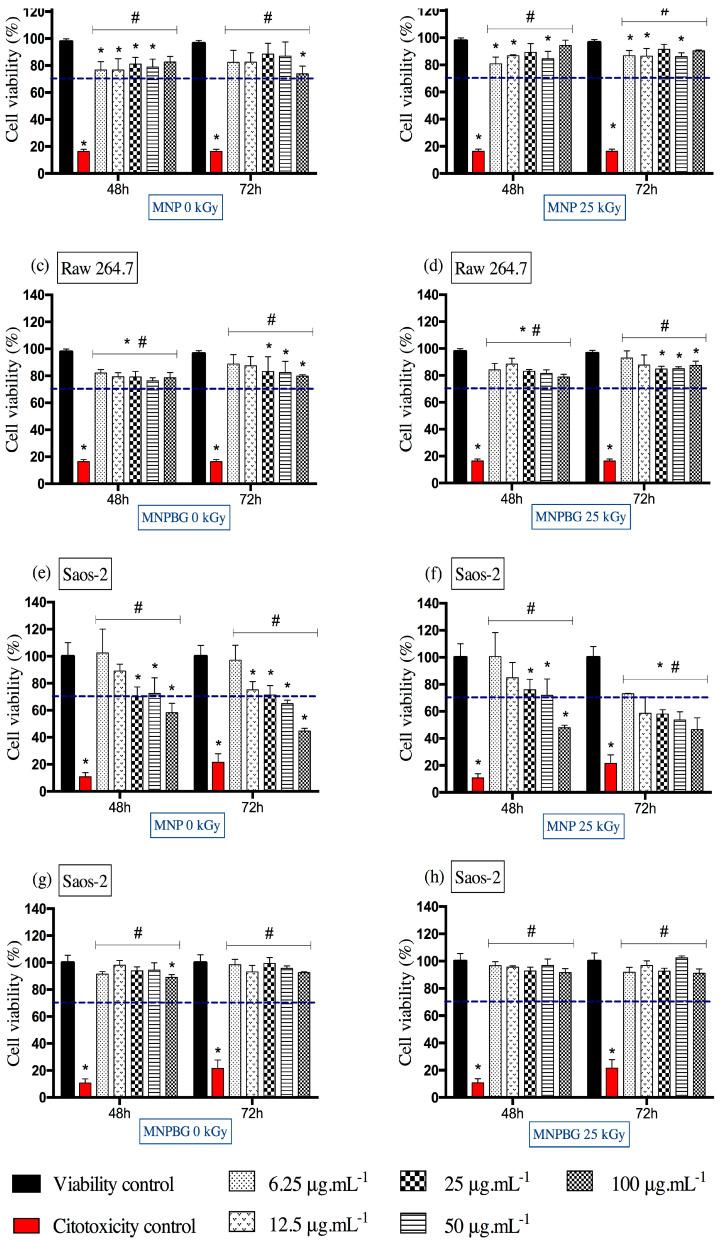
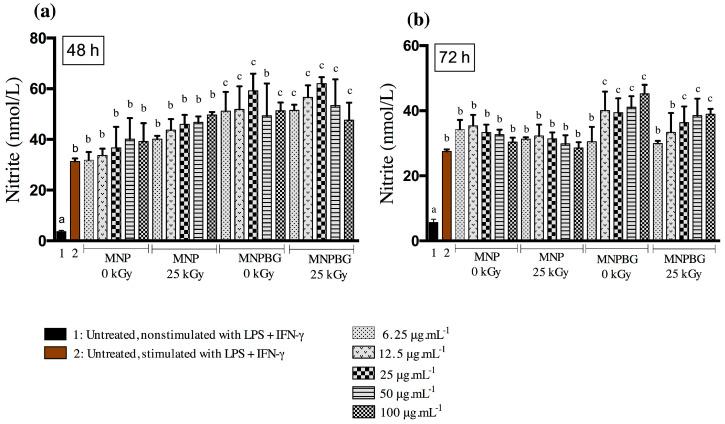
: Gamma irradiation is a promising terminal sterilization method for nanoparticle-based biomedical systems. However, its potential effects on the physicochemical properties and biological performance of multifunctional nanomaterials must be carefully evaluated. This study aimed to assess the structural integrity, sterility, and cytocompatibility of magnetic nanoparticles (MNPs) and bioactive-glass-coated magnetic nanoparticles (MNPBGs), both based on magnetite (FeO), after gamma irradiation. MNPs and MNPBGs were synthesized and subjected to gamma irradiation at 25 kGy, with additional doses explored in preliminary evaluations. Physicochemical characterizations were performed using XRD, TEM, SAED, and Raman spectroscopy. FTIR analyses were conducted on bioactive glass (BG) controls without magnetite. Sterility was evaluated via microbiological assays. Cytocompatibility and nitric oxide (NO) production were assessed using RAW 264.7 macrophages and Saos-2 osteosarcoma cells. Prussian blue staining was used to evaluate cellular uptake. Gamma irradiation preserved the crystal structure, morphology, and size distribution of the nanoparticles. FTIR revealed only minor changes in the silicate network of BG, such as reduced intensity and slight shifting of Si-O-Si and Si-O-NBO bands, indicating limited radiation-induced structural rearrangement without affecting the material's stability or cytocompatibility. Microbiological assays confirmed complete inhibition of microbial growth. All irradiated samples exhibited high cytocompatibility, with MNPBGs demonstrating enhanced biological responses. Notably, MNPBGs induced a more pronounced NO production in macrophages. Cellular uptake of nanoparticles by Saos-2 cells remained unaffected after irradiation. Gamma irradiation at 25 kGy is an effective sterilization strategy that maintains the structural and functional integrity of MNPs and MNPBGs. These findings support their safe use in sterile biomedical applications, particularly for bone-related therapies involving immunomodulation and drug delivery, with potential relevance for cancer treatment strategies such as osteosarcoma.
γ辐照是一种用于基于纳米颗粒的生物医学系统的很有前景的终端灭菌方法。然而,必须仔细评估其对多功能纳米材料的物理化学性质和生物学性能的潜在影响。本研究旨在评估γ辐照后基于磁铁矿(FeO)的磁性纳米颗粒(MNP)和生物活性玻璃包覆的磁性纳米颗粒(MNPBG)的结构完整性、无菌性和细胞相容性。合成了MNP和MNPBG,并在25 kGy下进行γ辐照,在初步评估中还探索了其他剂量。使用X射线衍射(XRD)、透射电子显微镜(TEM)、选区电子衍射(SAED)和拉曼光谱进行物理化学表征。对不含磁铁矿的生物活性玻璃(BG)对照进行了傅里叶变换红外光谱(FTIR)分析。通过微生物检测评估无菌性。使用RAW 264.7巨噬细胞和Saos-2骨肉瘤细胞评估细胞相容性和一氧化氮(NO)的产生。普鲁士蓝染色用于评估细胞摄取。γ辐照保留了纳米颗粒的晶体结构、形态和尺寸分布。FTIR显示BG的硅酸盐网络仅发生微小变化,如Si-O-Si和Si-O-NBO带的强度降低和轻微位移,表明辐射诱导的结构重排有限,而不影响材料的稳定性或细胞相容性。微生物检测证实完全抑制了微生物生长。所有辐照样品均表现出高细胞相容性,MNPBG表现出增强的生物学反应。值得注意的是,MNPBG在巨噬细胞中诱导产生更明显的NO。辐照后,Saos-2细胞对纳米颗粒的摄取保持不变。25 kGy的γ辐照是一种有效的灭菌策略,可维持MNP和MNPBG的结构和功能完整性。这些发现支持它们在无菌生物医学应用中的安全使用,特别是对于涉及免疫调节和药物递送的骨相关治疗,对骨肉瘤等癌症治疗策略可能具有相关性。
 Zotero 插件