
急性肺损伤小鼠模型中超氧化物的电子顺磁共振检测
Electron paramagnetic resonance detection of superoxide in a murine model of acute lung injury.
作者信息
Elajaili Hanan B, Dee Nathan, Hovey Tanden, Canny Autumn, Amassah Georgina, Posey Janelle, Rinard George A, Kao Joseph P Y, Eaton Sandra S, Eaton Gareth R, Nozik Eva S
机构信息
Cardiovascular Pulmonary Research Laboratories and Pediatric Critical Care Medicine, University of Colorado Anschutz Medical Campus, 12700 E. 19 Ave., Aurora, CO 80045 USA.
Department of Chemistry and Biochemistry, University of Denver, Denver, CO USA.
出版信息
Discov Imaging. 2025;2(1):11. doi: 10.1007/s44352-025-00014-1. Epub 2025 Aug 28.
UNLABELLED
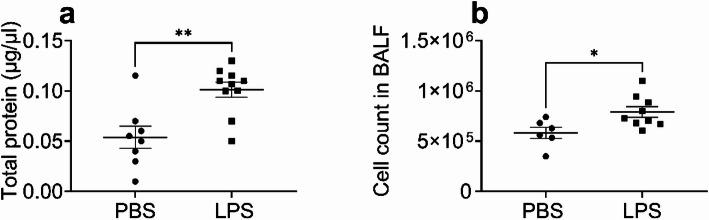
Superoxide (O ) production in an acute lung injury (ALI) murine model was detected by electron paramagnetic resonance (EPR) spectroscopy and imaging. Lung injury was induced in wild-type (WT) mice and transgenic (Tg) mice with lung-specific EC-SOD overexpression by lipopolysaccharide (LPS) administered intraperitoneally (IP) at a dose of 10 mg/kg. At 24 h after LPS treatment, mice were treated intraperitoneally and subcutaneously with the cyclic hydroxylamine probe, CMH, for superoxide measurements in the blood, or via intratracheal delivery (IT) with the cyclic hydroxylamine probes, CPH or DCP-AM-H, for lung cellular and mitochondrial superoxide detection. Blood was drawn one hour after CMH probe administration, while lungs were harvested five minutes following the administration of CPH or DCP-AM-H. Superoxide measurements in the blood by EPR were performed at X-band (~ 9.5 GHz). EPR images of isolated lungs were obtained by rapid-scan EPR at L-band (1 GHz). Inflammatory cell count, protein, and cell count in bronchoalveolar lavage fluid (BALF) were used to evaluate systemic inflammation and lung injury, respectively. Increased circulating neutrophils and monocytes indicate LPS-induced systemic inflammation. LPS-induced ALI was evidenced by increased alveolar protein and inflammatory cell count. In WT mice LPS increased superoxide in blood and increased lung cellular and mitochondrial superoxide, measured by EPR. In Tg mice with increased lung EC-SOD, blood superoxide increased; however, lung cellular and mitochondrial superoxide did not increase with LPS. These results show that EPR spectroscopy and imaging of excised lungs can detect superoxide production in a model of ALI and differentiate between cellular and mitochondrial superoxide. This provides essential new information as we showed that changes in lung superoxide does not always correlate with changes in blood superoxide levels. This is a significant step toward the ultimate goal of establishing a protocol for real-time monitoring of lung redox status in vivo, enabling disease risk stratification and guiding clinical research.
SUPPLEMENTARY INFORMATION
The online version contains supplementary material available at 10.1007/s44352-025-00014-1.
未标记
通过电子顺磁共振(EPR)光谱和成像检测急性肺损伤(ALI)小鼠模型中的超氧化物(O )产生。通过腹腔注射(IP)10 mg/kg剂量的脂多糖(LPS),在野生型(WT)小鼠和肺特异性过表达细胞外超氧化物歧化酶(EC-SOD)的转基因(Tg)小鼠中诱导肺损伤。LPS处理24小时后,给小鼠腹腔内和皮下注射环状羟胺探针CMH,用于测量血液中的超氧化物,或通过气管内给药(IT)环状羟胺探针CPH或DCP-AM-H,用于检测肺细胞和线粒体超氧化物。在注射CMH探针1小时后采集血液,在注射CPH或DCP-AM-H 5分钟后收获肺。通过EPR在X波段(~9.5 GHz)测量血液中的超氧化物。通过L波段(1 GHz)的快速扫描EPR获得离体肺的EPR图像。支气管肺泡灌洗液(BALF)中的炎症细胞计数、蛋白质和细胞计数分别用于评估全身炎症和肺损伤。循环中性粒细胞和单核细胞增加表明LPS诱导的全身炎症。肺泡蛋白和炎症细胞计数增加证明LPS诱导的ALI。在WT小鼠中,LPS增加了血液中的超氧化物,并增加了通过EPR测量的肺细胞和线粒体超氧化物。在肺EC-SOD增加的Tg小鼠中,血液超氧化物增加;然而,LPS处理后肺细胞和线粒体超氧化物没有增加。这些结果表明,切除肺的EPR光谱和成像可以检测ALI模型中的超氧化物产生,并区分细胞超氧化物和线粒体超氧化物。这提供了重要的新信息,因为我们表明肺超氧化物的变化并不总是与血液超氧化物水平的变化相关。这是朝着建立体内肺氧化还原状态实时监测方案、实现疾病风险分层和指导临床研究的最终目标迈出的重要一步。
补充信息
在线版本包含可在10.1007/s44352-025-00014-1获取的补充材料。



 Zotero 插件