Ozsandikcioglu Umit, Atasoy Ayten, Guney Selda
Department of Electrical and Electronics, Faculty of Engineering, Karadeniz Technical University, 61080 Trabzon, Türkiye.
Department of Electrical and Electronics Engineering, Baskent University, 06790 Ankara, Türkiye.
Sensors (Basel). 2025 Aug 24;25(17):5271. doi: 10.3390/s25175271.
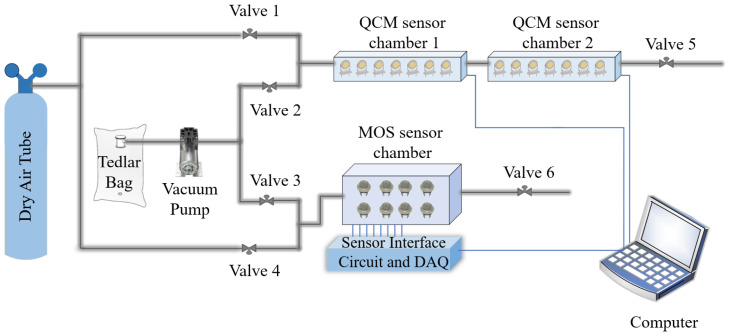
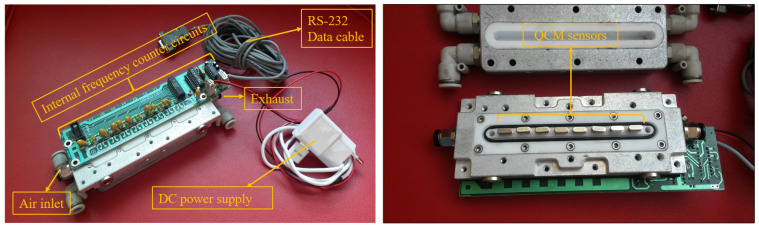
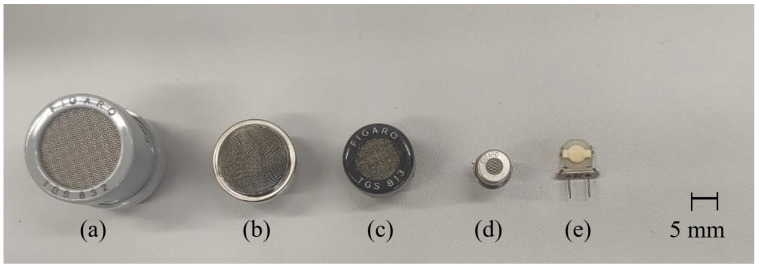
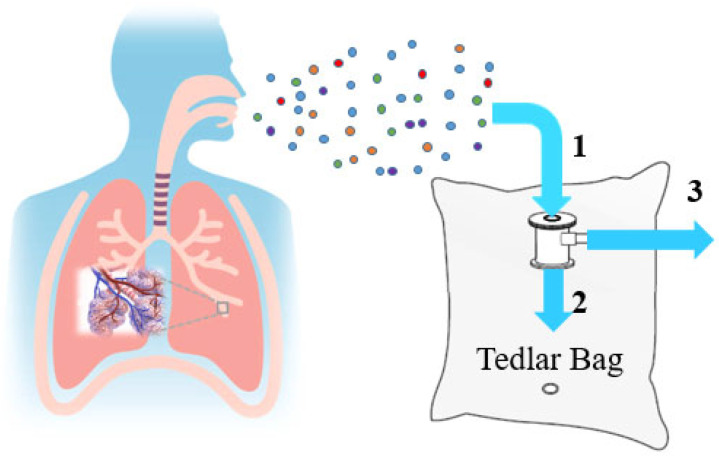
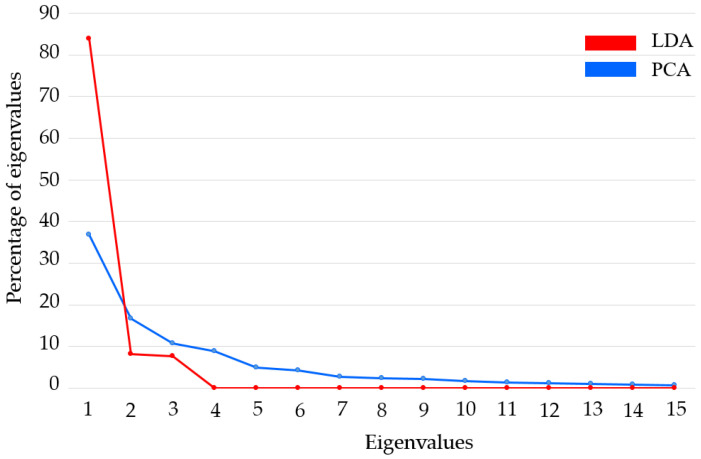
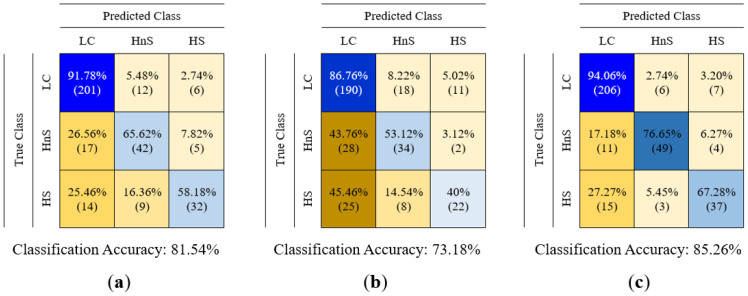
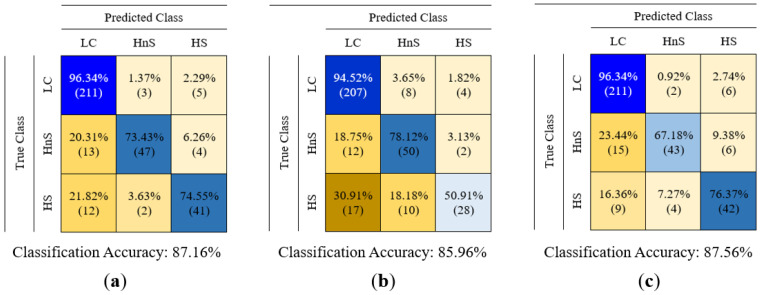
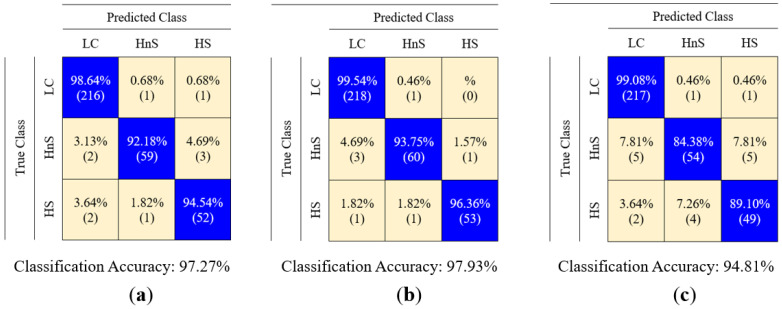
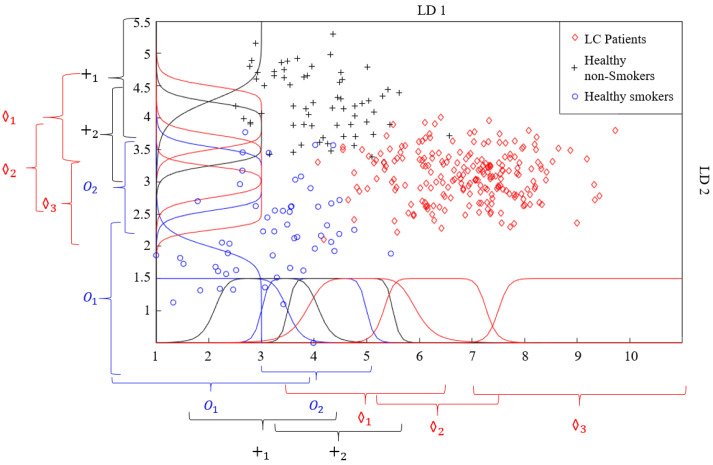
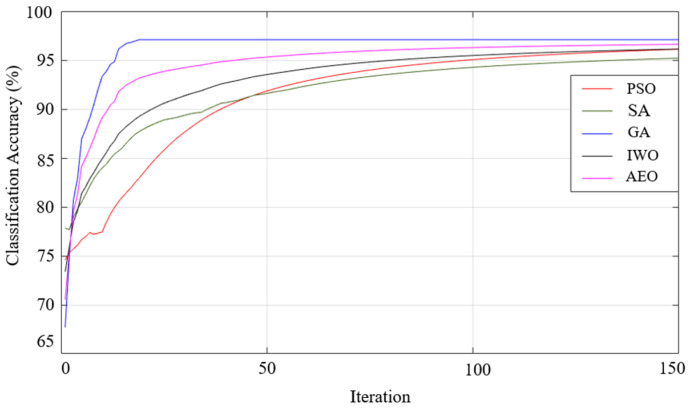
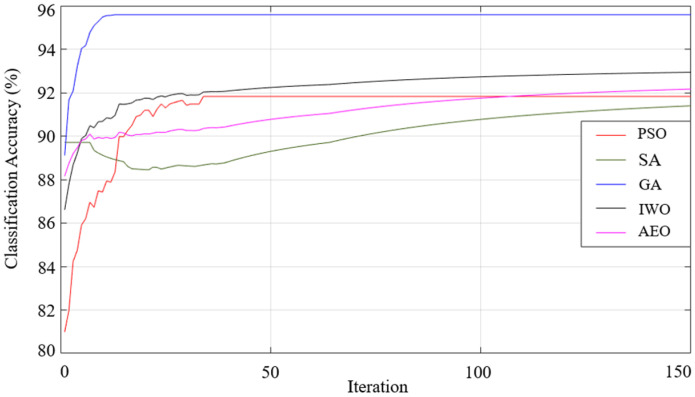
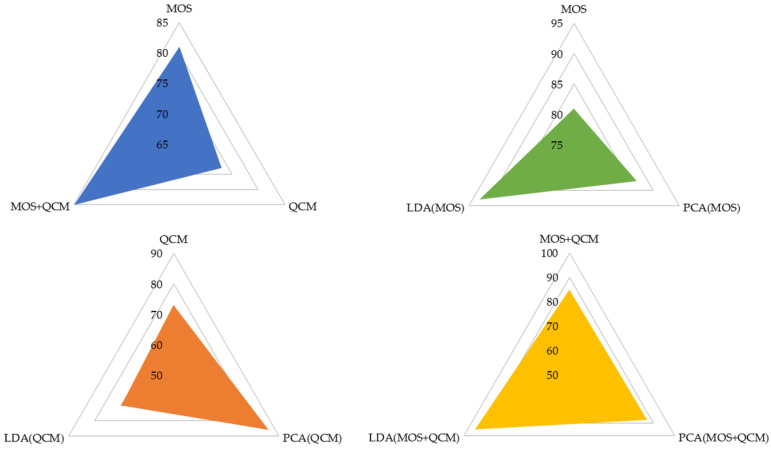
In this study, a hybrid sensor-based electronic nose circuit was developed using eight metal-oxide semiconductors and 14 quartz crystal microbalance gas sensors. This study included 100 participants: 60 individuals diagnosed with lung cancer, 20 healthy nonsmokers, and 20 healthy smokers. A total of 338 experiments were performed using breath samples throughout this study. In the classification phase of the obtained data, in addition to traditional classification algorithms, such as decision trees, support vector machines, k-nearest neighbors, and random forests, the fuzzy logic method supported by the optimization algorithm was also used. While the data were classified using the fuzzy logic method, the parameters of the membership functions were optimized using a nature-inspired optimization algorithm. In addition, principal component analysis and linear discriminant analysis were used to determine the effects of dimension-reduction algorithms. As a result of all the operations performed, the highest classification accuracy of 94.58% was achieved using traditional classification algorithms, whereas the data were classified with 97.93% accuracy using the fuzzy logic method optimized with optimization algorithms inspired by nature.
在本研究中,使用八个金属氧化物半导体和14个石英晶体微天平气体传感器开发了一种基于混合传感器的电子鼻电路。本研究包括100名参与者:60名被诊断为肺癌的个体、20名健康非吸烟者和20名健康吸烟者。在整个研究过程中,使用呼吸样本进行了总共338次实验。在对获得的数据进行分类阶段,除了传统分类算法,如决策树、支持向量机、k近邻和随机森林外,还使用了由优化算法支持的模糊逻辑方法。在使用模糊逻辑方法对数据进行分类时,使用自然启发式优化算法对隶属函数的参数进行了优化。此外,还使用主成分分析和线性判别分析来确定降维算法的效果。所有操作的结果是,使用传统分类算法实现了94.58%的最高分类准确率,而使用受自然启发的优化算法优化的模糊逻辑方法对数据进行分类时,准确率达到了97.93%。