Coleman Michael F, McDonell Shannon B, Eisenbeis Lydia K, Devericks Emily N, Chandi Jobin, Dave Om, Pearce Jane B, Wang Sylvia, Cody Morgan, Bustamante-Marin Ximena M, Glenny Elaine M, Rezeli Erika T, Cozzo Alyssa J, O'Flanagan Ciara H, Bathon Brooke E, Shaikh Saame Raza, Milne Ginger L, Wendt Michael K, Lanman Nadia A, Teegarden Dorothy, Hursting Stephen D
Department of Nutrition, University of North Carolina, 235 Dauer Drive, MJHRC Room 2009, Chapel Hill, NC, 27599, USA.
Lineberger Comprehensive Cancer Center, University of North Carolina, 235 Dauer Drive, MJHRC Room 2115, Chapel Hill, NC, 27599, USA.
Breast Cancer Res. 2025 Oct 24;27(1):186. doi: 10.1186/s13058-025-02134-2.
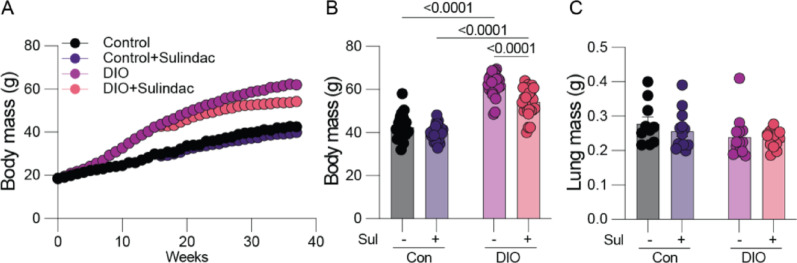
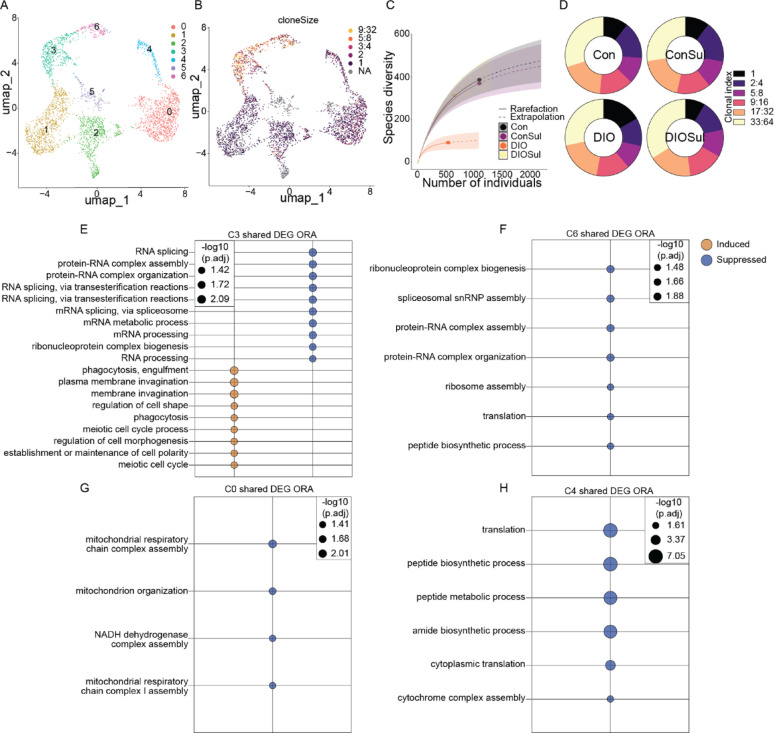
Obesity affects over 40% of women in the US and increases the risk and progression of several cancers, including triple-negative breast cancer (TNBC), in part through chronic low-grade inflammation and impaired antitumor immunity. While weight loss can reverse obesity-driven cancer risk, cost and other factors limit the accessibility of effective weight loss interventions. This study investigated whether sulindac, a nonsteroidal anti-inflammatory drug (NSAID), could mitigate obesity-driven TNBC progression. Using multiple preclinical models, we demonstrate that sulindac treatment abrogates obesity-accelerated tumor growth and metastasis without affecting body weight or composition. Bulk transcriptomic profiling revealed obesity-driven suppression of immune-related gene signatures in the tumor microenvironment (TME)—including antigen presentation—while sulindac treatment restored these signatures. Single-cell RNA sequencing identified sulindac-mediated reprogramming of tumoral metabolism toward oxidative phosphorylation and restoration of antigen presentation machinery in tumor-associated macrophages. Sulindac also reversed obesity-driven reduction in T cell receptor diversity within the TME. We conclude that sulindac treatment remodels the TME and restores obesity-associated impairments of immunosurveillance, offering a potentially accessible intervention to limit obesity-driven TNBC progression. We demonstrate that NSAIDs, which are generally safe, cheap, and readily available, limit the burden of obesity-driven TNBC preclinically, warranting further evaluation as a targeted clinical intervention.
[Image: see text]
The online version contains supplementary material available at 10.1186/s13058-025-02134-2.
肥胖影响着美国超过40%的女性,并增加了包括三阴性乳腺癌(TNBC)在内的几种癌症的风险和进展,部分原因是慢性低度炎症和抗肿瘤免疫受损。虽然体重减轻可以逆转肥胖驱动的癌症风险,但成本和其他因素限制了有效减肥干预措施的可及性。本研究调查了非甾体抗炎药(NSAID)舒林酸是否可以减轻肥胖驱动的TNBC进展。使用多种临床前模型,我们证明舒林酸治疗可消除肥胖加速的肿瘤生长和转移,而不影响体重或身体成分。大量转录组分析揭示了肥胖驱动的肿瘤微环境(TME)中免疫相关基因特征的抑制——包括抗原呈递——而舒林酸治疗恢复了这些特征。单细胞RNA测序确定了舒林酸介导的肿瘤代谢重编程为氧化磷酸化,并恢复了肿瘤相关巨噬细胞中的抗原呈递机制。舒林酸还逆转了肥胖驱动的TME内T细胞受体多样性的降低。我们得出结论,舒林酸治疗可重塑TME并恢复肥胖相关的免疫监视损伤,为限制肥胖驱动的TNBC进展提供了一种潜在的可及干预措施。我们证明,通常安全、便宜且容易获得的NSAIDs在临床前可减轻肥胖驱动的TNBC负担,值得作为一种靶向临床干预措施进行进一步评估。
[图片:见正文]
在线版本包含可在10.1186/s13058-025-02134-2获取的补充材料。