Juni E
J Bacteriol. 1972 Nov;112(2):917-31. doi: 10.1128/jb.112.2.917-931.1972.
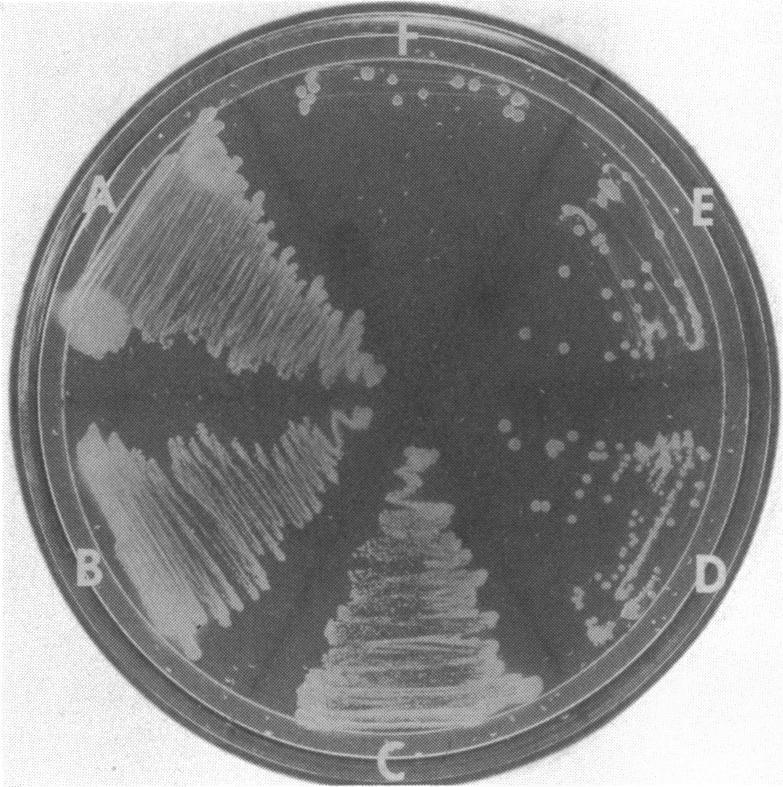
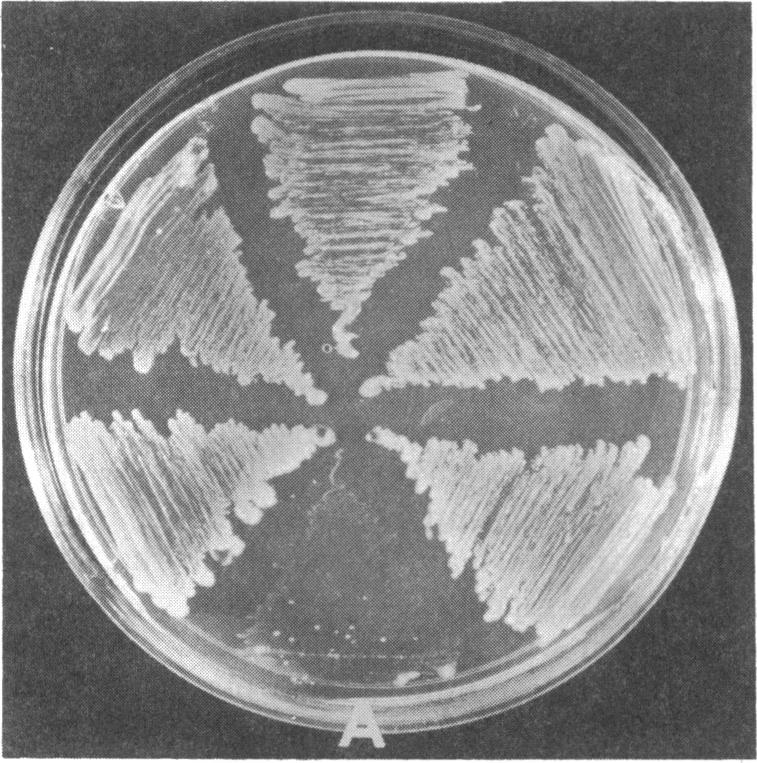
The availability of a strain of Acinetobacter competent for transformation has made it possible to demonstrate the genetic relatedness of a large variety of gram-negative, oxidase-negative, nonmotile, and aerobic coccobacilli originally classified into eleven different genera. Deoxyribonucleic acid (DNA) species from 265 such strains are capable of transforming stable auxotrophs of the competent Acinetobacter to prototrophy. The compositions of these DNA species vary from 40 to 46.8% guanine plus cytosine. Strains with widely differing phenotypic properties are also included in this collection of acinetobacters. DNA species from all oxidase-positive strains of Moraxella and from a variety of common bacteria are unable to transform the competent Acinetobacter. Although acinetobacters are usually considered to be unable to reduce nitrate to nitrite, six strains known to carry out this reduction have been shown to be authentic acinetobacters since their DNA species readily transform the competent Acinetobacter auxotrophs to prototrophy. In contrast to previous findings that acinetobacters rarely grow with glucose as a sole carbon source, the results of the present study show that 17 of the 265 strains grow readily in a glucosemineral medium, and 48 other strains can mutate spontaneously to grow in such a medium. A second competent strain of Acinetobacter, originally unable to use glucose, d-xylose, or d-ribose as carbon sources, has been transformed for ability to dissimilate these compounds using DNA species from strains that normally grow on these sugars. Although most of the 265 Acinetobacter strains studied were originally grown on complex media when isolated from human sources, only nine of these strains require growth factors in order to grow in a mineral medium containing a single carbon and energy source. A simple transformation assay has been devised for rapid examination of large numbers of strains to determine whether or not they are acinetobacters. This assay, which is suitable for routine diagnostic work, includes a procedure for preparation of crude transforming DNA from a small quantity of bacterial paste. Samples of DNA prepared from Acinetobacter cultures that had died on slants and plates were still able to effect transformation of the competent auxotrophs to prototrophy.
一种适合转化的不动杆菌菌株的存在,使得证明大量最初被归类为11个不同属的革兰氏阴性、氧化酶阴性、无动力和好氧球杆菌的遗传相关性成为可能。来自265株此类菌株的脱氧核糖核酸(DNA)能将有转化能力的不动杆菌的稳定营养缺陷型转化为原养型。这些DNA的鸟嘌呤加胞嘧啶组成从40%到46.8%不等。这组不动杆菌中还包括表型特性差异很大的菌株。来自莫拉克斯氏菌所有氧化酶阳性菌株以及各种常见细菌的DNA均无法转化有转化能力的不动杆菌。尽管不动杆菌通常被认为无法将硝酸盐还原为亚硝酸盐,但已知能进行这种还原的6株菌株已被证明是真正的不动杆菌,因为它们的DNA能轻易地将有转化能力的不动杆菌营养缺陷型转化为原养型。与之前关于不动杆菌很少以葡萄糖作为唯一碳源生长的研究结果相反,本研究结果表明,265株菌株中有17株能在葡萄糖-矿物培养基中轻松生长,另外48株菌株可自发突变以在这种培养基中生长。第二株有转化能力的不动杆菌菌株,最初无法利用葡萄糖、D-木糖或D-核糖作为碳源,已通过使用来自通常能在这些糖类上生长的菌株的DNA转化为能够异化这些化合物的能力。尽管所研究的265株不动杆菌菌株中的大多数最初从人类来源分离时是在复杂培养基上生长的,但这些菌株中只有9株在含有单一碳源和能源的矿物培养基中生长需要生长因子。已经设计了一种简单的转化试验,用于快速检测大量菌株以确定它们是否为不动杆菌。这种试验适用于常规诊断工作,包括从少量细菌糊剂制备粗转化DNA的程序。从不动杆菌培养物在斜面和平板上死亡后制备的DNA样品仍能将有转化能力的营养缺陷型转化为原养型。