Cooke W T, Swan C H, Asquith P, Melikian V, McFeely W E
Br Med J. 1973 Feb 10;1(5849):324-7. doi: 10.1136/bmj.1.5849.324.
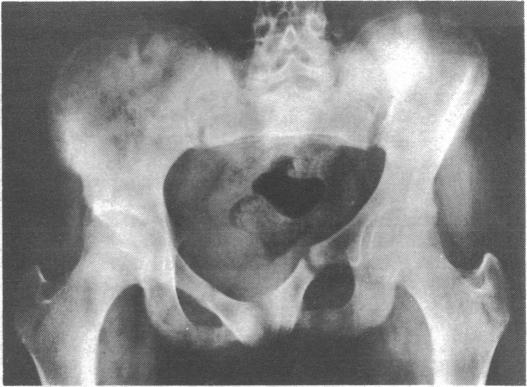
Among 569 schoolchildren (386 boys and 183 girls) aged 14-17 years, 233 had serum alkaline phosphatase values of 30 K.A. units or greater. There was no significant difference in the results in Asian, white, or West Indian children. The mean values were significantly greater in boys than girls and both showed a fall in mean values with increasing age. Radiological rickets occurred in at least 4% of the survey, and was more common in Asians. Low calcium and high hydroxyproline excretion in most of those investigated and the response to vitamin D therapy suggests that most children with alkaline phosphatase levels above 30 K.A. units have rickets.Since the decline of the widespread supplementation of the diet with vitamin D, the demands of the physiological growth spurt for extra vitamin D in adolescents already on a borderline intake may be responsible for the great increase in "biochemical" rickets. Once the growth spurt is over the condition subsides but the results of impaired growth or permanent pelvic deformity will not necessarily be eradicated.
在569名14至17岁的学童中(386名男孩和183名女孩),233人的血清碱性磷酸酶值为30卡门氏单位或更高。亚洲、白人或西印度儿童的检测结果没有显著差异。男孩的平均值显著高于女孩,且两者的平均值均随年龄增长而下降。调查中至少4%的儿童患有放射性佝偻病,在亚洲人中更为常见。大多数被调查者钙含量低、羟脯氨酸排泄量高,以及对维生素D治疗的反应表明,大多数碱性磷酸酶水平高于30卡门氏单位的儿童患有佝偻病。自从广泛饮食补充维生素D的做法减少以来,对于维生素D摄入量处于临界水平的青少年,生理生长突增对额外维生素D的需求可能是“生化”佝偻病大幅增加的原因。一旦生长突增结束,病情就会缓解,但生长受损或永久性骨盆畸形的后果不一定会消除。