Shay J, Gonatas N K
Am J Pathol. 1973 Sep;72(3):369-96.
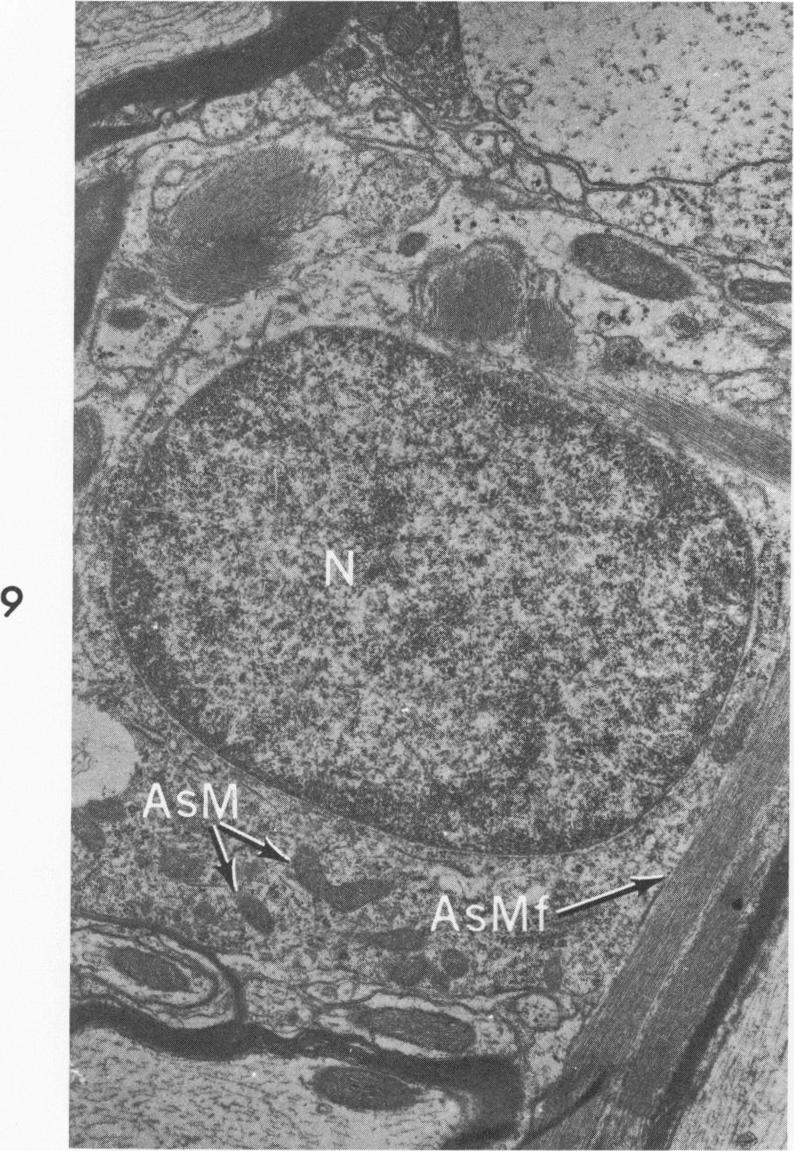
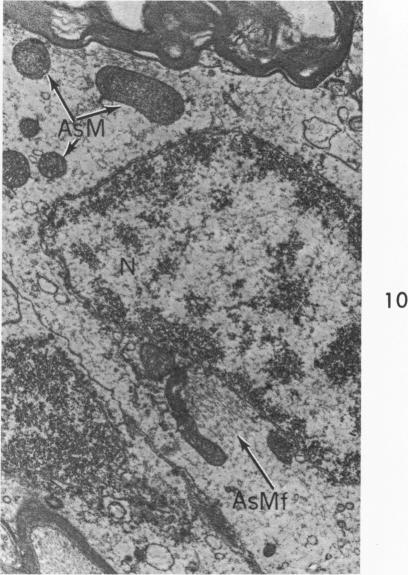
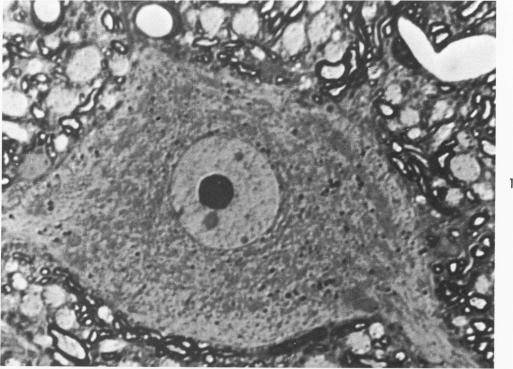
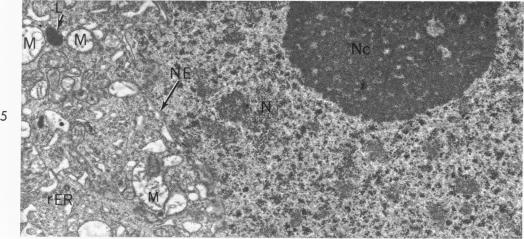
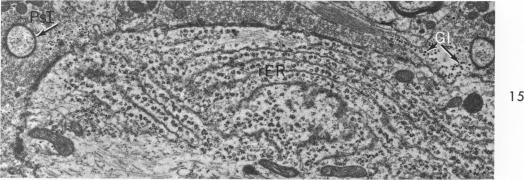
Circulatory arrest to the lumbar spinal cord of adult cat was produced by occlusion of the descending aorta and concurrent arterial hypotension. Local hypothermia of the cord was induced by paraffin oil at 5 C, which was circulated over the exposed surface of the cord, using the laminectomy wound as a trough. Intramedullary temperature was 15 C at a depth of 5 mm. In 10 control animals oil at 37 or 5 C was circulated over the exposed cords (normal-normothermic and normal-hypothermic controls with 1 and 2 hours hypothermia). Three animals had circulatory arrest and recirculation in normothermia (ischemic-normothermic) and 3 in hypothermia (ischemic-simultaneous hypothermia). Three had circulatory arrest and 15 minutes of recirculation in normothermia followed by 1 hour of hypothermia (ischemic-delayed hypothermia). The medial and lateral portions of the anterior gray horns of the last lumbar spinal segment were studied in the light and electron microscopes. Ischemic-normothermic tissue showed 20% shrinkage in mean areas of neuronal perikarya and massive "watery" swelling of astrocytic cell bodies and processes. Within neuronal perikarya and dendrites, cytoplasm increased in electron density, ribosomes dispersed, Golgi apparatus swelled and mitochondria swelled with loss of matrix density and disruption of cristae. Axons and axon terminals did not increase in size, but mitochondria within these structures doubled in size without loss of matrix density or change in pattern of cristae. Synaptic vesicles were no longer uniform in size, and they were clumped away from the synaptic cleft and diminished in number. Lysosomes were unchanged in appearance and size. Mitochondria of astrocytes underwent approximately fourfold enlargement without loss of matrix density or pattern of cristae. Bundles of astrocytic microfilaments were fragmented, spread apart and diminished in quantity. Oligodendroglia and endothelial cells were unchanged. Normal-hypothermic animals were similar to normal-normothermic except for clefts in rough endoplasmic reticulum of neurons and dendrites. These clefts were formed by a separation of the cisternal membrane from the adjacent row of ribosomal rosettes. Ischemic-simultaneous hypothermia animals had findings identical to normal-hypothermic animals. Ischemic-delayed hypothermia animals were similar to ischemic-normothermic animals except for less swelling of astrocytic processes, greater swelling of astrocytic mitochondria and less alteration of microfilaments. The findings show that ischemia in normothermia brings about alterations in virtually every organelle of the neurronal perikaryon except the lysosome. Simultaneous hypothermia in ischemia prevents the protean alterations of ischemia, whereas hypothermia delayed until after the ischemic episode only slightly modifies the cellular lesions found in ischemic-normothermic animals.

通过阻断降主动脉并同时引发动脉低血压,对成年猫的腰脊髓造成循环停滞。用5℃的石蜡油在脊髓暴露表面循环,以诱导脊髓局部低温,利用椎板切除术伤口作为槽。在5毫米深度处,髓内温度为15℃。在10只对照动物中,将37℃或5℃的油在暴露的脊髓上循环(正常体温正常和正常体温低温对照,分别有1小时和2小时低温)。3只动物在正常体温下经历循环停滞和再灌注(缺血正常体温),3只在低温下经历(缺血同时低温)。3只动物在正常体温下经历循环停滞和15分钟再灌注,随后1小时低温(缺血延迟低温)。对最后一个腰脊髓节段前角的内侧和外侧部分进行了光镜和电镜研究。缺血正常体温组织显示神经元胞体平均面积缩小20%,星形胶质细胞体和突起出现大量“水样”肿胀。在神经元胞体和树突内,细胞质电子密度增加,核糖体分散,高尔基体肿胀,线粒体肿胀,基质密度丧失,嵴断裂。轴突和轴突终末大小未增加,但这些结构内的线粒体大小增加一倍,基质密度无损失,嵴的模式无变化。突触小泡大小不再均匀,它们聚集在突触间隙外,数量减少。溶酶体外观和大小未改变。星形胶质细胞的线粒体体积大约增大四倍,基质密度和嵴的模式无损失。星形胶质细胞微丝束断裂、散开且数量减少。少突胶质细胞和内皮细胞未改变。正常体温低温动物与正常体温正常动物相似,只是神经元和树突的粗面内质网有裂隙。这些裂隙是由池膜与相邻的核糖体玫瑰花结排分离形成的。缺血同时低温动物的发现与正常体温低温动物相同。缺血延迟低温动物与缺血正常体温动物相似,只是星形胶质细胞突起肿胀较轻,星形胶质细胞线粒体肿胀较重,微丝改变较少。研究结果表明,正常体温下的缺血几乎会导致神经元胞体内除溶酶体之外的每个细胞器发生改变。缺血时同时低温可防止缺血的多种改变,而延迟至缺血发作后才进行的低温仅略微改变缺血正常体温动物中发现的细胞损伤。