Koch O R, Roatta de Conti L L, Bolaños L P, Stoppani A O
Am J Pathol. 1978 Feb;90(2):325-44.
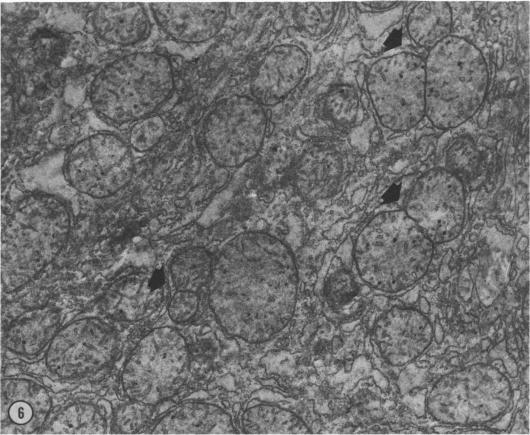
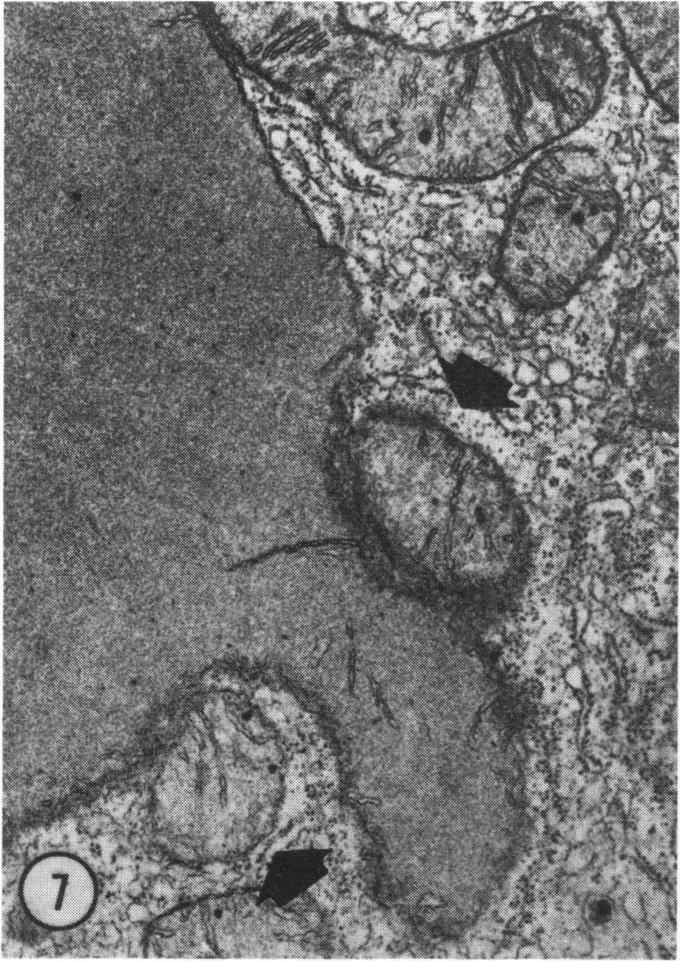
To study the morphologic and biochemical changes occuring in liver mitochondria during recovery from ethanol-induced injury, rats fed a 6-month high-alcohol regimen plus a nutritionally adequate diet which did not induce fatty liver were compared with isocalorically fed controls. After this period the alcohol-fed animals displayed striking ultrastructural changes of liver mitochondria and a decreased respiratory activity with succinate or malate-glutamate as substrate. On the contrary, the respiratory rate with I-glycerophosphate was 50% increased. Regression changes were studied after alcohol was withdrawn from the diet. Enlarged mitochondria rapidly disappeared (in 24 hours), although a few megamitochondria were still present after 8 days of abstinence. A similar recovery was observed for the functional alterations. At the end of the experimental period, only a slight decrease of the maximal respiratory rate using malate-glutamate as a substrate was noted. The ultrastructural findings and the morphometric data suggest that the way in which mitochondrial normalization takes place is based on partition of these organelles.
为研究乙醇诱导损伤恢复过程中肝脏线粒体发生的形态学和生化变化,将喂食6个月高酒精饮食加营养充足且不诱发脂肪肝的饮食的大鼠与等热量喂食的对照组进行比较。在此期间后,喂食酒精的动物肝脏线粒体出现显著的超微结构变化,以琥珀酸或苹果酸-谷氨酸为底物时呼吸活性降低。相反,以α-甘油磷酸为底物时呼吸速率增加了50%。在饮食中停止摄入酒精后研究回归变化。肿大的线粒体迅速消失(在24小时内),尽管戒酒8天后仍有一些巨型线粒体存在。功能改变也观察到了类似的恢复。在实验期结束时,仅注意到以苹果酸-谷氨酸为底物时最大呼吸速率略有下降。超微结构发现和形态计量数据表明,线粒体正常化发生的方式基于这些细胞器的分割。