Edwards K A, Halligan B D, Davis J L, Nivera N L, Liu L F
Nucleic Acids Res. 1982 Apr 24;10(8):2565-76. doi: 10.1093/nar/10.8.2565.
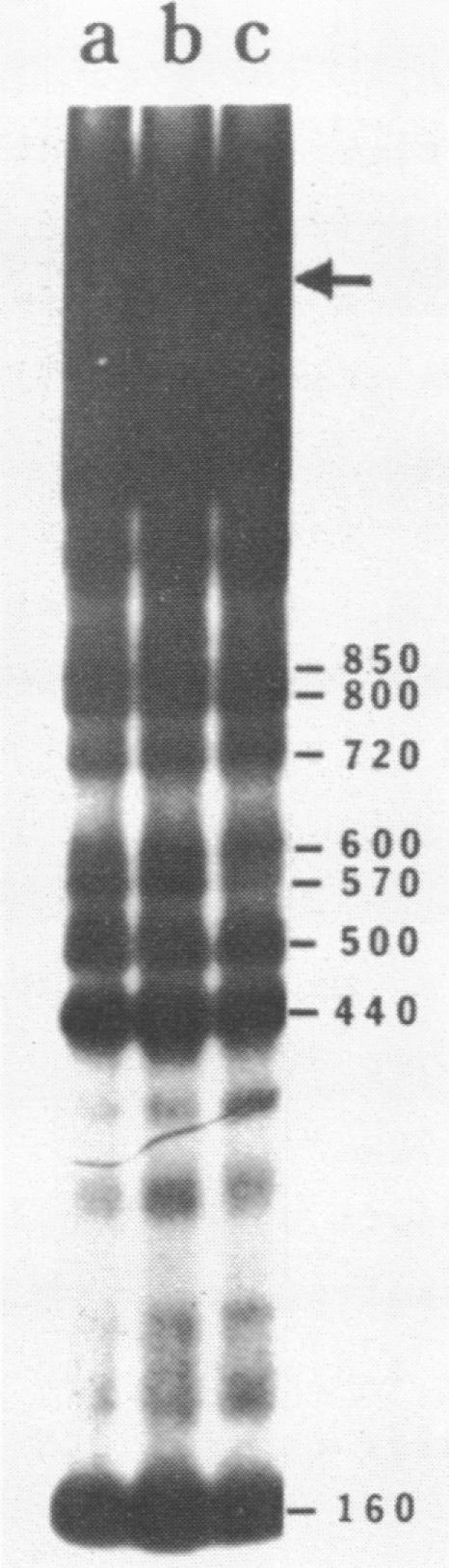
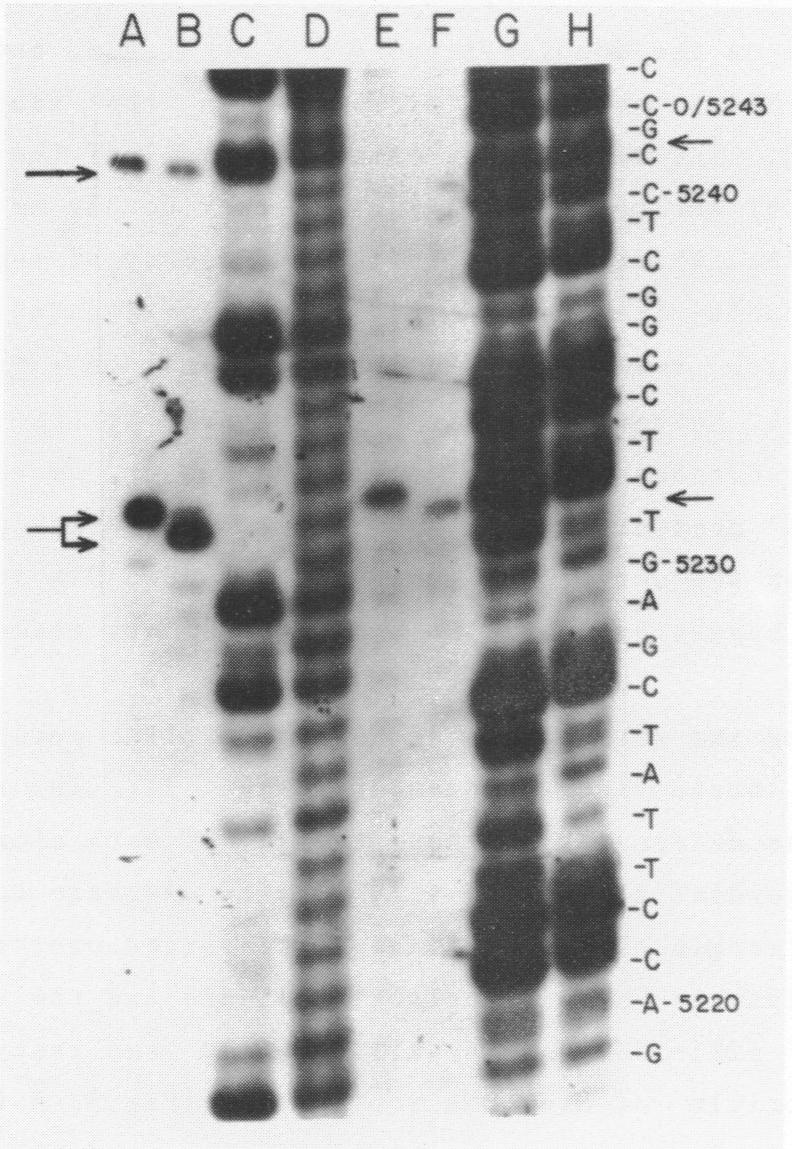
Eukaryotic DNA topoisomerase I introduces transient single-stranded breaks on double-stranded DNA and spontaneously breaks down single-stranded DNA. The cleavage sites on both single and double-stranded SV40 DNA have been determined by DNA sequencing. Consistent with other reports, the eukaryotic enzymes, in contrast to prokaryotic type I topoisomerases, links to the 3'-end of the cleaved DNA and generates a free 5'-hydroxyl end on the other half of the broken DNA strand. Both human and calf enzymes cleave SV40 DNA at the identical and specific sites. From 827 nucleotides sequenced, 68 cleavage sites were mapped. The majority of the cleavage sites were present on both double and single-stranded DNA at exactly the same nucleotide positions, suggesting that the DNA sequence is essential for enzyme recognition. By analyzing all the cleavage sequences, certain nucleotides are found to be less favored at the cleavage sites. There is a high probability to exclude G from positions -4, -2, -1 and +1, T from position -3, and A from position -1. These five positions (-4 to +1 oriented in the 5' to 3' direction) around the cleavage sites must interact intimately with topo I and thus are essential for enzyme recognition. One topo I cleavage site which shows atypical cleavage sequence maps in the middle of a palindromic sequence near the origin of SV40 DNA replication. It occurs only on single-stranded SV40 DNA, suggesting that the DNA hairpin can alter the cleavage specificity. The strongest cleavage site maps near the origin of SV40 DNA replication at nucleotide 31-32 and has a pentanucleotide sequence of 5'-TGACT-3'.
真核生物DNA拓扑异构酶I在双链DNA上引入瞬时单链断裂,并自发降解单链DNA。通过DNA测序确定了单链和双链SV40 DNA上的切割位点。与其他报告一致,与原核I型拓扑异构酶相比,真核酶与切割DNA的3'端相连,并在断裂DNA链的另一半上产生一个游离的5'-羟基末端。人和小牛的酶都在相同的特定位点切割SV40 DNA。在测序的827个核苷酸中,定位了68个切割位点。大多数切割位点在双链和单链DNA上的核苷酸位置完全相同,这表明DNA序列对于酶的识别至关重要。通过分析所有切割序列,发现某些核苷酸在切割位点不太受青睐。从位置-4、-2、-1和+1排除G、从位置-3排除T以及从位置-1排除A的可能性很高。切割位点周围的这五个位置(5'至3'方向上的-4至+1)必须与拓扑异构酶I密切相互作用,因此对于酶的识别至关重要。一个显示非典型切割序列的拓扑异构酶I切割位点位于SV40 DNA复制起点附近的回文序列中间。它仅出现在单链SV40 DNA上,这表明DNA发夹结构可以改变切割特异性。最强的切割位点位于SV40 DNA复制起点附近的核苷酸31-32处,其五核苷酸序列为5'-TGACT-3'。