Dark J H, Bain W H
Thorax. 1984 Dec;39(12):905-11. doi: 10.1136/thx.39.12.905.
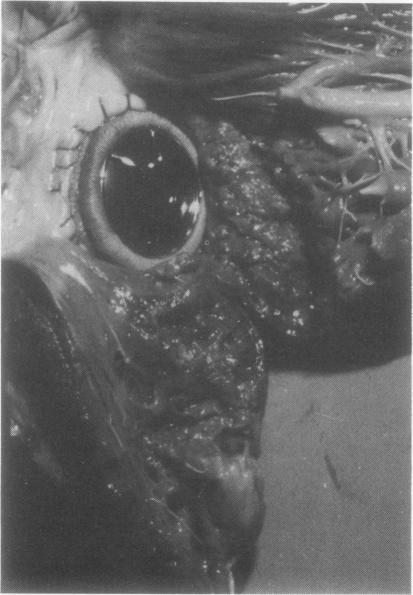
Possible aetiological factors, presentation, and management were reviewed in 18 patients with posterior left ventricular rupture complicating mitral valve replacement seen at one centre over six and a half years. The patients were elderly (mean age 57), predominantly women (16 of the 18), and suffering from mitral stenosis. Rupture was much more common after isolated replacement of the mitral valve (16 out of 797 operations) than after double valve replacement (one out 236) or mitral valve replacement and coronary artery bypass graft (one out of 70). A total of 1221 mitral valve replacements were performed over this period, with an overall incidence of rupture of 1.47%. Damage to the valve annulus occurred five times. On four occasions haemorrhage followed a vigorous response to a bolus dose of an inotrope. With the exception of these features, it was difficult to define specific risk factors. Eleven patients bled while still in theatre; one of them survived long term and another four lived for four to 10 days. Repair after restarting cardiopulmonary bypass made short term survival much more likely. In seven rupture developed after return to the intensive therapy unit; again only one survived long term. In nearly all cases bleeding was at, or just below, the atrioventricular groove. Rupture probably occurs after endocardial damage to a thin myocardium that has lost the internal buttress of the subvalvar apparatus. With the rise in intraventricular pressure at the end of bypass blood dissects into the myocardium, resulting in a large haematoma and eventual rupture.
在六年半的时间里,一家中心共收治了18例二尖瓣置换术后并发左心室后壁破裂的患者,对其可能的病因、临床表现及治疗方法进行了回顾性研究。这些患者年龄较大(平均年龄57岁),以女性为主(18例中有16例),且均患有二尖瓣狭窄。二尖瓣单独置换术后破裂更为常见(797例手术中有16例),而双瓣膜置换术后(236例中有1例)或二尖瓣置换加冠状动脉搭桥术后(70例中有1例)则较少见。在此期间共进行了1221例二尖瓣置换术,破裂的总体发生率为1.47%。瓣环损伤发生了5次。有4次是在静脉推注强心剂后出现强烈反应继而出血。除了这些特征外,很难确定具体的危险因素。11例患者在手术室时就发生了出血;其中1例长期存活,另外4例存活了4至10天。重新启动体外循环后进行修复使短期存活的可能性大大增加。7例在返回重症监护病房后发生破裂;同样只有1例长期存活。几乎在所有病例中,出血都发生在房室沟处或其稍下方。破裂可能发生在心肌变薄且失去瓣膜下装置内部支撑的内膜损伤之后。在体外循环结束时,随着心室内压升高,血液进入心肌,形成大血肿并最终导致破裂。