Helseth D L, Veis A
Proc Natl Acad Sci U S A. 1984 Jun;81(11):3302-6. doi: 10.1073/pnas.81.11.3302.
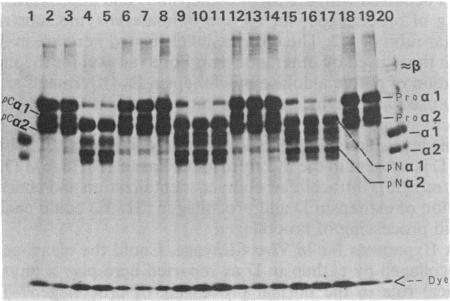
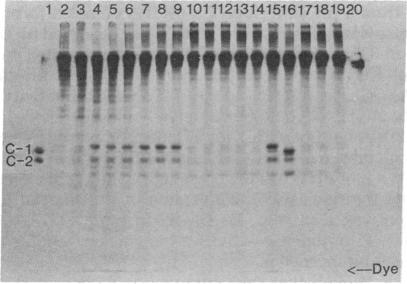
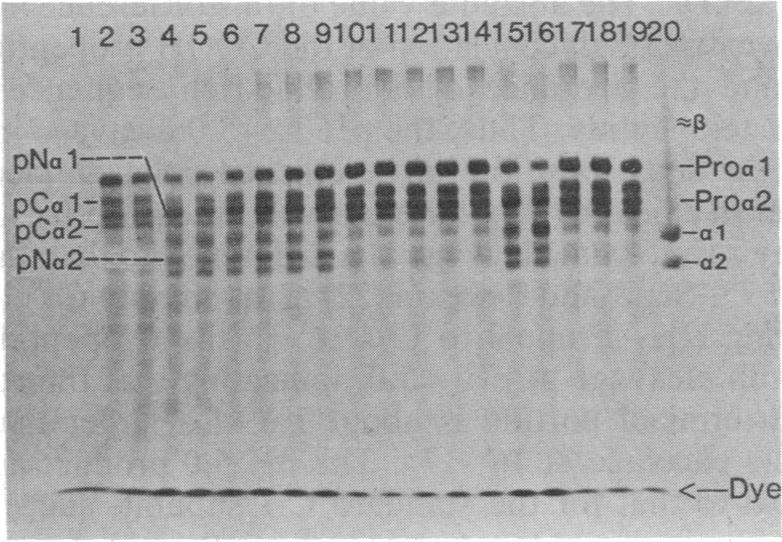
The proteolytic removal of the extension COOH-terminal propeptide from procollagen has been examined in vitro. A crude enzyme activity was identified in a whole-chicken-embryo extract that acted at acid pH and appeared to be similar to one identified previously [Davidson, J. M., McEneany , L. S. G. & Bornstein , P. (1979) Eur. J. Biochem. 100, 551-558]. This activity was inhibitable by pepstatin but not by leupeptin, suggesting that it might be cathepsin D. Cathepsin D was purified 907-fold from chicken livers by affinity chromatography on pepstatin-aminohexyl-Sepharose 4B and was found to remove the COOH propeptides from procollagen. At pH 6.0, the site of cleavage appeared to shift from the COOH telopeptide to the COOH telopeptide/propeptide junction, based upon the difference in electrophoretic migration of the cleavage products, although determining the actual cleavage site will require end-group analysis. A model for the involvement of cathepsin D in the in vivo processing of procollagen is presented.