Ganote C E, Sims M A
Am J Pathol. 1984 Jul;116(1):94-106.
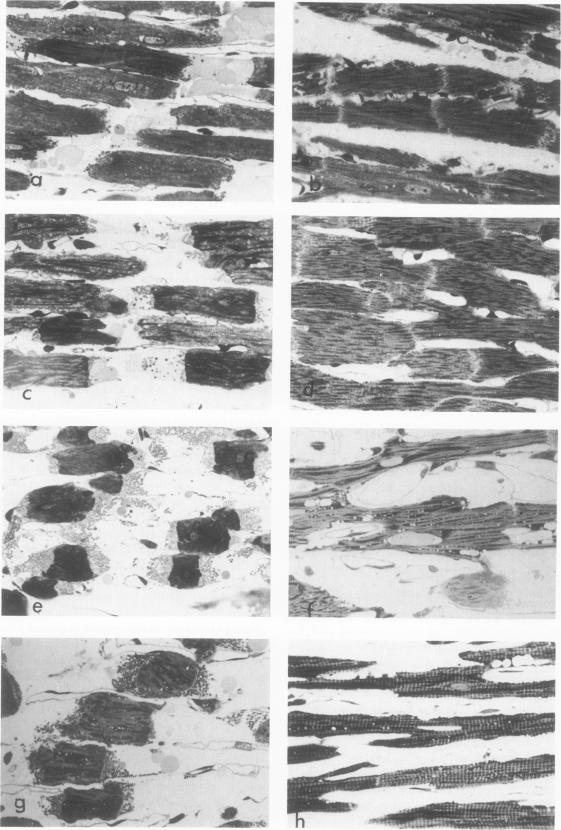
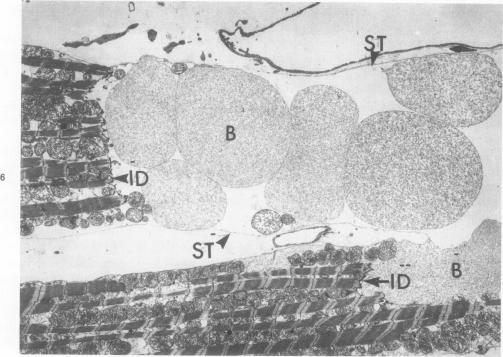
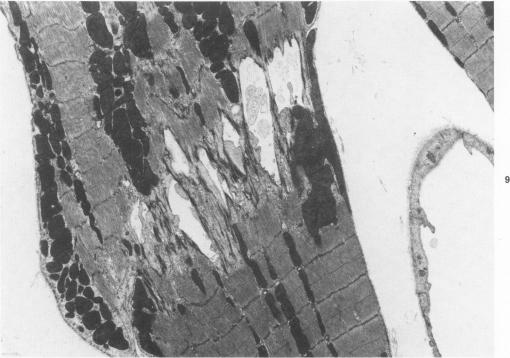
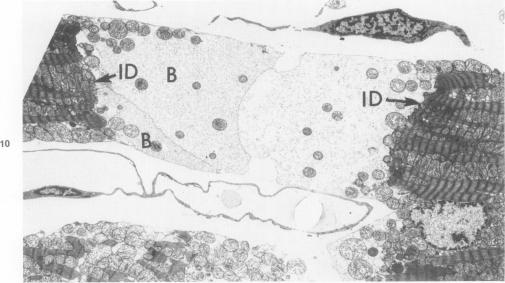
Hypothermia during calcium-free perfusion of hearts protects them from injury caused by subsequent calcium repletion at 37 C (calcium paradox). Injury to calcium-free hearts is also associated with contracture caused by anoxia, 2,4-dinitrophenol (DNP), or caffeine. This study was done for the purpose of determining whether hypothermia during calcium-free perfusions protects hearts from contracture-associated injury. Langendorff-perfused rat hearts were studied in four experimental groups: I) Anoxia: Thirty minutes of anoxic perfusion at 37 C was followed by thirty minutes of anoxic calcium-free perfusion at 37-18 C. II) Calcium paradox: Five minutes of calcium-free perfusion at 37-18 C was followed by calcium repletion at 37 C. III, IVa) Caffeine or DNP: Five minutes of calcium-free perfusion at 37-18 C was followed by addition of 10 mM caffeine or 1 mM DNP in calcium-free medium at 37 C or, IVb) 1 mM DNP in calcium-free medium at 22 C. Injury was assessed by measurement of serial releases of creatine kinase (CK) in effluents and by cellular morphology. The results show that progressive hypothermia to 22 C during calcium-free perfusion periods produced a progressive reduction of CK release and morphologic evidence of injury due to anoxia, caffeine, or DNP, which closely paralleled protection of hearts from the calcium paradox. Protection from injury in all experimental groups was associated with preservation of sarcolemmal membrane integrity and prevention of cell separations at intercalated disk junctions. It is proposed that weakening of intercalated disks occurs during calcium-free perfusions and may be a cause of mechanical fragility of the sarcolemma. Hypothermia may protect hearts from contracture-associated injury by preserving the integrity of intercalated disk junctions during periods of extracellular calcium depletion.
心脏无钙灌注期间的低温可保护其免受随后在37℃复钙所引起的损伤(钙反常)。无钙心脏的损伤也与缺氧、2,4-二硝基苯酚(DNP)或咖啡因所引起的挛缩有关。本研究旨在确定无钙灌注期间的低温是否能保护心脏免受与挛缩相关的损伤。对采用Langendorff灌流的大鼠心脏进行了四个实验组的研究:I)缺氧:在37℃进行30分钟的缺氧灌注,随后在37 - 18℃进行30分钟的无钙缺氧灌注。II)钙反常:在37 - 18℃进行5分钟的无钙灌注,随后在37℃复钙。III、IVa)咖啡因或DNP:在37 - 18℃进行5分钟的无钙灌注,随后在37℃于无钙培养基中加入10 mM咖啡因或1 mM DNP,或IVb)在22℃于无钙培养基中加入1 mM DNP。通过测量流出液中肌酸激酶(CK)的连续释放以及细胞形态来评估损伤。结果表明,在无钙灌注期间逐渐降温至22℃可使CK释放逐渐减少,且缺氧、咖啡因或DNP所致损伤的形态学证据也逐渐减少,这与心脏免受钙反常的保护密切平行。所有实验组中对损伤的保护均与肌膜完整性的保留以及防止闰盘连接处的细胞分离有关。有人提出,在无钙灌注期间闰盘会变弱,这可能是肌膜机械脆性的一个原因。低温可能通过在细胞外钙耗竭期间保留闰盘连接的完整性来保护心脏免受与挛缩相关的损伤。