Katoh N, Wise B C, Wrenn R W, Kuo J F
Biochem J. 1981 Jul 15;198(1):199-205. doi: 10.1042/bj1980199.
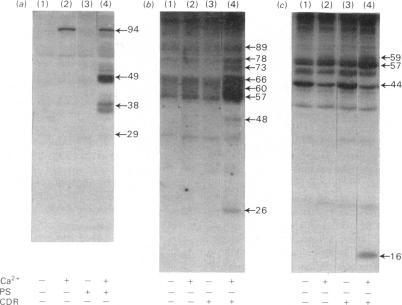
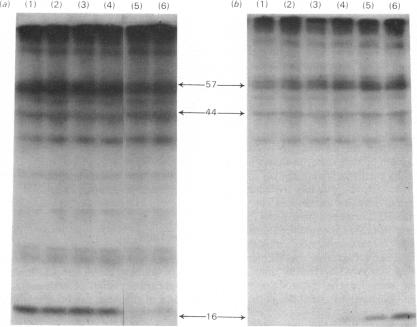
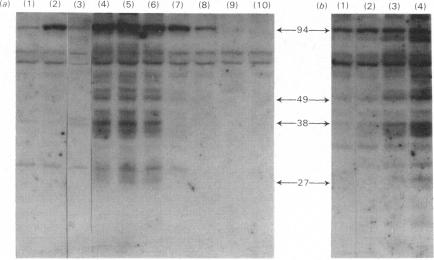
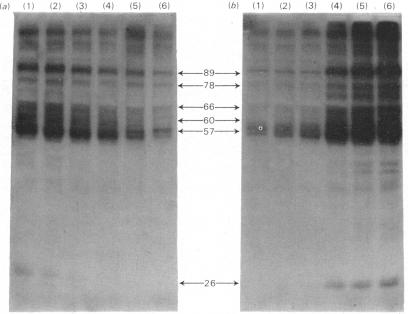
Adriamycin, a lipid-interacting anti-cancer agent, was found to inhibit phospholipid-sensitive Ca2+-dependent phosphorylation of endogenous proteins from the cytosol of the guinea-pig heart. The drug, unexpectedly, also inhibited phosphorylation of separate endogenous proteins in the cardiac cytosol and membranes catalysed by the calmodulin-sensitive species of Ca2+-dependent protein kinase. In both phosphorylation systems, the inhibition by adriamycin was reversed by either phospholipid (phosphatidylserine or cardiolipin) or calmodulin respectively. Adriamycin also inhibited phosphorylation of histone (exogenous protein) catalysed by purified cardiac phospholipid-sensitive Ca2+-dependent protein kinase, but not that by cyclic AMP-dependent and cyclic GMP-dependent protein kinases. It appears that Ca2+-dependent protein phosphorylation systems, regulated either by phospholipid or calmodulin, may represent hitherto unrecognized sites of action of adriamycin. It remains to be seen whether inhibition by adriamycin of these systems is related to the severe cardiotoxicity, the major adverse effect of the drug that limits its clinical usefulness.
阿霉素是一种能与脂质相互作用的抗癌药物,已发现它可抑制豚鼠心脏细胞质中内源性蛋白质的磷脂敏感性钙依赖性磷酸化。出乎意料的是,该药物还抑制了由钙调蛋白敏感性钙依赖性蛋白激酶催化的心脏细胞质和细胞膜中单独内源性蛋白质的磷酸化。在这两种磷酸化系统中,阿霉素的抑制作用分别被磷脂(磷脂酰丝氨酸或心磷脂)或钙调蛋白逆转。阿霉素还抑制了由纯化的心脏磷脂敏感性钙依赖性蛋白激酶催化的组蛋白(外源性蛋白质)的磷酸化,但不抑制由环磷酸腺苷依赖性和环磷酸鸟苷依赖性蛋白激酶催化的磷酸化。看来,由磷脂或钙调蛋白调节的钙依赖性蛋白磷酸化系统可能是阿霉素迄今未被认识的作用位点。阿霉素对这些系统的抑制作用是否与该药物的严重心脏毒性(限制其临床应用的主要不良反应)有关,仍有待观察。