Bokkenheuser V D, Winter J, O'Rourke S, Ritchie A E
Appl Environ Microbiol. 1980 Oct;40(4):803-8. doi: 10.1128/aem.40.4.803-808.1980.
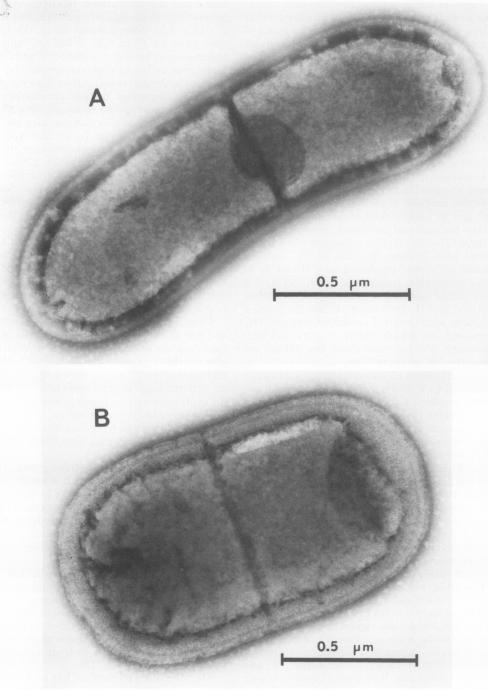
For more than a decade it has been known that the fecal flora of humans and rats includes organisms capable of 16 alpha-dehydroxylating corticoids, but their identity has remained unknown. To isolate these organisms, Mueller-Hinton agar plates were seeded with fresh feces from Proteus-free rats and incubated anaerobically. On an average, 1 of every 35 colonies consisted of organisms synthesizing 16 alpha-dehydroxylase. Isolation of the individual colonies yielded two obligate anerobes, strains 144 and 146, which elaborated the enzyme. The steroid transformation could be attained by the microbial culture alone in prereduced media or in aerobic media in the presence of Escherichia coli. Although both strains were phenotypically similar to Eubacterium lentum, they differed between themselves in their enzymatic equipment.
十多年来,人们已经知道人和大鼠的粪便菌群中含有能够对皮质类固醇进行16α-脱羟基化的微生物,但它们的身份一直不明。为了分离这些微生物,将来自无变形杆菌大鼠的新鲜粪便接种到穆勒-欣顿琼脂平板上,并进行厌氧培养。平均每35个菌落中有1个菌落由合成16α-脱羟基酶的微生物组成。对单个菌落进行分离得到了两种专性厌氧菌,即144株和146株,它们都能产生这种酶。仅通过微生物培养,在预还原培养基中或在有氧培养基中存在大肠杆菌的情况下,都可以实现类固醇转化。尽管这两种菌株在表型上与迟缓真杆菌相似,但它们在酶系方面彼此不同。