Fermin C D, Degraw S
Department of Pathology and Laboratory Medicine, Tulane University School of Medicine, New Orleans, LA 70112-2699, USA.
J Anat. 1995 Jun;186 ( Pt 3)(Pt 3):469-81.
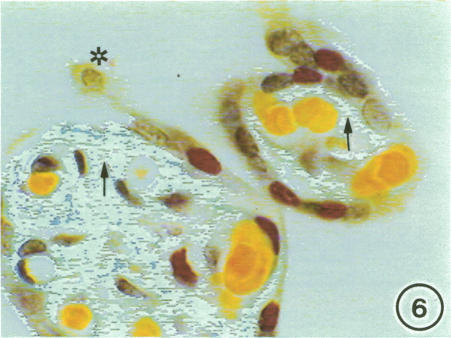
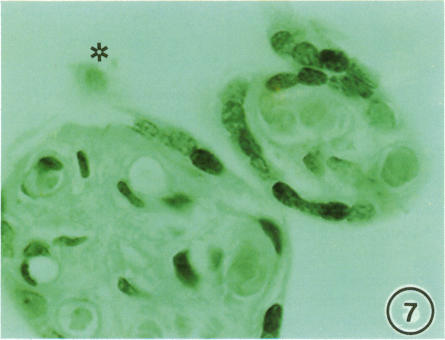
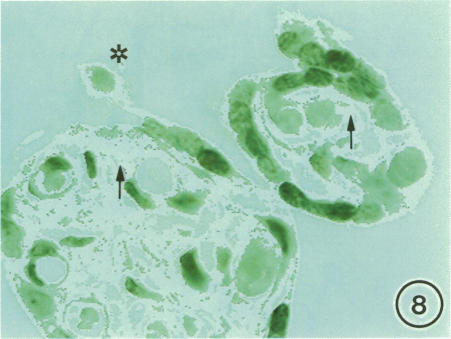
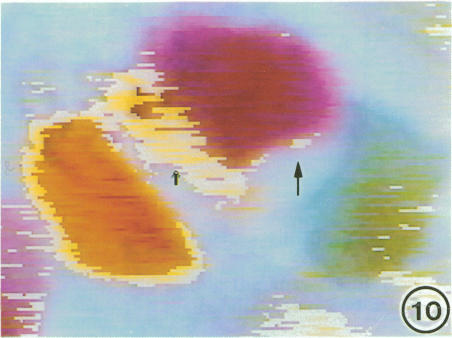
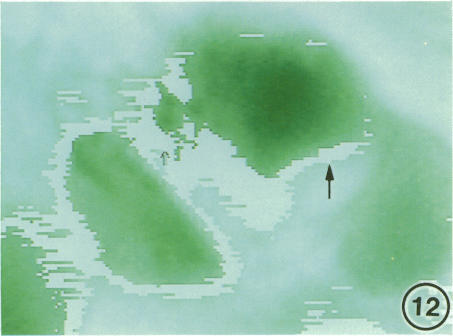
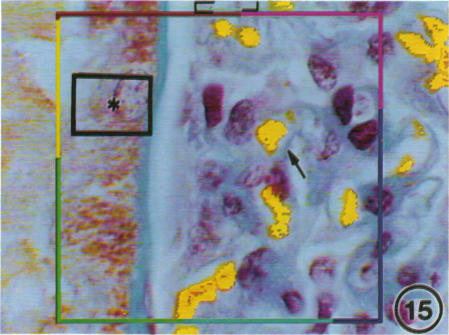
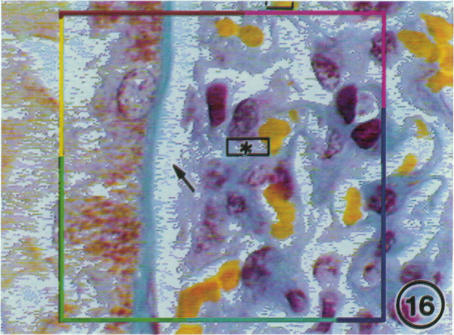
The basic aspects of video imaging are reviewed as they relate to measurements of histological and anatomical features, with particular emphasis on the advantages and disadvantages of colour and black-and-white imaging modes. In black-and-white imaging, calculations are based on the manipulation of picture elements (pixels) that contain 0-255 levels of information. Black is represented by the absence of light (0) and white by 255 grades of light. In colour imaging, the pixels contain variation of hues for the primary (red, green and blue) and secondary (magenta, yellow, cyan, pink) colours. Manipulation of pixels with colour information is more computer intense than that for black-and-white pixels, because there are over 16 million possible combinations of colour in a system with a 24-bit resolution. The narrow 128 possible grades of separation in black and white often makes distinction between pixels with overlapping intensities difficult. Such difficulty is greatly reduced by colour thresholding of systems that base the representation of colour on a combination of hue-saturation-intensity (HSI) format.
本文回顾了视频成像的基本方面,这些方面与组织学和解剖学特征的测量相关,特别强调了彩色和黑白成像模式的优缺点。在黑白成像中,计算基于对包含0至255级信息的图像元素(像素)的处理。黑色由无光(0)表示,白色由255级光表示。在彩色成像中,像素包含原色(红色、绿色和蓝色)和二次色(品红色、黄色、青色、粉色)的色调变化。处理带有颜色信息的像素比处理黑白像素对计算机的要求更高,因为在具有24位分辨率的系统中,颜色有超过1600万种可能的组合。黑白成像中仅128种可能的分级常常使得区分强度重叠的像素变得困难。通过基于色调-饱和度-强度(HSI)格式组合来表示颜色的系统进行颜色阈值处理,这种困难会大大降低。