Kashyap V S, Santamarina-Fojo S, Brown D R, Parrott C L, Applebaum-Bowden D, Meyn S, Talley G, Paigen B, Maeda N, Brewer H B
National Insitutes of Health, National Heart, Lung, and Blood Institute, Bethesda, Maryland 20892, USA.
J Clin Invest. 1995 Sep;96(3):1612-20. doi: 10.1172/JCI118200.
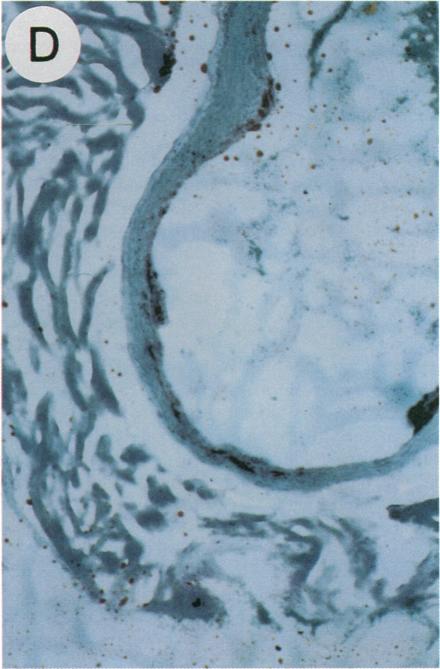
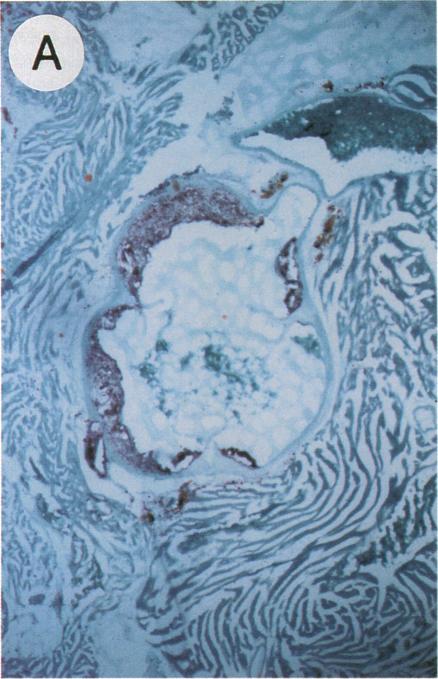
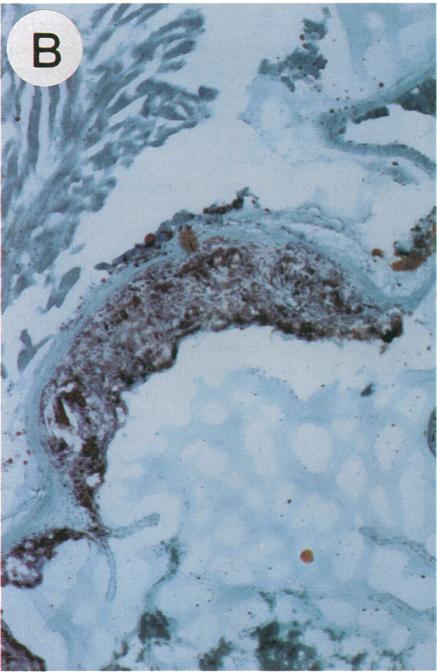
Apolipoprotein E (apoE)-deficient mice develop marked hyperlipidemia as well as atherosclerosis and thus are an excellent animal model for evaluating the potential for gene therapy in human genetic dyslipoproteinemias. Recombinant adenovirus containing either human apoE (rAdv.apoE) or the reporter gene luciferase (rAdv.luc) were generated and infused intravenously in apoE-deficient mice with preinfusion plasma total cholesterol of 644 +/- 149 mg/dl an cholesterol rich VLDL/IDL. After a single infusion of rAdv.apoE, plasma concentrations of human apoE ranging from 1.5 to 650 mg/dl were achieved. Adenovirus-mediated apoE replacement resulted in normalization of the lipid and lipoprotein profile with markedly decreased total cholesterol (103 +/- 18mg/dl), VLDL, IDL, and LDL, as well as increased HDL. Measurement of aortic atherosclerosis 1 mo after adenoviral infusion demonstrated a marked reduction in the mean lesion area of mice infused with rAdv.apoE (58 +/- 8 x 10(3) microns2) when compared with control mice infused with rAdv.luc (161 +/- 10 x 10(3) microns2; P < 0.0001). Thus, apoE expression for 4 wk was sufficient to markedly reduce atherosclerosis, demonstrating the feasibility of gene therapy for correction of genetic hyperlipidemias resulting in atherosclerosis. The combined use of adenovirus vectors and the apoE-deficient mouse represents a new in vivo approach that will permit rapid screening of candidate genes for the prevention of atherosclerosis.
载脂蛋白E(apoE)基因缺陷小鼠会出现明显的高脂血症以及动脉粥样硬化,因此是评估人类遗传性脂蛋白异常血症基因治疗潜力的优秀动物模型。构建了含有人类apoE(rAdv.apoE)或报告基因荧光素酶(rAdv.luc)的重组腺病毒,并将其静脉注射到apoE基因缺陷小鼠体内,这些小鼠输注前血浆总胆固醇为644±149mg/dl,富含胆固醇的极低密度脂蛋白/中间密度脂蛋白(VLDL/IDL)。单次输注rAdv.apoE后,人类apoE的血浆浓度达到1.5至650mg/dl。腺病毒介导的apoE替代使脂质和脂蛋白谱正常化,总胆固醇(103±18mg/dl)、VLDL、IDL和低密度脂蛋白(LDL)显著降低,高密度脂蛋白(HDL)增加。腺病毒输注1个月后对主动脉粥样硬化进行测量,结果显示,与输注rAdv.luc的对照小鼠(161±10×10(3)平方微米;P<0.0001)相比,输注rAdv.apoE的小鼠平均病变面积显著减小(58±8×10(3)平方微米)。因此,apoE表达4周足以显著减轻动脉粥样硬化,证明了基因治疗纠正导致动脉粥样硬化的遗传性高脂血症的可行性。腺病毒载体与apoE基因缺陷小鼠的联合使用代表了一种新的体内方法,将允许快速筛选预防动脉粥样硬化的候选基因。