Chow C W, Clark M P, Rinaldo J E, Chalkley R
Department of Molecular Physiology and Biophysics, School of Medicine, Vanderbilt University, Nashville, TN 37232, USA.
Nucleic Acids Res. 1995 Aug 25;23(16):3132-40. doi: 10.1093/nar/23.16.3132.
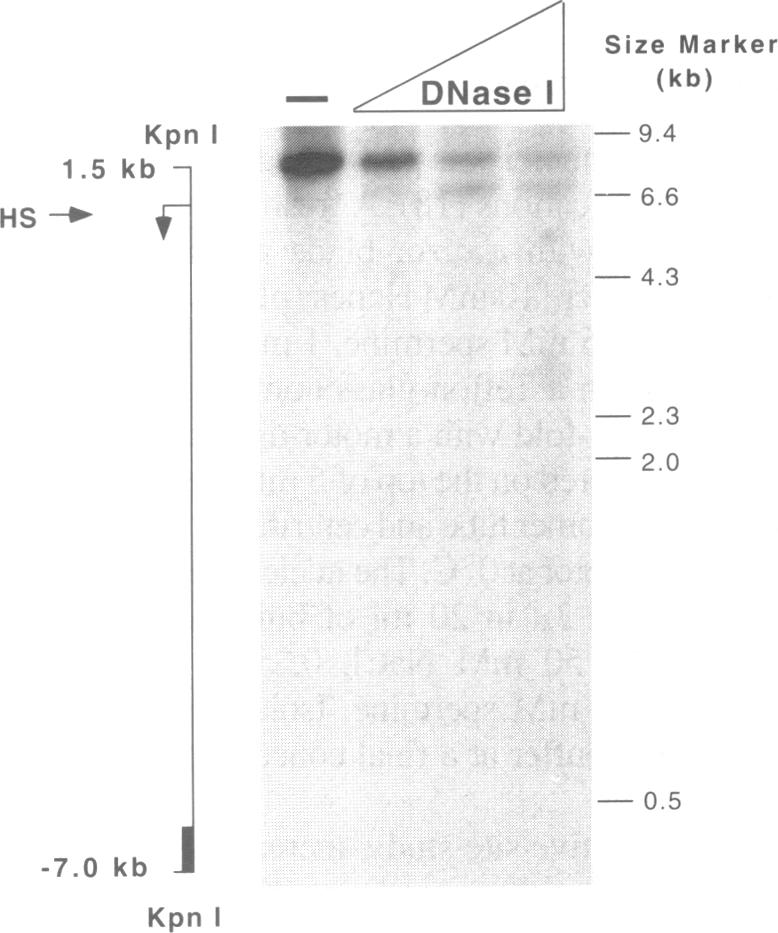
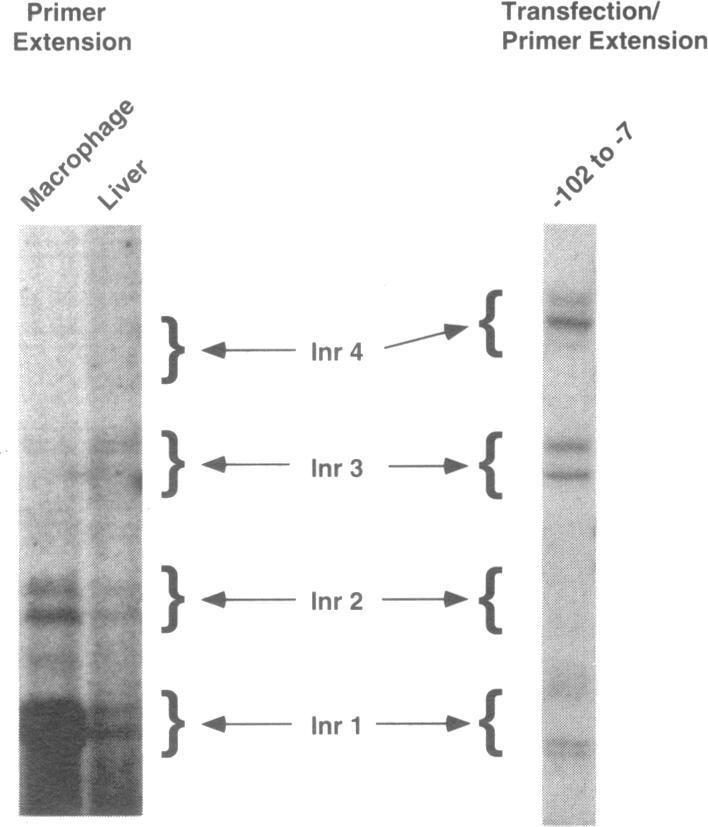
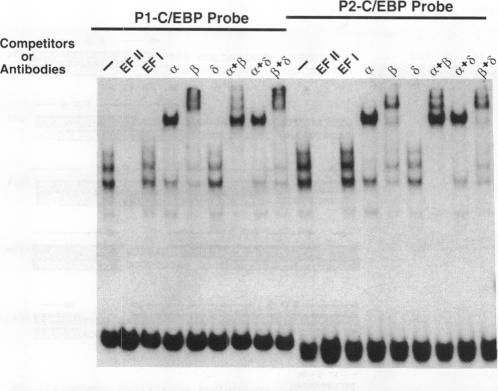
In the present study, we have explored further the organization of the TATA-less rat xanthine dehydrogenase/oxidase gene (XDH/XO). A DNase I hypersensitive site has been identified which it colocalizes with the basal promoter reported previously [Chow et al. (1994) Nucleic Acids Res., 22, 1846-1854]. Gel mobility shift assays indicate the presence of multiple binding factors located in the promoter. At least six footprints were detected of which two have been shown to be C/EBP binding sites. Members of the C/EBP-alpha and C/EBP-beta, but not C/EBP-delta, family are able to bind to these two sites. Deletional and mutational studies revealed that C/EBP binding is not essential for the basal level of transcription initiation of this promoter. Much of the transcriptional activity resides in the -102 to -7 DNA fragment, which contains all initiator activity which acts unidirectionally. Within this fragment, four putative initiator elements could be identified; interestingly, the linear integrity of these initiators is important for efficient transcription of the XDH/XO gene. Separation of the initiators leads to a complete loss of transcription activity; however, this loss could be partially restored by the introduction of an Sp1 binding site upstream of the separated initiators. Despite a difference in usage/frequency of initiation at the various initiators, primer extension analyses reveal similar positions for transcription initiations in both XDH/XO reporter constructs and in the endogenous XDH/XO gene. The differential usage of initiators may imply a possible post-transcriptional regulation for the XDH/XO gene.
在本研究中,我们进一步探究了无TATA盒的大鼠黄嘌呤脱氢酶/氧化酶基因(XDH/XO)的组织情况。已鉴定出一个DNase I超敏位点,它与先前报道的基础启动子共定位[Chow等人(1994年),《核酸研究》,22,1846 - 1854]。凝胶迁移率变动分析表明启动子中存在多种结合因子。检测到至少六个足迹,其中两个已被证明是C/EBP结合位点。C/EBP-α和C/EBP-β家族成员,但不是C/EBP-δ家族成员,能够结合这两个位点。缺失和突变研究表明,C/EBP结合对于该启动子转录起始的基础水平并非必需。大部分转录活性存在于 - 102至 - 7的DNA片段中,该片段包含所有单向起作用的起始子活性。在这个片段内,可以鉴定出四个假定的起始子元件;有趣的是,这些起始子的线性完整性对于XDH/XO基因的有效转录很重要。起始子的分离导致转录活性完全丧失;然而,通过在分离的起始子上游引入一个Sp1结合位点,这种丧失可以部分恢复。尽管在各个起始子处起始的使用/频率存在差异,但引物延伸分析揭示了XDH/XO报告基因构建体和内源性XDH/XO基因中转录起始的类似位置。起始子的差异使用可能意味着XDH/XO基因存在一种可能的转录后调控。