During M J, Naegele J R, O'Malley K L, Geller A I
Department of Surgery, Yale University School of Medicine, New Haven, CT 06510.
Science. 1994 Nov 25;266(5189):1399-403. doi: 10.1126/science.266.5189.1399.
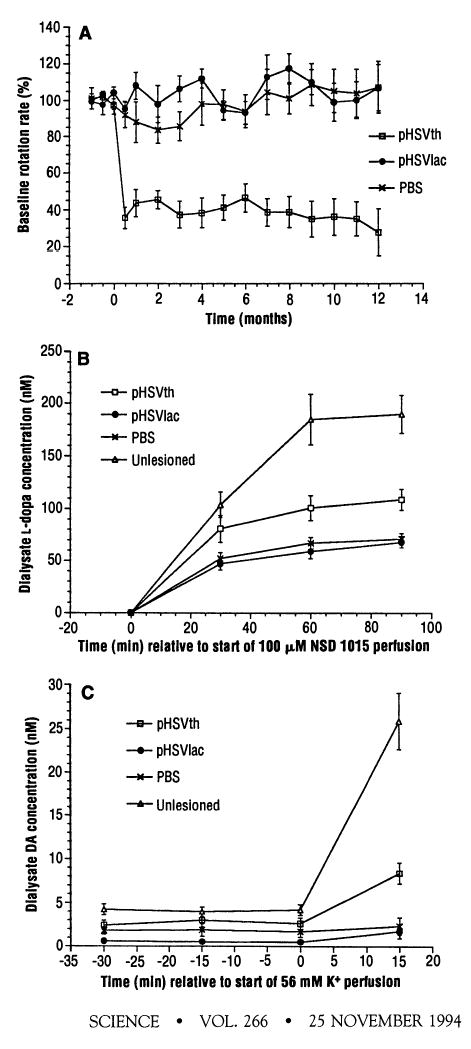
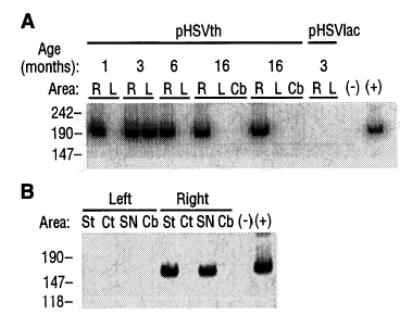
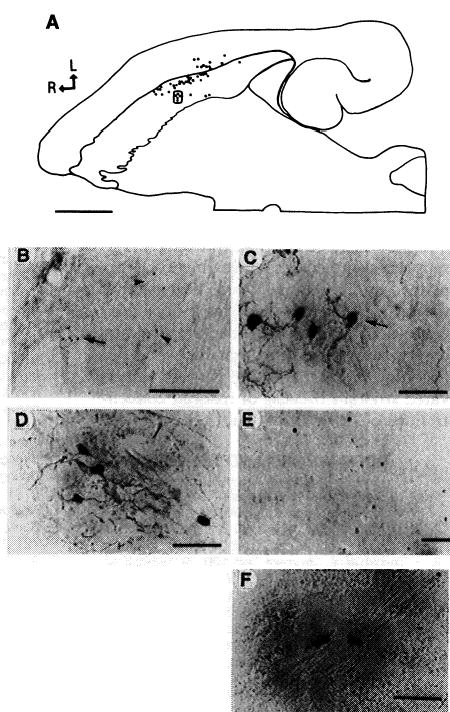
One therapeutic approach to treating Parkinson's disease is to convert endogenous striatal cells into levo-3,4-dihydroxyphenylalanine (L-dopa)-producing cells. A defective herpes simplex virus type 1 vector expressing human tyrosine hydroxylase was delivered into the partially denervated striatum of 6-hydroxydopamine-lesioned rats, used as a model of Parkinson's disease. Efficient behavioral and biochemical recovery was maintained for 1 year after gene transfer. Biochemical recovery included increases in both striatal tyrosine hydroxylase enzyme activity and in extracellular dopamine concentrations. Persistence of human tyrosine hydroxylase was revealed by expression of RNA and immunoreactivity.
一种治疗帕金森病的方法是将内源性纹状体细胞转化为产生左旋3,4 - 二羟基苯丙氨酸(L - 多巴)的细胞。一种表达人酪氨酸羟化酶的缺陷型单纯疱疹病毒1型载体被导入6 - 羟基多巴胺损伤大鼠的部分去神经纹状体,该大鼠用作帕金森病模型。基因转移后1年内行为和生化方面均保持有效恢复。生化恢复包括纹状体酪氨酸羟化酶酶活性和细胞外多巴胺浓度的增加。通过RNA表达和免疫反应性揭示了人酪氨酸羟化酶的持续性。