Fitz J G, Basavappa S, McGill J, Melhus O, Cohn J A
Duke University and Veterans Administration Medical Center, Durham, NC 27710.
J Clin Invest. 1993 Jan;91(1):319-28. doi: 10.1172/JCI116188.
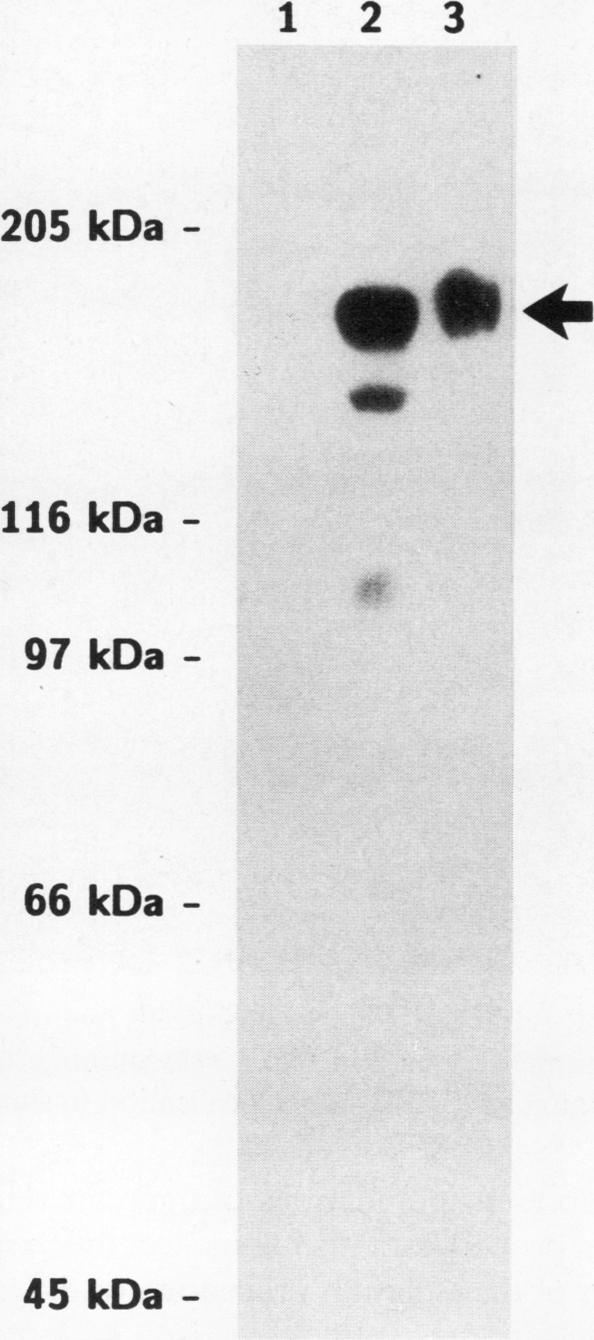
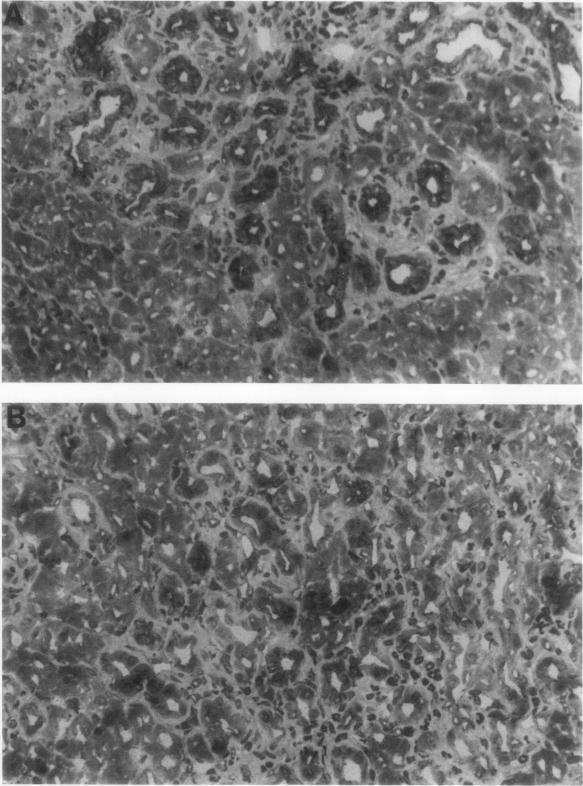
This study examines the conductive properties of the plasma membrane of cells isolated from the intrahepatic portion of bile ducts. Membrane Cl- conductance was measured in single cells using whole-cell patch clamp recording techniques and in cells in short-term culture using 36Cl and 125I efflux. Separate Ca(2+)- and cAMP-dependent Cl- currents were identified. Ca(2+)-dependent Cl- currents showed outward rectification of the current-voltage relation, time-dependent activation at depolarizing potentials, and reversal near the equilibrium potential for Cl-. Ionomycin (2 microM) increased this current from 357 +/- 72 pA to 1,192 +/- 414 pA (at +80 mV) in 5:7 cells, and stimulated efflux of 125I > 36Cl in 15:15 studies. Ionomycin-stimulated efflux was inhibited by the Cl- channel blocker 4,4'-diisothiocyano-2,2'-stilbene disulfonic acid (DIDS) (150 microM). A separate cAMP-activated Cl- current showed linear current-voltage relations and no time dependence. Forskolin (10 microM) or cpt-cAMP (500 microM) increased this current from 189 +/- 50 pA to 784 +/- 196 pA (at +80 mV) in 11:16 cells, and stimulated efflux of 36Cl > 125I in 16:16 studies. cAMP-stimulated efflux was unaffected by DIDS. Because the cAMP-stimulated Cl- conductance resembles that associated with cystic fibrosis transmembrane conductance regulator (CFTR), a putative Cl- channel protein, the presence of CFTR in rat liver was examined by immunoblot analyses. CFTR was detected as a 150-165-kD protein in specimens with increased numbers of duct cells. Immunoperoxidase staining confirmed localization of CFTR to bile duct cells but not hepatocytes. These findings suggest that Ca(2+)- and cAMP-regulated Cl- channels may participate in control of fluid and electrolyte secretion by intrahepatic bile duct epithelial cells, and that the cAMP-regulated conductance is associated with endogenous expression of CFTR. Abnormal ductular secretion may contribute to the pathogenesis of cholestatic liver disease in cystic fibrosis.
本研究检测了从肝内胆管分离的细胞的质膜的导电特性。使用全细胞膜片钳记录技术在单细胞中测量膜氯离子电导率,并在短期培养的细胞中使用³⁶Cl和¹²⁵I外流进行测量。识别出了独立的钙(Ca²⁺)和环磷酸腺苷(cAMP)依赖性氯离子电流。钙依赖性氯离子电流在电流 - 电压关系中表现出外向整流,在去极化电位下具有时间依赖性激活,并且在氯离子平衡电位附近反转。离子霉素(2微摩尔)使5:7细胞中的该电流从357±72皮安增加到1192±414皮安(在+80毫伏时),并且在15:15的研究中刺激¹²⁵I的外流大于³⁶Cl。离子霉素刺激的外流被氯离子通道阻滞剂4,4'-二异硫氰基 - 2,2'-芪二磺酸(DIDS)(150微摩尔)抑制。另一种cAMP激活的氯离子电流表现出线性电流 - 电压关系且无时间依赖性。福斯可林(10微摩尔)或cpt - cAMP(500微摩尔)使11:16细胞中的该电流从189±50皮安增加到784±196皮安(在+80毫伏时),并且在16:16的研究中刺激³⁶Cl的外流大于¹²⁵I。cAMP刺激的外流不受DIDS影响。由于cAMP刺激的氯离子电导率类似于与囊性纤维化跨膜传导调节因子(CFTR)(一种假定的氯离子通道蛋白)相关的电导率,因此通过免疫印迹分析检测大鼠肝脏中CFTR的存在。在胆管细胞数量增加的标本中检测到CFTR为一种150 - 165千道尔顿的蛋白质。免疫过氧化物酶染色证实CFTR定位于胆管细胞而非肝细胞。这些发现表明,钙和cAMP调节的氯离子通道可能参与肝内胆管上皮细胞对液体和电解质分泌的控制,并且cAMP调节的电导率与CFTR的内源性表达相关。异常的胆管分泌可能导致囊性纤维化中胆汁淤积性肝病的发病机制。