Yuzawa Y, Brett J, Fukatsu A, Matsuo S, Caldwell P R, Niesen N, Milgrom F, Godman G, Stern D, Andres G
Department of Microbiology, State University of New York at Buffalo.
Am J Pathol. 1995 May;146(5):1260-72.
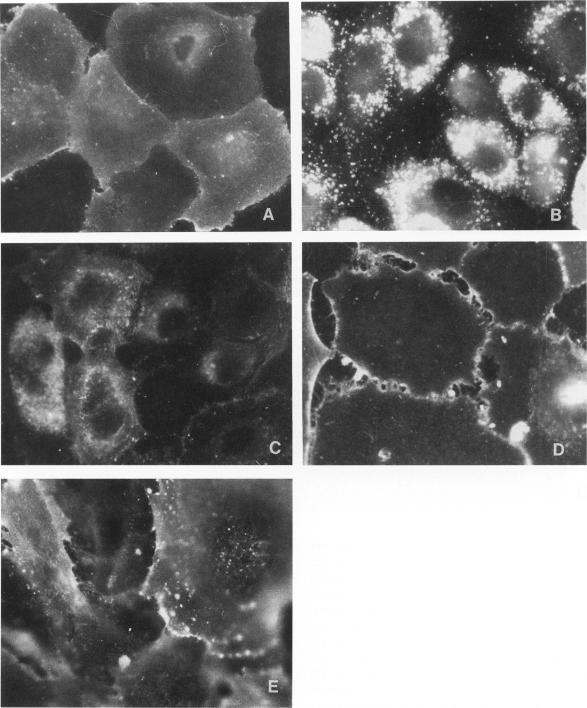
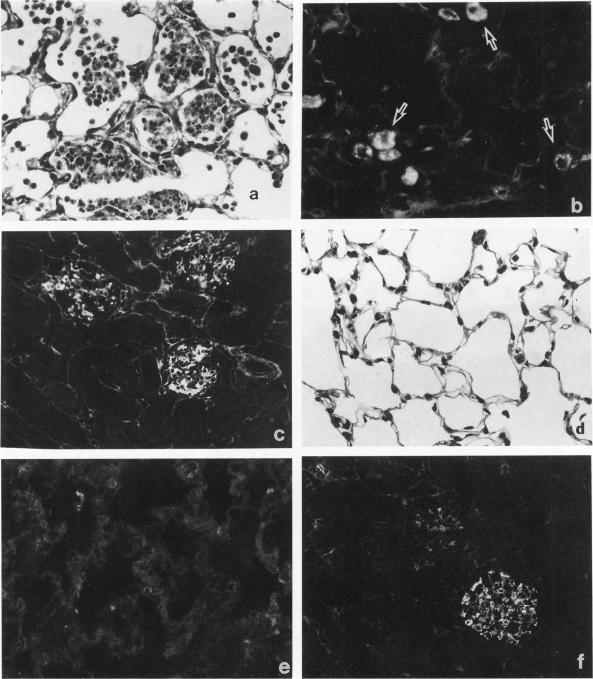
Forssman antigen is a glycosphingolipid with antigenic specificity determined by extra-membrane haptenic sugars similar to blood group antigens and antigens that are the main barrier to xenogeneic organ transplantation. Herein, we describe the localization of Forssman antigen in guinea pig lungs and kidneys and the consequences of its interaction with antibodies in vitro and in vivo (Forssman reaction). Exposure of cultured guinea pig aortic endothelial cells to Forssman antibodies induced rapid redistribution of antigen-antibody complexes at the cell surface, followed by shedding that occurred by blebbing of plasma membrane as vesicles or fragments, and was associated with disappearance of antigen from the cell surface (antigenic modulation). Guinea pigs surviving frequent intravenous infections of increasing amounts of antibodies, for a total of 20 to 40 lethal doses, developed a partial or complete adaptation to generalized Forssman reaction, and adaptation was associated with partial or complete modulation of Forssman antigen at the surface of the pulmonary and, in minor degree, renal endothelial and epithelial cells. These findings support the hypothesis that modulation of endothelial carbohydrate antigens contributes to adaptation of highly vascularized organs exposed to tolerable levels of allo- or xenoantibodies.
福斯曼抗原是一种糖鞘脂,其抗原特异性由类似于血型抗原的膜外半抗原糖以及作为异种器官移植主要障碍的抗原决定。在此,我们描述了福斯曼抗原在豚鼠肺和肾中的定位及其在体外和体内与抗体相互作用的后果(福斯曼反应)。将培养的豚鼠主动脉内皮细胞暴露于福斯曼抗体后,抗原 - 抗体复合物在细胞表面迅速重新分布,随后通过质膜形成小泡或片段的方式脱落,这与细胞表面抗原的消失(抗原调节)相关。在频繁静脉注射递增剂量抗体(总计20至40个致死剂量)后存活的豚鼠,对全身性福斯曼反应产生了部分或完全适应,这种适应与肺表面以及程度较轻的肾内皮和上皮细胞表面福斯曼抗原的部分或完全调节有关。这些发现支持了这样一种假说,即内皮碳水化合物抗原的调节有助于高度血管化器官适应可耐受水平的同种或异种抗体。