Ismail S M
Department of Pathology, University of Wales College of Medicine, Heath Park, Cardiff.
J Clin Pathol. 1994 Sep;47(9):827-33. doi: 10.1136/jcp.47.9.827.
To determine the type of endometrial abnormalities associated with prolonged tamoxifen treatment and to investigate the correlation between tamoxifen dose and any abnormalities detected.
Endometria from 19 prospectively collected breast cancer patients treated with tamoxifen were ascribed a pathological diagnosis and the findings compared with those in a control group matched for age and presentation. The abnormalities were related to cumulative tamoxifen dose.
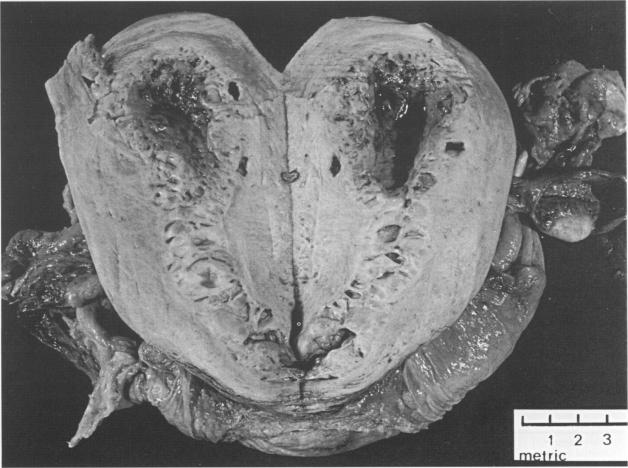
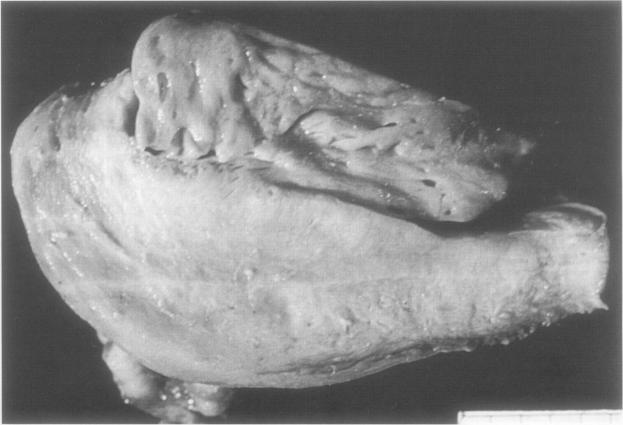
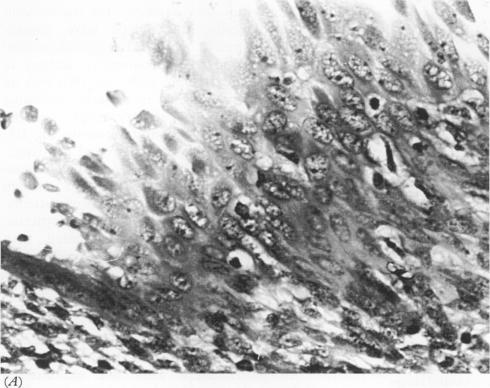
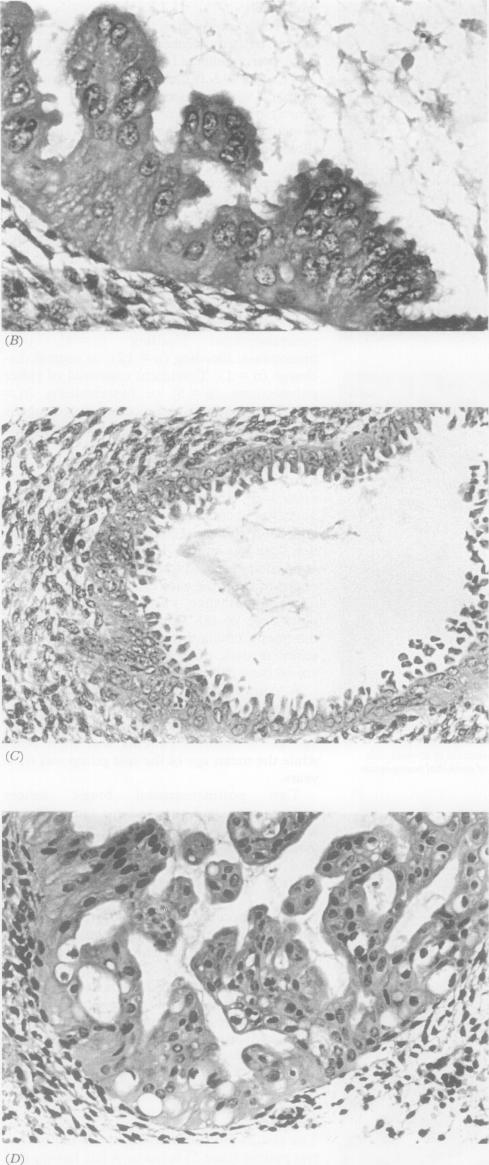
The two asymptomatic treated patients had generalised simple endometrial hyperplasia at necropsy. No endometrial abnormalities were seen at necropsy in the two control cases. Of the 17 patients treated with tamoxifen who underwent surgery for gynaecological symptoms, 11 had hyperplastic endometrial polyps characterised by epithelial metaplasias and patchy periglandular condensation of stroma. Two women had primary endometrial malignancies with myometrial invasion, and three women, one of whom had previously presented with a benign polyp, had an endometrial polyp-cancer on a background of hyperplasia. Endometrial malignancies were confined to women who had taken more than 35 g of tamoxifen. The control group included no endometrial polyp-cancers, only one patient with an endometrial polyp, four women with endometrial hyperplasia and four with primary endometrial malignancy.
These findings support a link between prolonged tamoxifen treatment and endometrial malignancy and identify a subgroup of patients--that is, those who have taken more than 35 g of tamoxifen, who may be at increased risk of endometrial cancer. The spectrum of pathological findings in patients treated with tamoxifen suggests that the drug promotes endometrial growth and that endometrial polyps may be an important intermediate step in endometrial carcinogenesis.
确定与他莫昔芬长期治疗相关的子宫内膜异常类型,并研究他莫昔芬剂量与所检测到的任何异常之间的相关性。
对19例前瞻性收集的接受他莫昔芬治疗的乳腺癌患者的子宫内膜进行病理诊断,并将结果与年龄和临床表现相匹配的对照组进行比较。这些异常与他莫昔芬的累积剂量相关。
两名无症状的接受治疗患者在尸检时出现广泛性单纯性子宫内膜增生。两名对照病例在尸检时未发现子宫内膜异常。在17例因妇科症状接受手术治疗的他莫昔芬治疗患者中,11例有增生性子宫内膜息肉,其特征为上皮化生和间质灶性腺周浓缩。两名女性患有原发性子宫内膜恶性肿瘤并侵犯肌层,三名女性(其中一名曾患有良性息肉)在增生背景下患有子宫内膜息肉样癌。子宫内膜恶性肿瘤仅限于服用他莫昔芬超过35克的女性。对照组中没有子宫内膜息肉样癌,只有一名患者有子宫内膜息肉,四名女性有子宫内膜增生,四名有原发性子宫内膜恶性肿瘤。
这些发现支持了他莫昔芬长期治疗与子宫内膜恶性肿瘤之间的联系,并确定了一组患者——即服用他莫昔芬超过35克的患者,他们可能患子宫内膜癌的风险增加。他莫昔芬治疗患者的病理结果谱表明,该药物促进子宫内膜生长,子宫内膜息肉可能是子宫内膜癌发生的一个重要中间步骤。