• 文献检索
  • 文档翻译
  • 深度研究
  • 学术资讯
  • Suppr Zotero 插件Zotero 插件
  • 邀请有礼
  • 套餐&价格
  • 历史记录
应用&插件
Suppr Zotero 插件Zotero 插件浏览器插件Mac 客户端Windows 客户端微信小程序
定价
高级版会员购买积分包购买API积分包
服务
文献检索文档翻译深度研究API 文档MCP 服务
关于我们
关于 Suppr公司介绍联系我们用户协议隐私条款
关注我们

Suppr 超能文献

核心技术专利:CN118964589B侵权必究
粤ICP备2023148730 号-1Suppr @ 2026

文献检索

告别复杂PubMed语法,用中文像聊天一样搜索,搜遍4000万医学文献。AI智能推荐,让科研检索更轻松。

立即免费搜索

文件翻译

保留排版,准确专业,支持PDF/Word/PPT等文件格式,支持 12+语言互译。

免费翻译文档

深度研究

AI帮你快速写综述,25分钟生成高质量综述,智能提取关键信息,辅助科研写作。

立即免费体验

利用透射电子显微镜和扫描电子显微镜对阴道毛滴虫进行的进一步研究。

Further studies of Trichomonas Vaginalis with transmission and scanning electron microscopy.

作者信息

Ovcinnikov N M, Delektorskij V V, Turanova E N, Yashkova G N

出版信息

Br J Vener Dis. 1975 Dec;51(6):357-75. doi: 10.1136/sti.51.6.357.

DOI:10.1136/sti.51.6.357
PMID:814963
原文链接:https://pmc.ncbi.nlm.nih.gov/articles/PMC1045184/
Abstract

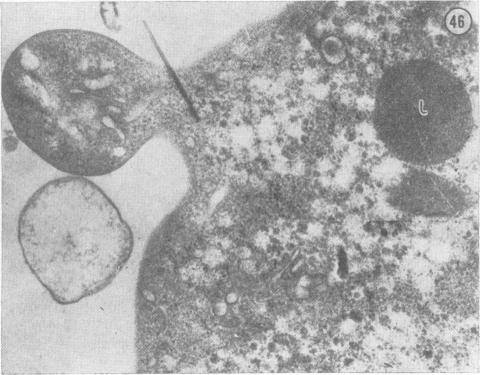
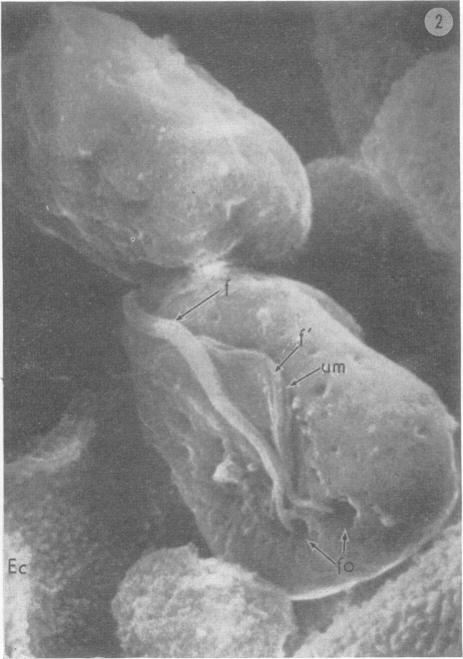
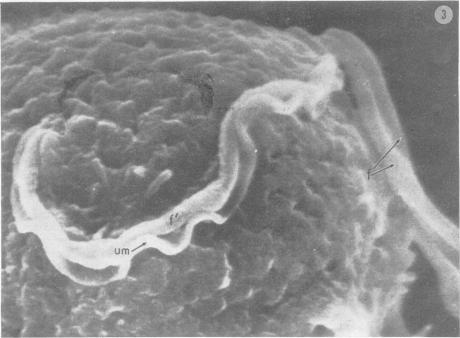
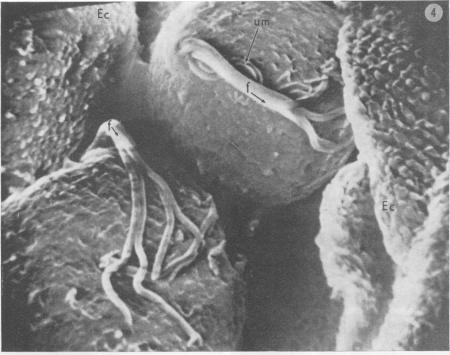
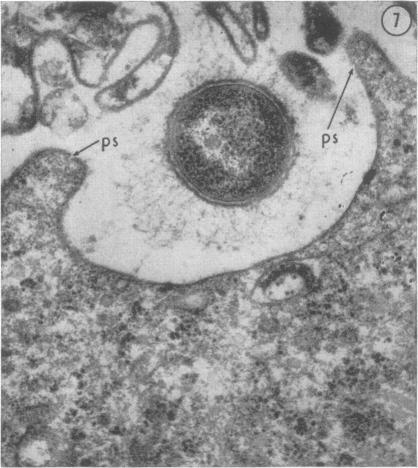
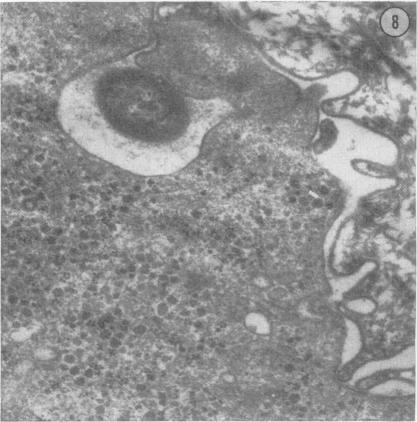
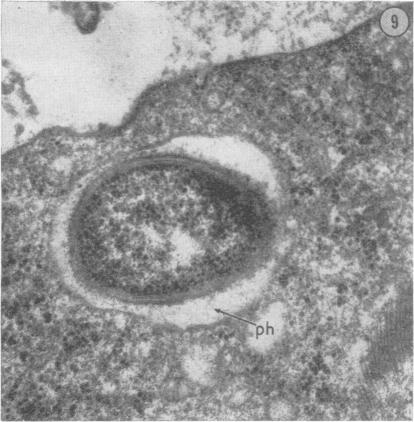
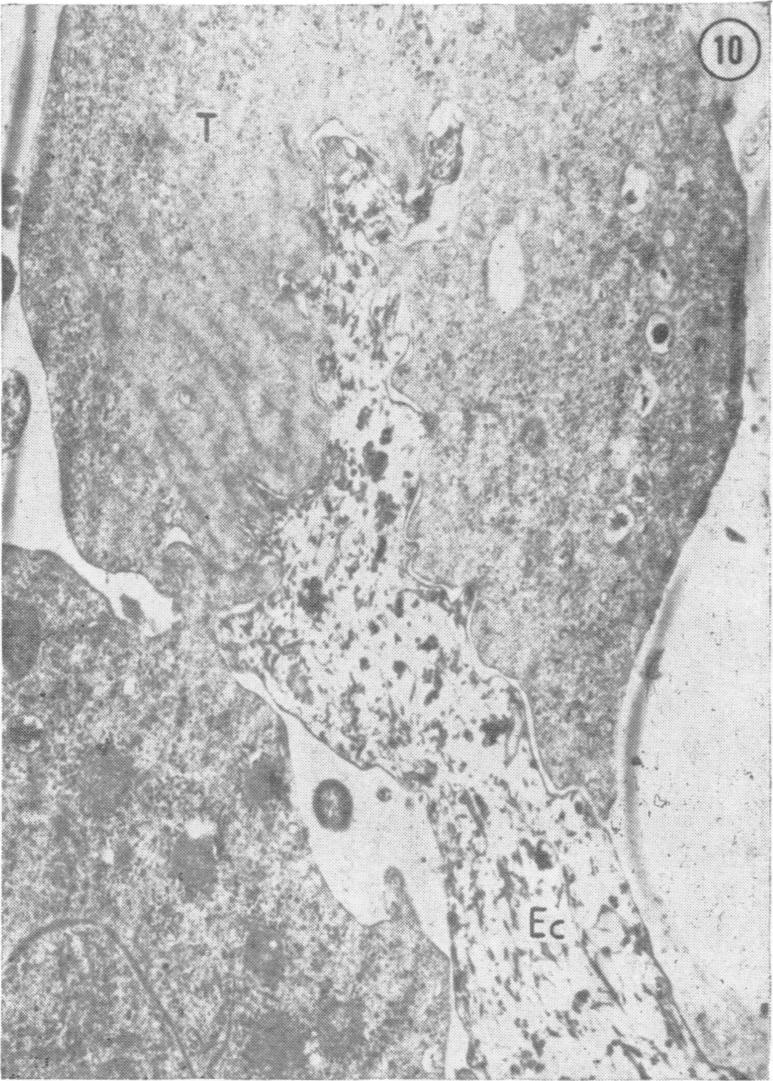
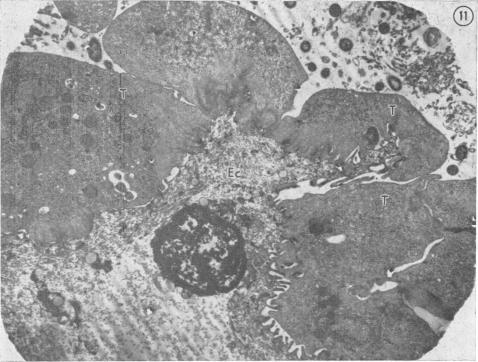
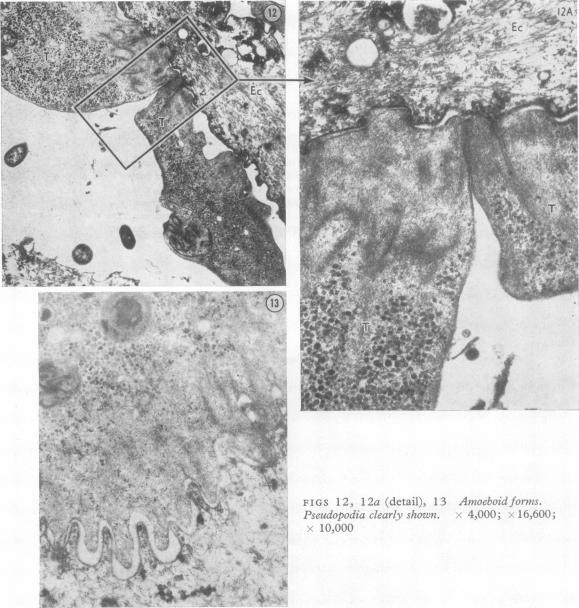
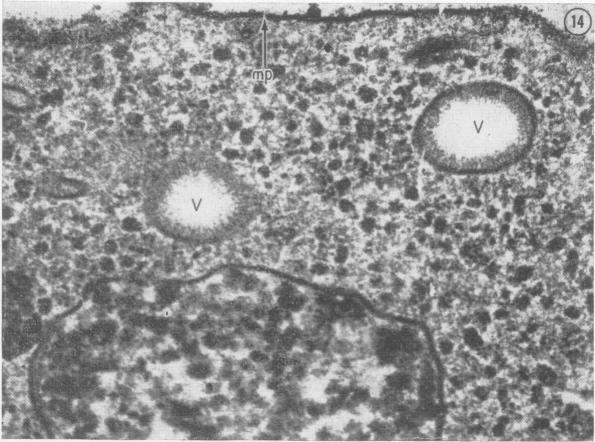
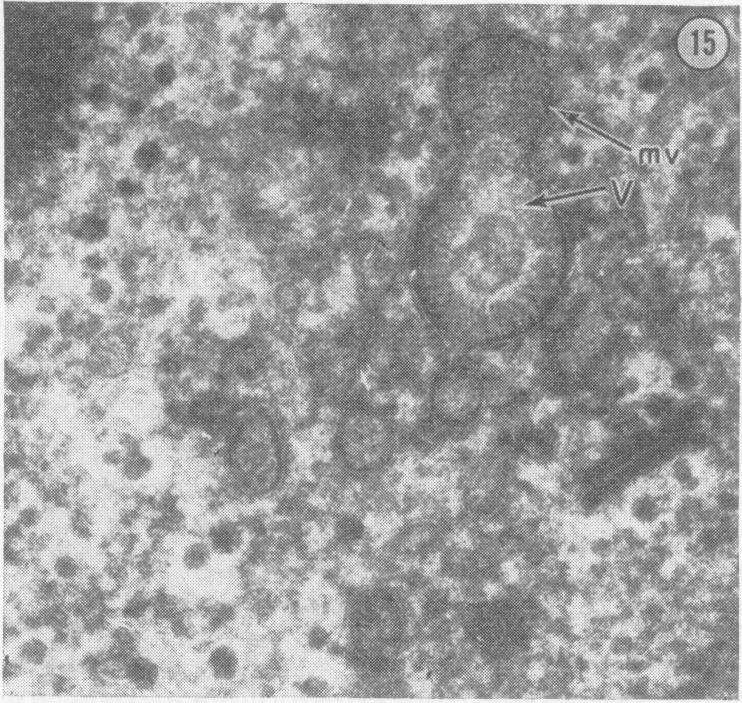
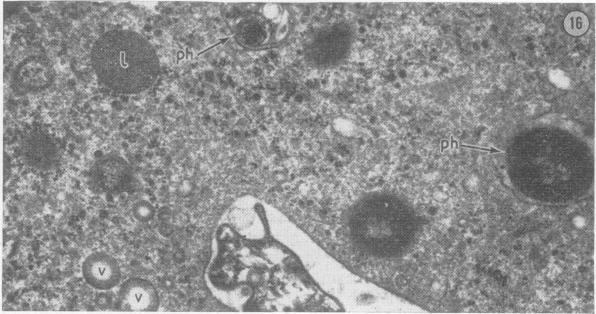
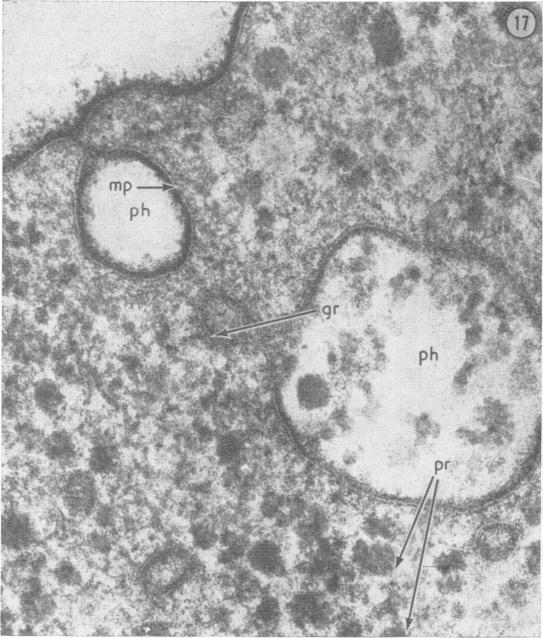
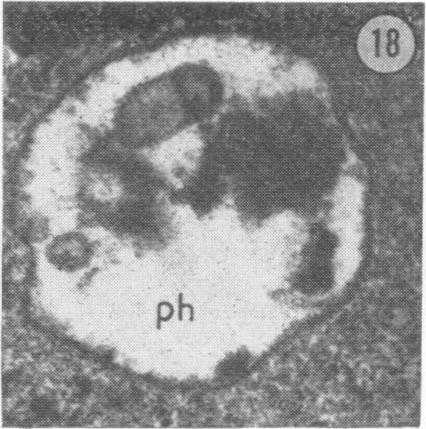
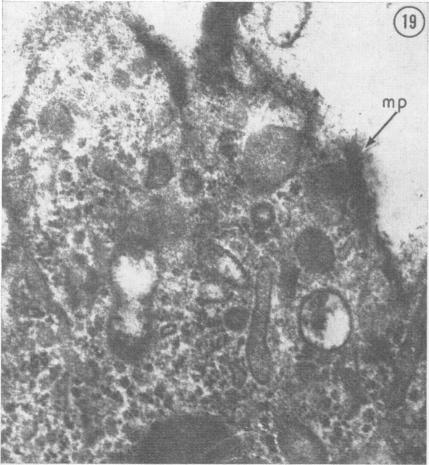
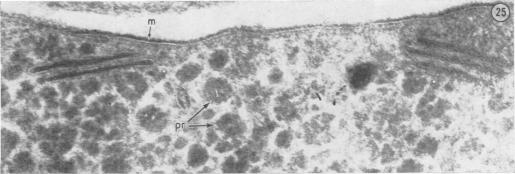
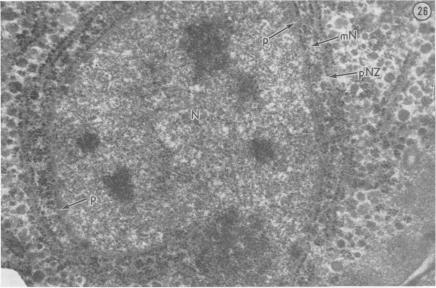
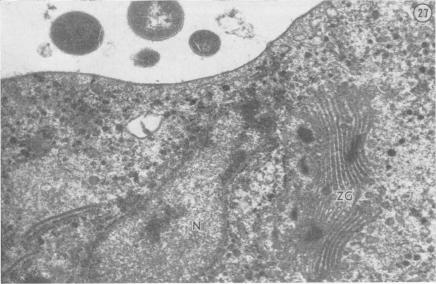
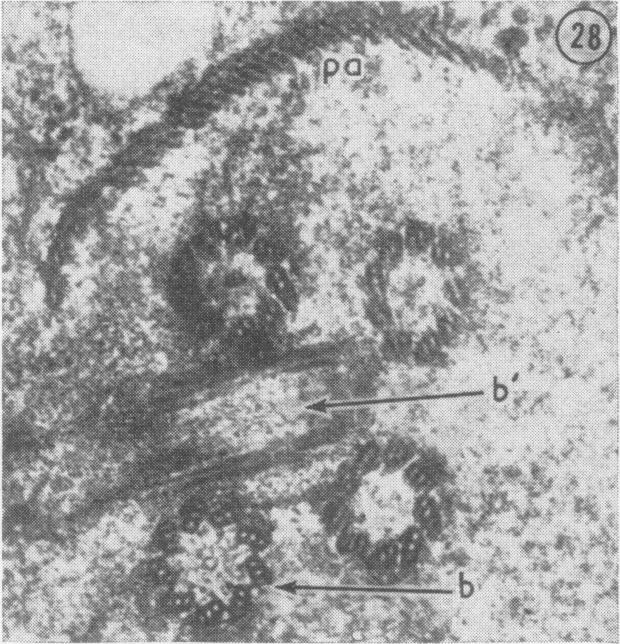
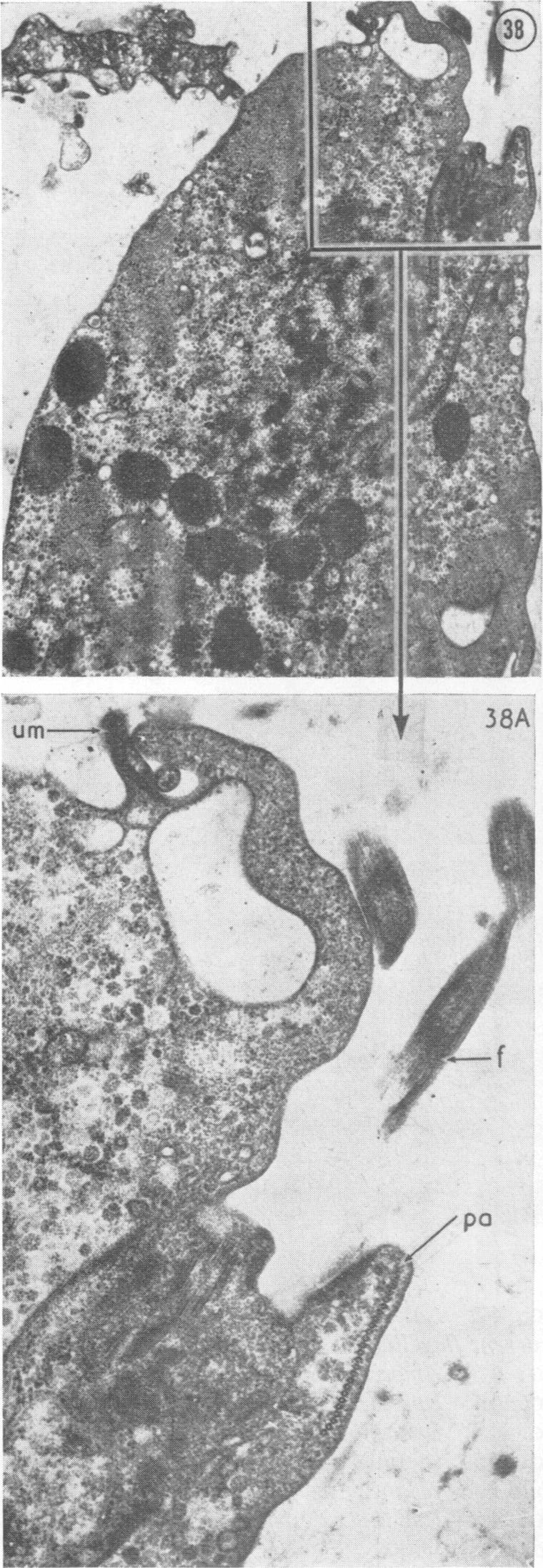
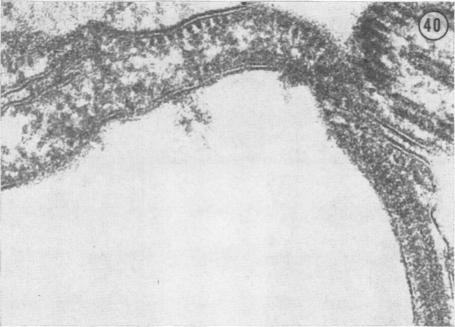
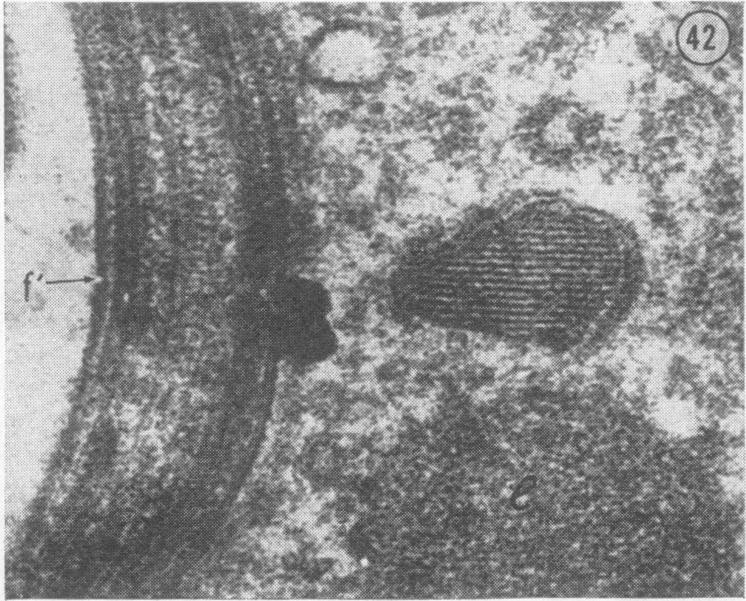
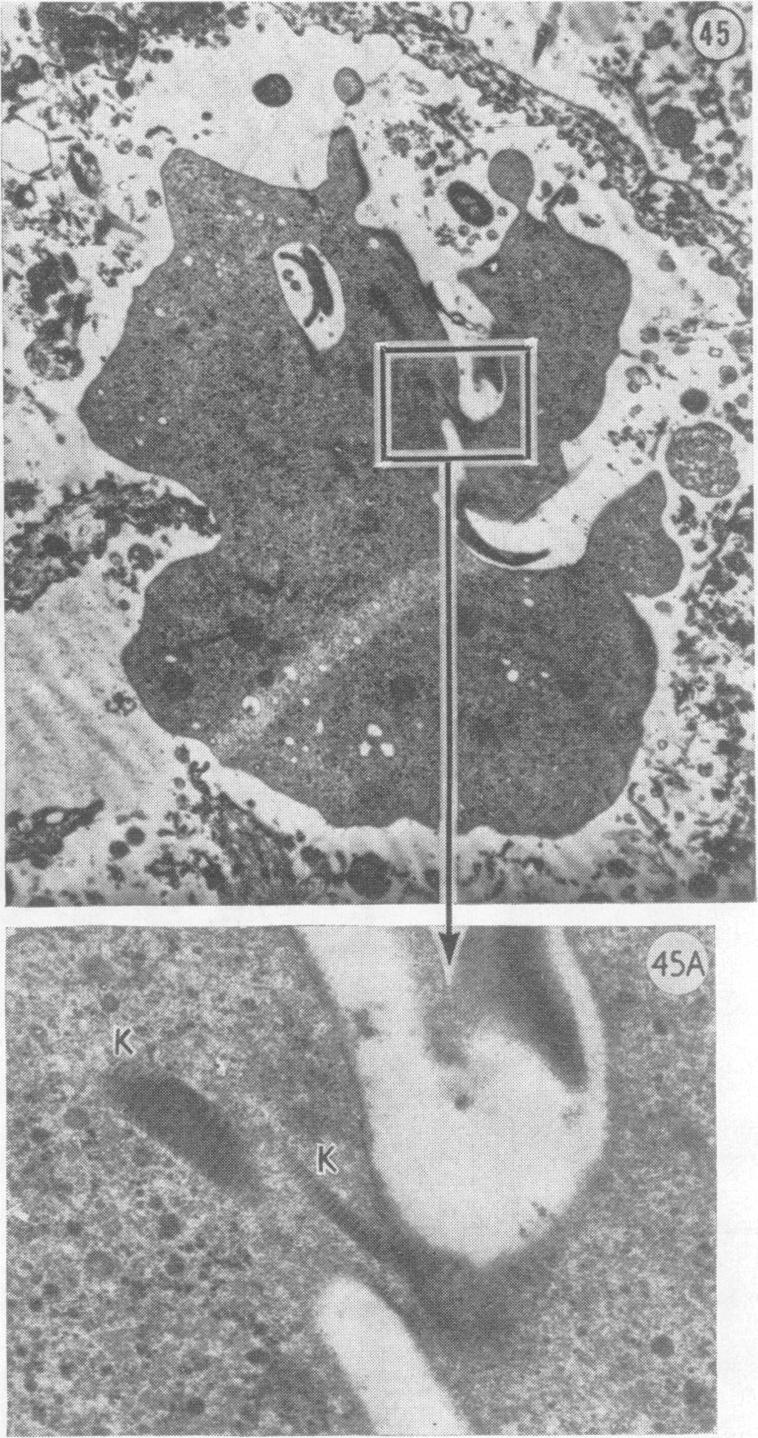
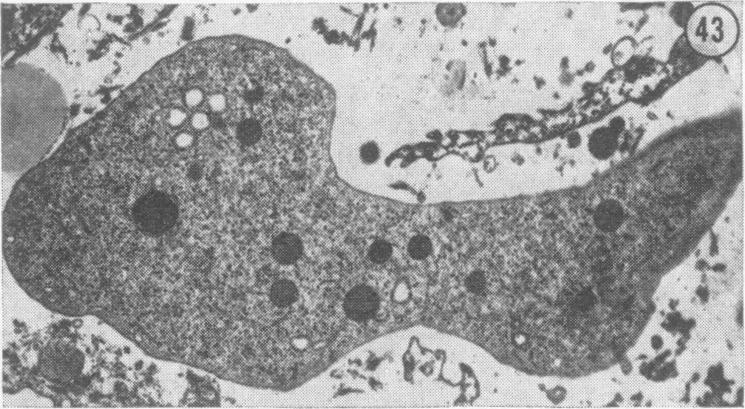
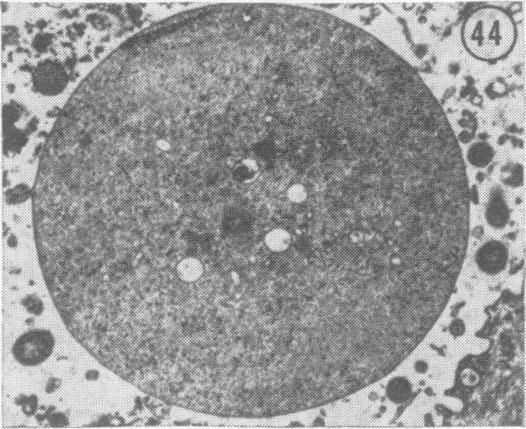
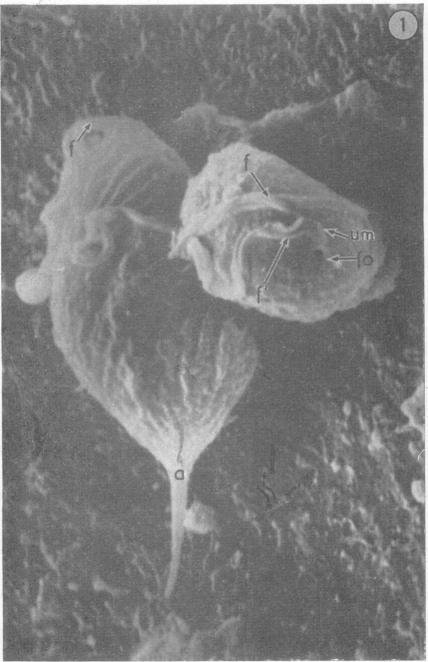
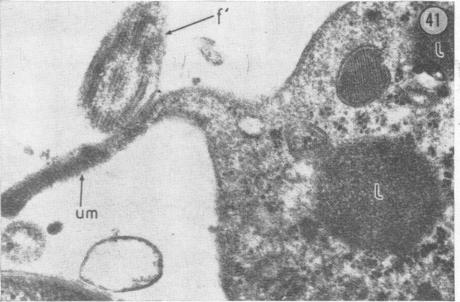
Under the scanning electron microscope, the body surface of trichomonads appears ruffled and creased, with numerous crater-like depressions, which should probably be interpreted as the initial stage in the formation of digestive vacuoles or pinocytotic vesicles. Having contacted epithelial cells, trichomonads engulf them totally or partially. Various micro-organisms also become a prey of the protozoon. The different stages of phagocytosis are illustrated in electron micrographs. Gonococci have been discovered in phagosomes of T. vaginalis. Usually their phagocytosis is not brought to completion and they survive within the trichomonads (endocytobiosis). This suggests that the agent of gonorrhoea may be maintained within trichomonads in cases of mixed infection. In addition to morphological details described earlier, T. vaginalis has lattice-like and lamellar structures of uncertain function. Spherical forms are found usually in an unfavourable environment or as a result of budding.

摘要

在扫描电子显微镜下,滴虫的体表呈现出褶皱和皱纹,有许多火山口状的凹陷,这可能应被解释为消化液泡或胞饮小泡形成的初始阶段。与上皮细胞接触后,滴虫会完全或部分吞噬它们。各种微生物也会成为这种原生动物的猎物。吞噬作用的不同阶段在电子显微照片中得到了展示。在阴道毛滴虫的吞噬体中发现了淋球菌。通常它们的吞噬作用不会完成,而是在滴虫内存活(内共生)。这表明在混合感染的情况下,淋病病原体可能在滴虫内得以维持。除了前面描述的形态学细节外,阴道毛滴虫还有功能不明的格子状和层状结构。球形形态通常在不利环境中出现或通过出芽形成。
https://cdn.ncbi.nlm.nih.gov/pmc/blobs/8ce7/1045184/70fde81af4a8/brjvendis00060-0018-e.jpg
https://cdn.ncbi.nlm.nih.gov/pmc/blobs/8ce7/1045184/b1eb61a9b428/brjvendis00060-0002-a.jpg
https://cdn.ncbi.nlm.nih.gov/pmc/blobs/8ce7/1045184/8074b97060d0/brjvendis00060-0002-b.jpg
https://cdn.ncbi.nlm.nih.gov/pmc/blobs/8ce7/1045184/fa9cee985d3b/brjvendis00060-0002-c.jpg
https://cdn.ncbi.nlm.nih.gov/pmc/blobs/8ce7/1045184/bf4d1a568225/brjvendis00060-0003-a.jpg
https://cdn.ncbi.nlm.nih.gov/pmc/blobs/8ce7/1045184/da75dc158649/brjvendis00060-0003-b.jpg
https://cdn.ncbi.nlm.nih.gov/pmc/blobs/8ce7/1045184/9de89fea44e5/brjvendis00060-0003-c.jpg
https://cdn.ncbi.nlm.nih.gov/pmc/blobs/8ce7/1045184/7fb4e16b6001/brjvendis00060-0004-a.jpg
https://cdn.ncbi.nlm.nih.gov/pmc/blobs/8ce7/1045184/1894a31fb9bd/brjvendis00060-0004-b.jpg
https://cdn.ncbi.nlm.nih.gov/pmc/blobs/8ce7/1045184/cf56711989f6/brjvendis00060-0004-c.jpg
https://cdn.ncbi.nlm.nih.gov/pmc/blobs/8ce7/1045184/9b76c23d8c92/brjvendis00060-0005-a.jpg
https://cdn.ncbi.nlm.nih.gov/pmc/blobs/8ce7/1045184/96d87e16e563/brjvendis00060-0005-b.jpg
https://cdn.ncbi.nlm.nih.gov/pmc/blobs/8ce7/1045184/d827f1fd15a5/brjvendis00060-0006-a.jpg
https://cdn.ncbi.nlm.nih.gov/pmc/blobs/8ce7/1045184/b21582900a1f/brjvendis00060-0008-a.jpg
https://cdn.ncbi.nlm.nih.gov/pmc/blobs/8ce7/1045184/959d4d66434e/brjvendis00060-0008-b.jpg
https://cdn.ncbi.nlm.nih.gov/pmc/blobs/8ce7/1045184/2d71802002b0/brjvendis00060-0008-c.jpg
https://cdn.ncbi.nlm.nih.gov/pmc/blobs/8ce7/1045184/7271d6d96d1e/brjvendis00060-0009-a.jpg
https://cdn.ncbi.nlm.nih.gov/pmc/blobs/8ce7/1045184/aacb011c1a0f/brjvendis00060-0009-b.jpg
https://cdn.ncbi.nlm.nih.gov/pmc/blobs/8ce7/1045184/ad71f1915e31/brjvendis00060-0009-c.jpg
https://cdn.ncbi.nlm.nih.gov/pmc/blobs/8ce7/1045184/cec6268ef644/brjvendis00060-0009-d.jpg
https://cdn.ncbi.nlm.nih.gov/pmc/blobs/8ce7/1045184/f441c23e8014/brjvendis00060-0010-a.jpg
https://cdn.ncbi.nlm.nih.gov/pmc/blobs/8ce7/1045184/e780f62c90ea/brjvendis00060-0011-a.jpg
https://cdn.ncbi.nlm.nih.gov/pmc/blobs/8ce7/1045184/eb297b35e626/brjvendis00060-0011-b.jpg
https://cdn.ncbi.nlm.nih.gov/pmc/blobs/8ce7/1045184/6ca68abfd234/brjvendis00060-0011-c.jpg
https://cdn.ncbi.nlm.nih.gov/pmc/blobs/8ce7/1045184/2e23b1bdd31d/brjvendis00060-0012-a.jpg
https://cdn.ncbi.nlm.nih.gov/pmc/blobs/8ce7/1045184/dfe1711b2bbd/brjvendis00060-0012-b.jpg
https://cdn.ncbi.nlm.nih.gov/pmc/blobs/8ce7/1045184/9b89c8708998/brjvendis00060-0012-c.jpg
https://cdn.ncbi.nlm.nih.gov/pmc/blobs/8ce7/1045184/fdd28147aba1/brjvendis00060-0012-d.jpg
https://cdn.ncbi.nlm.nih.gov/pmc/blobs/8ce7/1045184/a291e8e0e2d7/brjvendis00060-0012-e.jpg
https://cdn.ncbi.nlm.nih.gov/pmc/blobs/8ce7/1045184/446b14f8ecc3/brjvendis00060-0014-a.jpg
https://cdn.ncbi.nlm.nih.gov/pmc/blobs/8ce7/1045184/b9a0042336fb/brjvendis00060-0014-b.jpg
https://cdn.ncbi.nlm.nih.gov/pmc/blobs/8ce7/1045184/509ba33ee25c/brjvendis00060-0015-a.jpg
https://cdn.ncbi.nlm.nih.gov/pmc/blobs/8ce7/1045184/230ee150767a/brjvendis00060-0016-a.jpg
https://cdn.ncbi.nlm.nih.gov/pmc/blobs/8ce7/1045184/27dca9d2e06e/brjvendis00060-0016-b.jpg
https://cdn.ncbi.nlm.nih.gov/pmc/blobs/8ce7/1045184/fa3f3b5008fd/brjvendis00060-0017-a.jpg
https://cdn.ncbi.nlm.nih.gov/pmc/blobs/8ce7/1045184/a0ab7ef5111f/brjvendis00060-0017-b.jpg
https://cdn.ncbi.nlm.nih.gov/pmc/blobs/8ce7/1045184/7e2b150e3541/brjvendis00060-0017-c.jpg
https://cdn.ncbi.nlm.nih.gov/pmc/blobs/8ce7/1045184/1b48aeb8a8f3/brjvendis00060-0017-d.jpg
https://cdn.ncbi.nlm.nih.gov/pmc/blobs/8ce7/1045184/aa87cedad6d3/brjvendis00060-0018-a.jpg
https://cdn.ncbi.nlm.nih.gov/pmc/blobs/8ce7/1045184/c62ac0fe4cfd/brjvendis00060-0018-b.jpg
https://cdn.ncbi.nlm.nih.gov/pmc/blobs/8ce7/1045184/a79a82620b65/brjvendis00060-0018-c.jpg
https://cdn.ncbi.nlm.nih.gov/pmc/blobs/8ce7/1045184/44a9e1269155/brjvendis00060-0018-d.jpg
https://cdn.ncbi.nlm.nih.gov/pmc/blobs/8ce7/1045184/70fde81af4a8/brjvendis00060-0018-e.jpg
https://cdn.ncbi.nlm.nih.gov/pmc/blobs/8ce7/1045184/b1eb61a9b428/brjvendis00060-0002-a.jpg
https://cdn.ncbi.nlm.nih.gov/pmc/blobs/8ce7/1045184/8074b97060d0/brjvendis00060-0002-b.jpg
https://cdn.ncbi.nlm.nih.gov/pmc/blobs/8ce7/1045184/fa9cee985d3b/brjvendis00060-0002-c.jpg
https://cdn.ncbi.nlm.nih.gov/pmc/blobs/8ce7/1045184/bf4d1a568225/brjvendis00060-0003-a.jpg
https://cdn.ncbi.nlm.nih.gov/pmc/blobs/8ce7/1045184/da75dc158649/brjvendis00060-0003-b.jpg
https://cdn.ncbi.nlm.nih.gov/pmc/blobs/8ce7/1045184/9de89fea44e5/brjvendis00060-0003-c.jpg
https://cdn.ncbi.nlm.nih.gov/pmc/blobs/8ce7/1045184/7fb4e16b6001/brjvendis00060-0004-a.jpg
https://cdn.ncbi.nlm.nih.gov/pmc/blobs/8ce7/1045184/1894a31fb9bd/brjvendis00060-0004-b.jpg
https://cdn.ncbi.nlm.nih.gov/pmc/blobs/8ce7/1045184/cf56711989f6/brjvendis00060-0004-c.jpg
https://cdn.ncbi.nlm.nih.gov/pmc/blobs/8ce7/1045184/9b76c23d8c92/brjvendis00060-0005-a.jpg
https://cdn.ncbi.nlm.nih.gov/pmc/blobs/8ce7/1045184/96d87e16e563/brjvendis00060-0005-b.jpg
https://cdn.ncbi.nlm.nih.gov/pmc/blobs/8ce7/1045184/d827f1fd15a5/brjvendis00060-0006-a.jpg
https://cdn.ncbi.nlm.nih.gov/pmc/blobs/8ce7/1045184/b21582900a1f/brjvendis00060-0008-a.jpg
https://cdn.ncbi.nlm.nih.gov/pmc/blobs/8ce7/1045184/959d4d66434e/brjvendis00060-0008-b.jpg
https://cdn.ncbi.nlm.nih.gov/pmc/blobs/8ce7/1045184/2d71802002b0/brjvendis00060-0008-c.jpg
https://cdn.ncbi.nlm.nih.gov/pmc/blobs/8ce7/1045184/7271d6d96d1e/brjvendis00060-0009-a.jpg
https://cdn.ncbi.nlm.nih.gov/pmc/blobs/8ce7/1045184/aacb011c1a0f/brjvendis00060-0009-b.jpg
https://cdn.ncbi.nlm.nih.gov/pmc/blobs/8ce7/1045184/ad71f1915e31/brjvendis00060-0009-c.jpg
https://cdn.ncbi.nlm.nih.gov/pmc/blobs/8ce7/1045184/cec6268ef644/brjvendis00060-0009-d.jpg
https://cdn.ncbi.nlm.nih.gov/pmc/blobs/8ce7/1045184/f441c23e8014/brjvendis00060-0010-a.jpg
https://cdn.ncbi.nlm.nih.gov/pmc/blobs/8ce7/1045184/e780f62c90ea/brjvendis00060-0011-a.jpg
https://cdn.ncbi.nlm.nih.gov/pmc/blobs/8ce7/1045184/eb297b35e626/brjvendis00060-0011-b.jpg
https://cdn.ncbi.nlm.nih.gov/pmc/blobs/8ce7/1045184/6ca68abfd234/brjvendis00060-0011-c.jpg
https://cdn.ncbi.nlm.nih.gov/pmc/blobs/8ce7/1045184/2e23b1bdd31d/brjvendis00060-0012-a.jpg
https://cdn.ncbi.nlm.nih.gov/pmc/blobs/8ce7/1045184/dfe1711b2bbd/brjvendis00060-0012-b.jpg
https://cdn.ncbi.nlm.nih.gov/pmc/blobs/8ce7/1045184/9b89c8708998/brjvendis00060-0012-c.jpg
https://cdn.ncbi.nlm.nih.gov/pmc/blobs/8ce7/1045184/fdd28147aba1/brjvendis00060-0012-d.jpg
https://cdn.ncbi.nlm.nih.gov/pmc/blobs/8ce7/1045184/a291e8e0e2d7/brjvendis00060-0012-e.jpg
https://cdn.ncbi.nlm.nih.gov/pmc/blobs/8ce7/1045184/446b14f8ecc3/brjvendis00060-0014-a.jpg
https://cdn.ncbi.nlm.nih.gov/pmc/blobs/8ce7/1045184/b9a0042336fb/brjvendis00060-0014-b.jpg
https://cdn.ncbi.nlm.nih.gov/pmc/blobs/8ce7/1045184/509ba33ee25c/brjvendis00060-0015-a.jpg
https://cdn.ncbi.nlm.nih.gov/pmc/blobs/8ce7/1045184/230ee150767a/brjvendis00060-0016-a.jpg
https://cdn.ncbi.nlm.nih.gov/pmc/blobs/8ce7/1045184/27dca9d2e06e/brjvendis00060-0016-b.jpg
https://cdn.ncbi.nlm.nih.gov/pmc/blobs/8ce7/1045184/fa3f3b5008fd/brjvendis00060-0017-a.jpg
https://cdn.ncbi.nlm.nih.gov/pmc/blobs/8ce7/1045184/a0ab7ef5111f/brjvendis00060-0017-b.jpg
https://cdn.ncbi.nlm.nih.gov/pmc/blobs/8ce7/1045184/7e2b150e3541/brjvendis00060-0017-c.jpg
https://cdn.ncbi.nlm.nih.gov/pmc/blobs/8ce7/1045184/1b48aeb8a8f3/brjvendis00060-0017-d.jpg
https://cdn.ncbi.nlm.nih.gov/pmc/blobs/8ce7/1045184/aa87cedad6d3/brjvendis00060-0018-a.jpg
https://cdn.ncbi.nlm.nih.gov/pmc/blobs/8ce7/1045184/c62ac0fe4cfd/brjvendis00060-0018-b.jpg
https://cdn.ncbi.nlm.nih.gov/pmc/blobs/8ce7/1045184/a79a82620b65/brjvendis00060-0018-c.jpg
https://cdn.ncbi.nlm.nih.gov/pmc/blobs/8ce7/1045184/44a9e1269155/brjvendis00060-0018-d.jpg
https://cdn.ncbi.nlm.nih.gov/pmc/blobs/8ce7/1045184/70fde81af4a8/brjvendis00060-0018-e.jpg

相似文献

1
Further studies of Trichomonas Vaginalis with transmission and scanning electron microscopy.利用透射电子显微镜和扫描电子显微镜对阴道毛滴虫进行的进一步研究。
Br J Vener Dis. 1975 Dec;51(6):357-75. doi: 10.1136/sti.51.6.357.
2
Interaction between Trichomonas vaginalis and other pathogenic micro-organisms of the human genital tract.阴道毛滴虫与人类生殖道其他致病微生物之间的相互作用。
Br J Vener Dis. 1984 Feb;60(1):31-8. doi: 10.1136/sti.60.1.31.
3
Scanning electron microscopy of Trichomonas vaginalis.阴道毛滴虫的扫描电子显微镜检查
J Egypt Soc Parasitol. 1989 Jun;19(1):231-8.
4
An electron microscopic investigation on the pathogenesis of human vaginal trichomoniasis.人类阴道毛滴虫病发病机制的电子显微镜研究。
Acta Cytol. 1978 Nov-Dec;22(6):447-55.
5
A freeze-fracture electron microscope study of Trichomonas vaginalis Donné and Tritrichomonas foetus (Riedmüller).阴道毛滴虫(唐内)和胎儿三毛滴虫(里德米勒)的冷冻断裂电子显微镜研究。
J Protozool. 1984 Feb;31(1):116-31. doi: 10.1111/j.1550-7408.1984.tb04300.x.
6
Electron microscope observations on the interaction of Mycoplasma fermentans with Trichomonas vaginalis.
Z Parasitenkd. 1985;71(4):435-42. doi: 10.1007/BF00928346.
7
Phagocytosis and killing of Neisseria gonorrhoeae by Trichomonas vaginalis.
J Infect Dis. 1983 Jan;147(1):87-94. doi: 10.1093/infdis/147.1.87.
8
Trichomonas vaginalis: in vitro phagocytosis of lactobacilli, vaginal epithelial cells, leukocytes, and erythrocytes.阴道毛滴虫:对乳酸杆菌、阴道上皮细胞、白细胞和红细胞的体外吞噬作用。
Exp Parasitol. 1998 Jun;89(2):241-50. doi: 10.1006/expr.1998.4297.
9
Acquisition and retention of viruses by Trichomonas vaginalis.阴道毛滴虫对病毒的获取与留存
Genitourin Med. 1989 Dec;65(6):366-71. doi: 10.1136/sti.65.6.366.
10
Ultrastructural and immunohistochemical studies on Trichomonas vaginalis adhering to and phagocytizing genitourinary epithelial cells.阴道毛滴虫黏附并吞噬泌尿生殖上皮细胞的超微结构及免疫组化研究
Chin Med J (Engl). 2004 Mar;117(3):376-81.

引用本文的文献

1
Morphological study of Tetratrichomonas didelphidis isolated from opossum Lutreolina crassicaudata by scanning electron microscopy.
Parasitol Res. 2007 May;100(6):1385-8. doi: 10.1007/s00436-006-0422-6. Epub 2007 Jan 25.
2
Electron microscopic study of Tetratrichomonas didelphidis and its interaction with a prokaryotic cell.双滴虫的电子显微镜研究及其与原核细胞的相互作用。
Parasitol Res. 2004 Jan;92(2):106-9. doi: 10.1007/s00436-003-1015-2. Epub 2003 Nov 19.
3
Clinical and microbiological aspects of Trichomonas vaginalis.阴道毛滴虫的临床和微生物学方面

本文引用的文献

1
STRUCTURE OF TRICHOMONAS VAGINALIS DONN'E.阴道毛滴虫的结构 唐恩(Donn'E.)
J Parasitol. 1964 Jun;50:345-64.
2
The cytology of Tritrichomonas as revealed by the electon microscope.电镜下三毛滴虫的细胞学研究
J Morphol. 1959 Mar;104:205-35. doi: 10.1002/jmor.1051040203.
3
Experimental transmission of Trichomonas vaginalis (pure culture) into mice.阴道毛滴虫(纯培养物)向小鼠的实验性传播。
Clin Microbiol Rev. 1998 Apr;11(2):300-17. doi: 10.1128/CMR.11.2.300.
4
Carbohydrate involvement in the association of a prokaryotic cell with Trichomonas vaginalis and Tritrichomonas foetus.碳水化合物在原核细胞与阴道毛滴虫和胎儿三毛滴虫相互关系中的作用。
Parasitol Res. 1995;81(6):459-64. doi: 10.1007/BF00931786.
5
Behaviour and pathogenicity of Trichomonas vaginalis in epithelial cell cultures: a study by light and scanning electron microscopy.阴道毛滴虫在上皮细胞培养中的行为及致病性:光镜和扫描电镜研究
Br J Vener Dis. 1981 Apr;57(2):106-17. doi: 10.1136/sti.57.2.106.
6
Beta-hemolytic activity of Trichomonas vaginalis correlates with virulence.阴道毛滴虫的β-溶血活性与毒力相关。
Infect Immun. 1983 Sep;41(3):1291-5. doi: 10.1128/iai.41.3.1291-1295.1983.
7
Interaction between Trichomonas vaginalis and other pathogenic micro-organisms of the human genital tract.阴道毛滴虫与人类生殖道其他致病微生物之间的相互作用。
Br J Vener Dis. 1984 Feb;60(1):31-8. doi: 10.1136/sti.60.1.31.
8
Contact-dependent cytopathogenic mechanisms of Trichomonas vaginalis.阴道毛滴虫的接触依赖性细胞致病机制。
Infect Immun. 1985 Dec;50(3):778-86. doi: 10.1128/iai.50.3.778-786.1985.
9
Acquisition and retention of viruses by Trichomonas vaginalis.阴道毛滴虫对病毒的获取与留存
Genitourin Med. 1989 Dec;65(6):366-71. doi: 10.1136/sti.65.6.366.
10
In vitro phagocytic interaction between Trichomonas vaginalis isolates and bacteria.
Eur J Clin Microbiol Infect Dis. 1991 Jun;10(6):497-502. doi: 10.1007/BF01963936.
J Infect Dis. 1953 Jan-Feb;92(1):1-3. doi: 10.1093/infdis/92.1.1.
4
[On the ultrastructure of Trichomonas vaginalis].[关于阴道毛滴虫的超微结构]
Arch Roum Pathol Exp Microbiol. 1971 Mar;30(1):87-106.
5
Hydrogenosome, a cytoplasmic organelle of the anaerobic flagellate Tritrichomonas foetus, and its role in pyruvate metabolism.氢化酶体,一种厌氧鞭毛虫胎儿三毛滴虫的细胞质细胞器,及其在丙酮酸代谢中的作用。
J Biol Chem. 1973 Nov 25;248(22):7724-8.
6
Letter: Ultrastructure of T. vaginalis.信件:阴道毛滴虫的超微结构
Br J Vener Dis. 1974 Jun;50(3):240-1. doi: 10.1136/sti.50.3.240.
7
Biochemical cytology of trichomonad flagellates. I. Subcellular localization of hydrolases, dehydrogenases, and catalase in Tritrichomonas foetus.毛滴虫鞭毛虫的生化细胞学。I. 胎儿三毛滴虫中水解酶、脱氢酶和过氧化氢酶的亚细胞定位。
J Cell Biol. 1973 May;57(2):453-74. doi: 10.1083/jcb.57.2.453.