Naylor J R, Mulley G P
Department of Medicine for the Elderly, St James's University Hospital Trust, Leeds.
BMJ. 1993 Nov 13;307(6914):1258-60. doi: 10.1136/bmj.307.6914.1258.
To investigate use of commodes and attitudes of users and carers to them.
Interview with semi-structured questionnaire of subjects supplied with commodes from Leeds community appliance centre.
140 users of a commode and 105 of their carers.
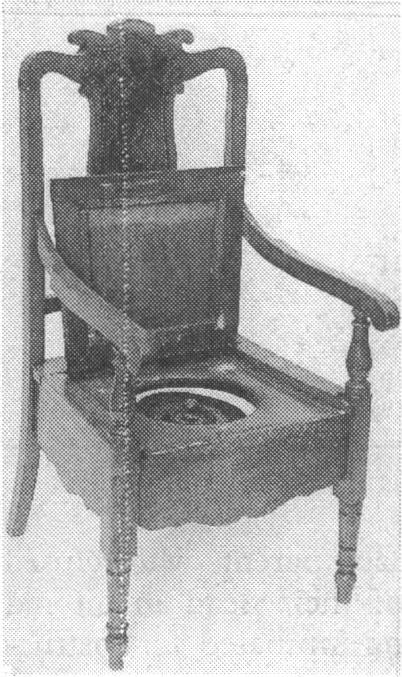
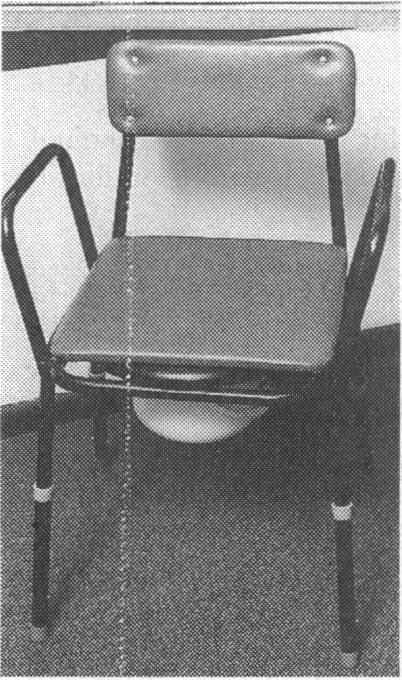
Main reasons for being supplied with a commode were impaired mobility (130 subjects), difficulty in climbing stairs (128), and urinary incontinence (127). Main concerns of users and carers were lack of privacy (120 subjects felt embarrassed about using their commode, and 96 would not use it if someone was present); unpleasant smells (especially for 20 subjects who were confined to one room); physical appearance of commode chair (101 users said it had an unfavourable appearance, and 44 had tried to disguise it); and lack of follow up after commode was supplied (only 15 users and carers knew who to contact if there were problems). Users generally either had very positive or very negative attitudes to their commodes but most carers viewed them very negatively, especially with regard to cleaning them.
Health professionals should be aware of people's need for privacy when advising them where to keep their commode. A standard commode is inappropriate for people confined to one room, and alternatives such as a chemical toilet should be considered. Regular follow up is needed to identify any problems such as uncomfortable or unsafe chairs. More thought should be given to the appearance of commodes in their design.
调查便桶的使用情况以及使用者和护理人员对便桶的态度。
对从利兹社区设备中心领取便桶的受试者进行半结构化问卷调查访谈。
140名便桶使用者及其105名护理人员。
提供便桶的主要原因是行动不便(130名受试者)、爬楼梯困难(128名)和尿失禁(127名)。使用者和护理人员主要关心的问题包括缺乏隐私(120名受试者使用便桶时感到尴尬,96名在有人在场时不会使用);气味难闻(尤其是20名被限制在一个房间内的受试者);便桶椅的外观(101名使用者表示其外观不佳,44名曾试图对其进行掩饰);以及提供便桶后缺乏后续跟进(只有15名使用者和护理人员知道如果有问题该联系谁)。使用者对便桶的态度通常要么非常积极要么非常消极,但大多数护理人员对便桶的看法非常消极,尤其是在清洁方面。
健康专业人员在建议人们将便桶放置何处时应意识到人们对隐私的需求。标准便桶不适合被限制在一个房间内的人,应考虑使用化学马桶等替代方案。需要定期跟进以发现诸如椅子不舒服或不安全等问题。在便桶的设计中应更多地考虑其外观。