Larjava H, Salo T, Haapasalmi K, Kramer R H, Heino J
Department of Periodontology, University of Turku, Finland.
J Clin Invest. 1993 Sep;92(3):1425-35. doi: 10.1172/JCI116719.
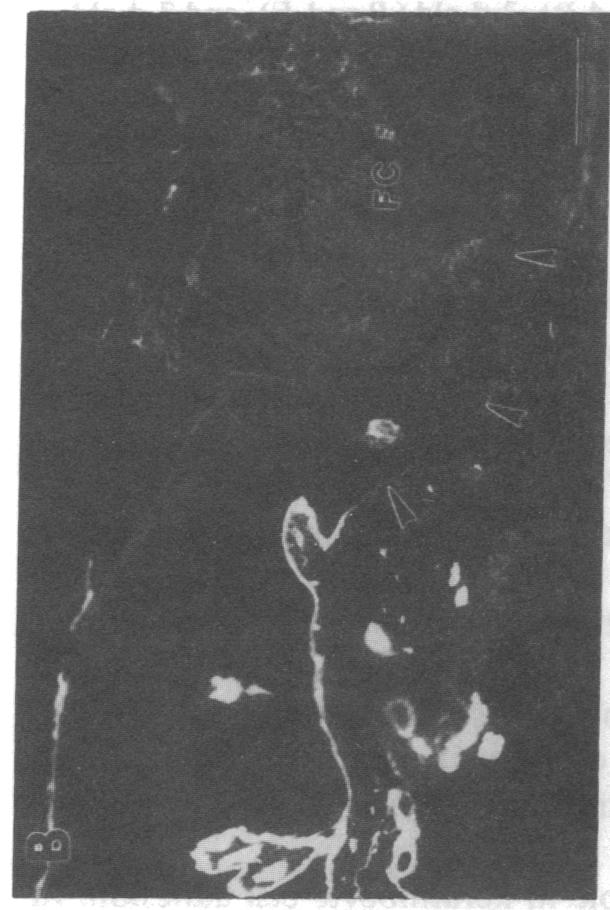
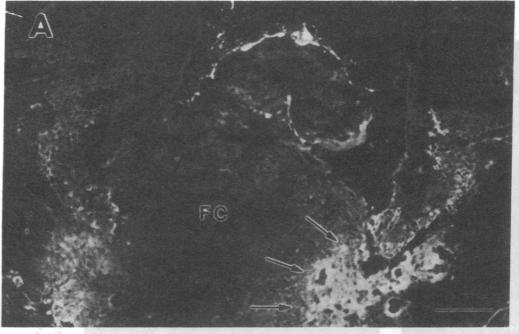
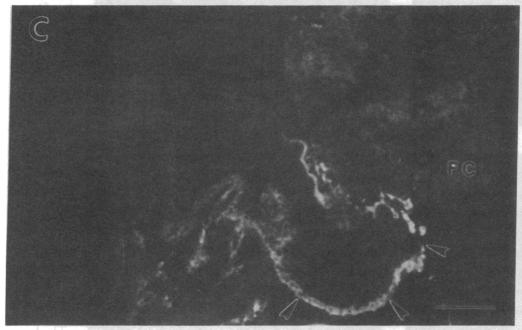
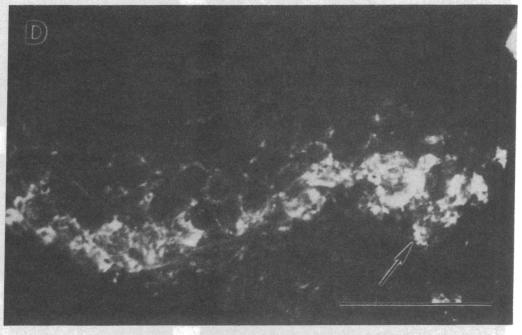
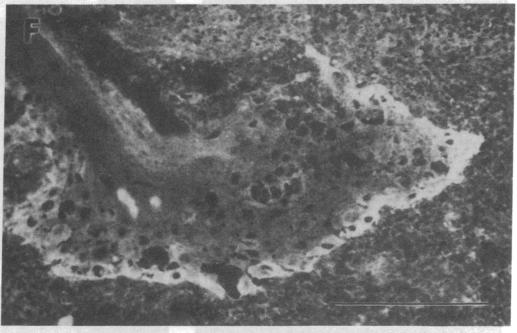
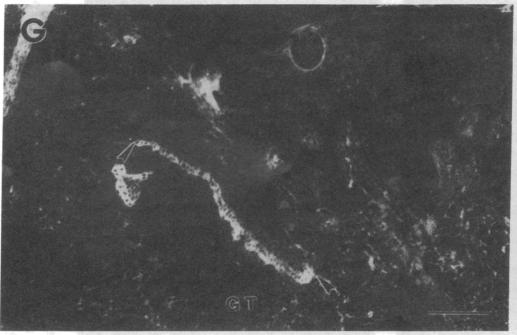
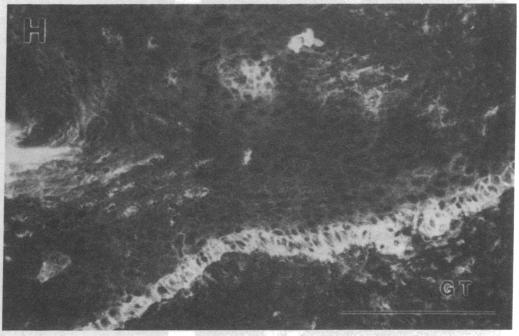
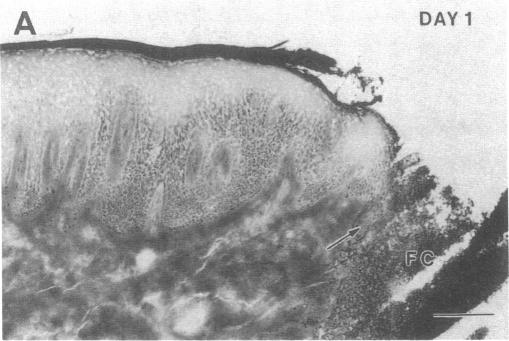
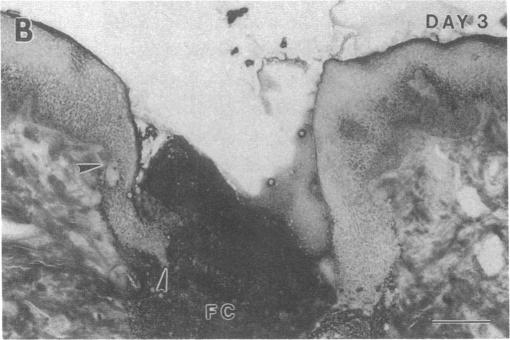
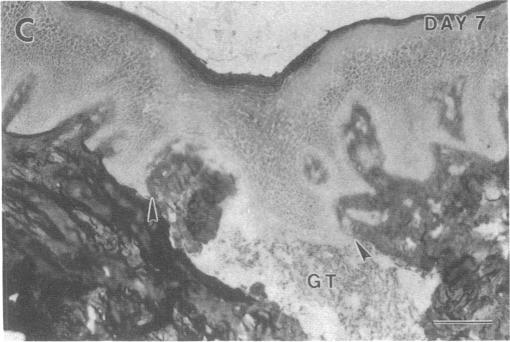
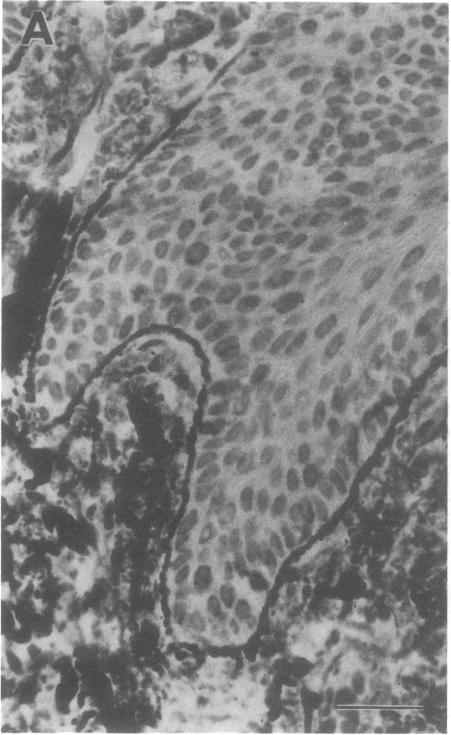
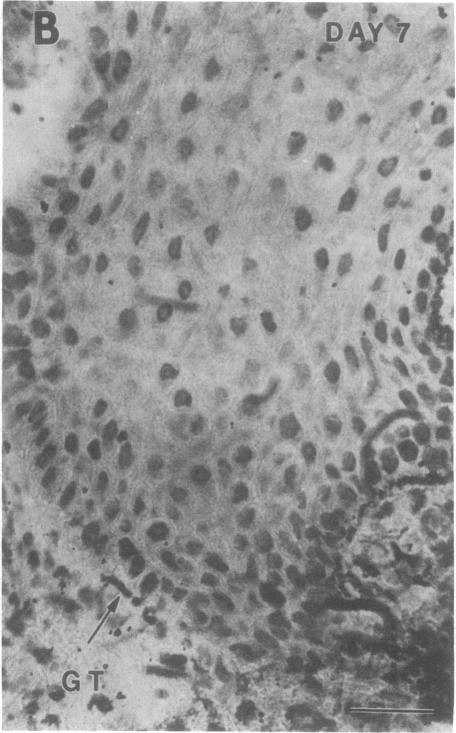
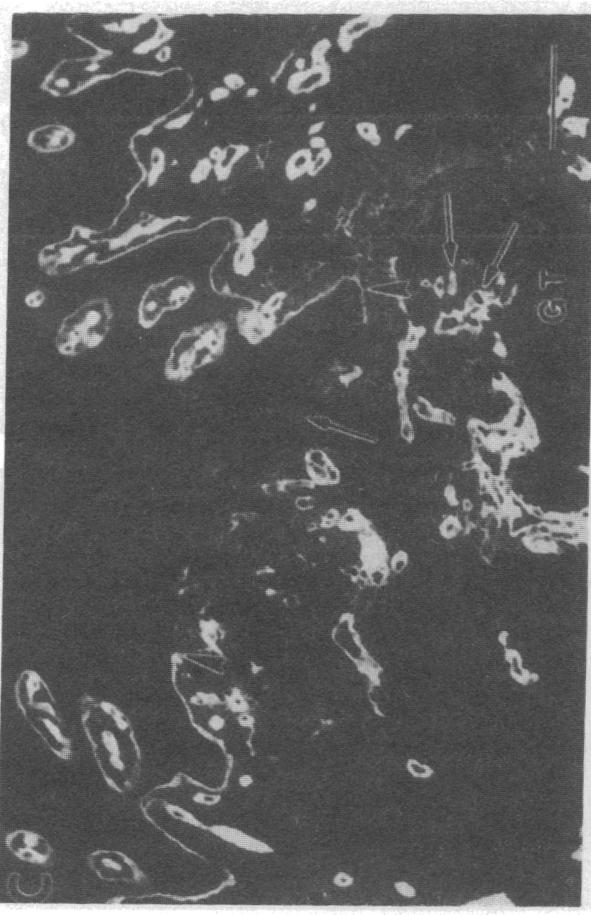
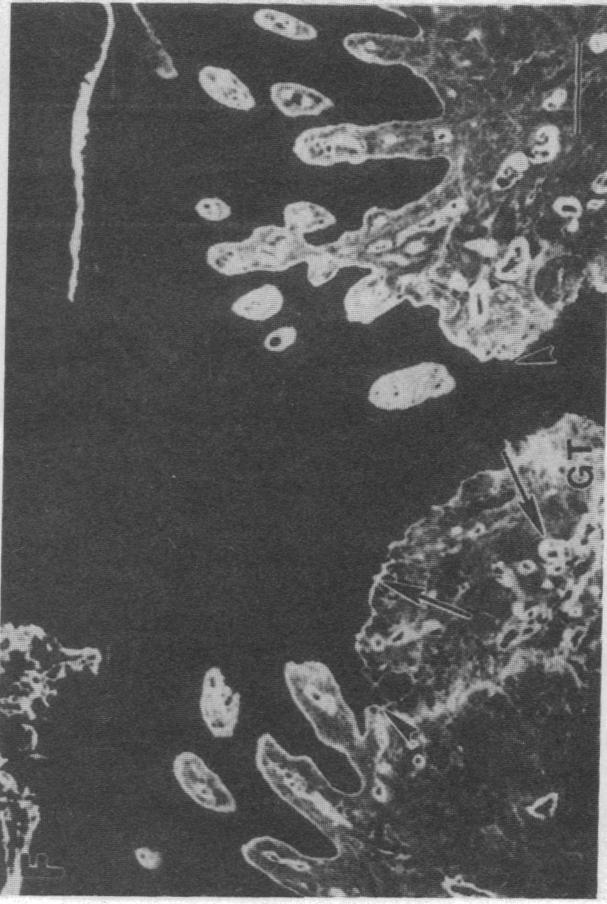
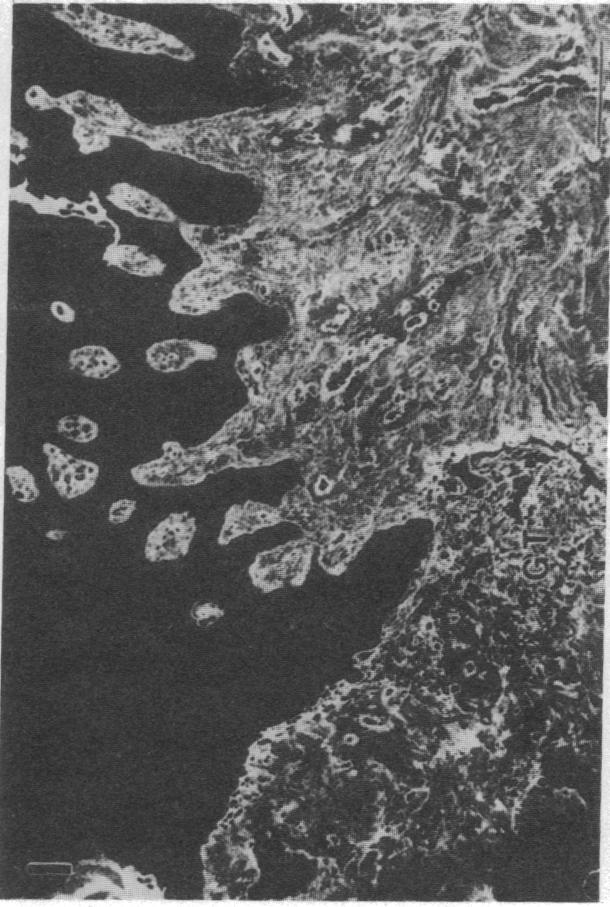
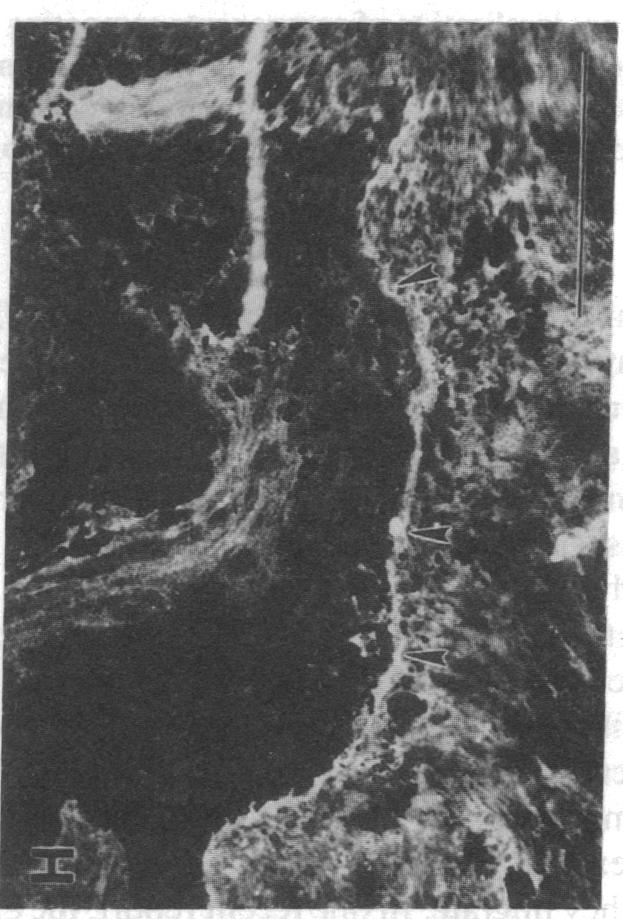
Extracellular matrix proteins and their cellular receptors, integrins, play a fundamental role in keratinocyte adhesion and migration. During wound healing, keratinocytes detach, migrate until the two epithelial sheets confront, and then regenerate the basement membrane. We examined the expression of different integrins and their putative ligands in keratinocytes during human mucosal wound healing. Migrating keratinocytes continuously expressed kalinin but not the other typical components of the basement membrane zone: type IV collagen, laminin, and type VII collagen. When the epithelial sheets confronted each other, these missing basement membrane components started to appear gradually through the entire wound area. The expression of integrin beta 1 subunit was increased in keratinocytes during migration. The beta 1-associated alpha 2 and alpha 3 subunits were expressed constantly by wound keratinocytes whereas the alpha 5 subunit was present only in keratinocytes during reepithelialization. Furthermore, migrating cells started to express alpha v-integrins which were not present in the nonaffected epithelium. All keratinocytes also expressed the alpha 6 beta 4 integrin during migration. In the migrating cells, the distribution of integrins was altered. In normal mucosa, beta 1-integrins were located mainly on the lateral plasma membrane and alpha 6 beta 4 at the basal surface of basal keratinocytes in the nonaffected tissue. In wounds, integrins were found in filopodia of migrating keratinocytes, and also surrounding cells in several cell layers of the migrating sheet. The results indicate that migrating keratinocytes, in deep human wounds enlarge their integrin repertoire. The changes in integrin expression take place concomitantly with changes in the basement membrane composition, suggesting a close interplay of these two groups of molecules during wound healing.
细胞外基质蛋白及其细胞受体整合素在角质形成细胞的黏附和迁移中起重要作用。在伤口愈合过程中,角质形成细胞脱离、迁移,直到两个上皮层相遇,然后再生基底膜。我们研究了人类黏膜伤口愈合过程中角质形成细胞中不同整合素及其假定配体的表达情况。迁移的角质形成细胞持续表达角蛋白,但不表达基底膜区的其他典型成分:IV型胶原蛋白、层粘连蛋白和VII型胶原蛋白。当上皮层相互面对时,这些缺失的基底膜成分开始逐渐在整个伤口区域出现。整合素β1亚基在角质形成细胞迁移过程中的表达增加。与β1相关的α2和α3亚基由伤口角质形成细胞持续表达,而α5亚基仅在上皮再形成过程中的角质形成细胞中存在。此外,迁移细胞开始表达在未受影响的上皮中不存在的αv整合素。所有角质形成细胞在迁移过程中也表达α6β4整合素。在迁移细胞中,整合素的分布发生了改变。在正常黏膜中,β1整合素主要位于侧面质膜上,α6β4位于未受影响组织中基底角质形成细胞的基底表面。在伤口中,整合素存在于迁移角质形成细胞的丝状伪足中,也存在于迁移层的几个细胞层中的周围细胞中。结果表明,在人类深部伤口中迁移的角质形成细胞扩大了其整合素种类。整合素表达的变化与基底膜组成的变化同时发生,这表明在伤口愈合过程中这两组分子之间存在密切的相互作用。