Hazen-Martin D J, Garvin A J, Gansler T, Tarnowski B I, Sens D A
Department of Pathology and Laboratory Medicine, Medical University of South Carolina, Charleston 29425.
Am J Pathol. 1993 Mar;142(3):893-905.
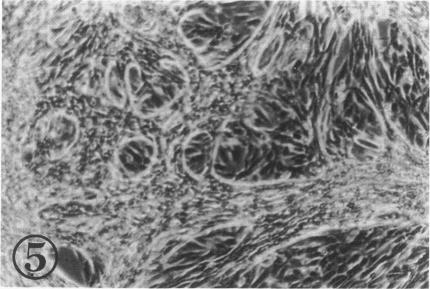
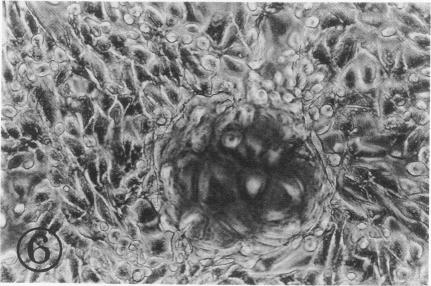
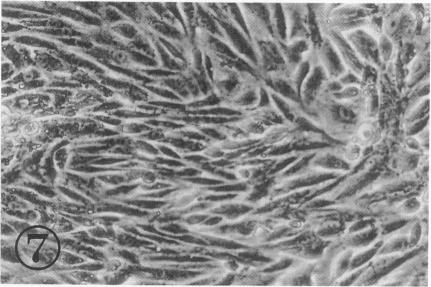
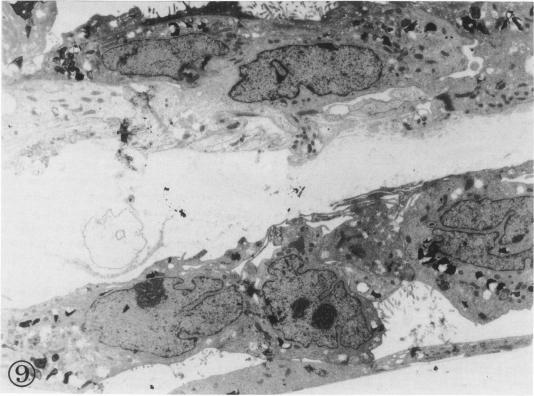
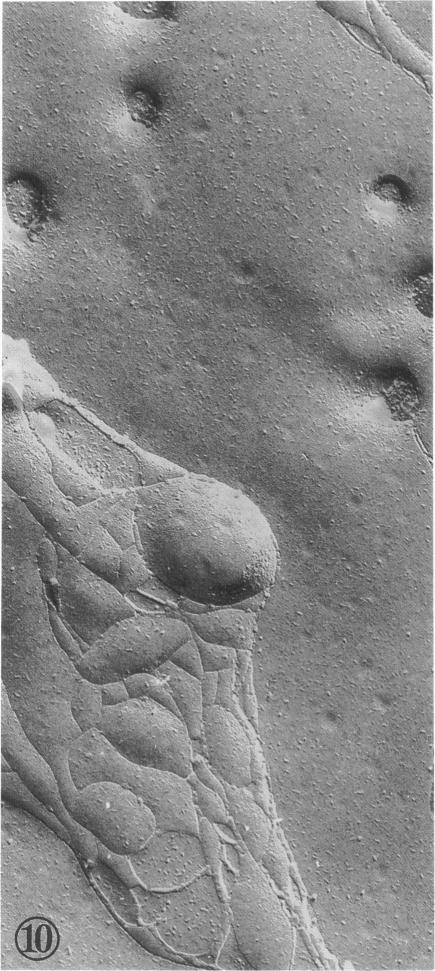
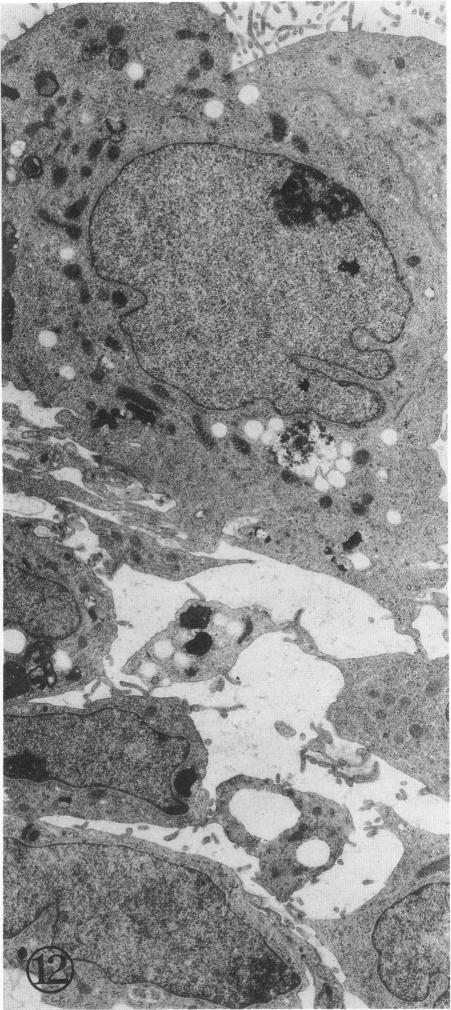
The ability to establish cell cultures representing the epithelial component of Wilms' tumor was determined for 18 cases of classic Wilms' tumors. From these 18 cases only two resulted in the culture of epithelial cells. Although the tumors from both cases were composed of a prominent epithelial component, other classic tumors not producing epithelial cell cultures also possessed appreciable epithelial components. Likewise, heterotransplants of these two primary tumors failed to give rise to epithelial cell cultures, although cultures of the blastemal element were produced. This suggests that Wilms' tumors may be prone to differentiate in different directions at varying times during tumor growth, possibly dependent on local tumor environment. Epithelial cells from these two classic cases were grown in culture in basal medium composed of a 1:1 mixture of Dulbecco's modified Eagle's medium and Ham's F-12 medium, supplemented with selenium, insulin, transferrin, hydrocortisone, tri-iodothyronine, and epidermal growth factor, on a collagen type I matrix with absorbed fetal calf serum proteins. One of the two cases also required the addition of bovine pituitary extract, ethanolamine, prostaglandin E1, and putrescine for optimum growth. Morphological analysis disclosed that the cultured cells were very similar to normal renal tubular cells in culture, except that the cells displayed little evidence for differentiated active ion transport and tended to grow in a multilayered arrangement. The culture of the epithelial cells from classic Wilms' tumors provides a model system for the study of tumor differentiation and progression.
对18例经典型肾母细胞瘤进行了建立代表其上皮成分细胞培养物的能力测定。在这18例中,仅有2例成功培养出上皮细胞。尽管这两例肿瘤均有显著的上皮成分,但其他未培养出上皮细胞的经典型肿瘤也有可观的上皮成分。同样,这两例原发性肿瘤的异种移植未能培养出上皮细胞,尽管培养出了胚基成分。这表明肾母细胞瘤在肿瘤生长过程中的不同时间可能易于向不同方向分化,这可能取决于局部肿瘤环境。来自这两例经典病例的上皮细胞在由杜尔贝科改良伊格尔培养基和哈姆F-12培养基按1:1混合组成的基础培养基中培养,添加硒、胰岛素、转铁蛋白、氢化可的松、三碘甲状腺原氨酸和表皮生长因子,置于吸附有胎牛血清蛋白的I型胶原基质上。两例中的一例还需要添加牛垂体提取物、乙醇胺、前列腺素E1和腐胺以实现最佳生长。形态学分析显示,培养的细胞与培养的正常肾小管细胞非常相似,只是这些细胞几乎没有分化活跃离子转运的证据,且倾向于多层生长。经典型肾母细胞瘤上皮细胞的培养为肿瘤分化和进展的研究提供了一个模型系统。