Cuda G, Fananapazir L, Zhu W S, Sellers J R, Epstein N D
Laboratory of Molecular Cardiology, National Heart, Lung, and Blood Institute, National Institutes of Health, Bethesda, Maryland 20892.
J Clin Invest. 1993 Jun;91(6):2861-5. doi: 10.1172/JCI116530.
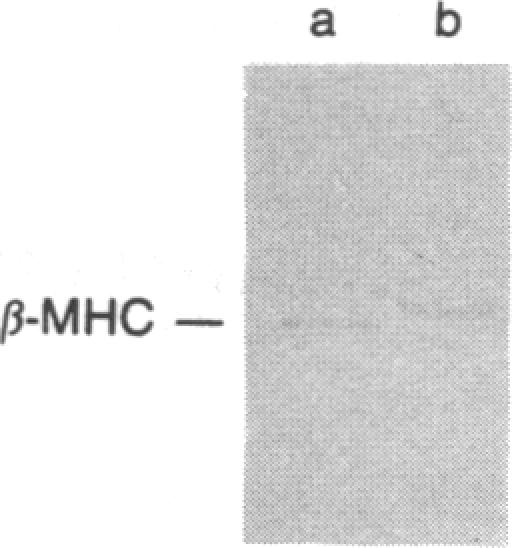
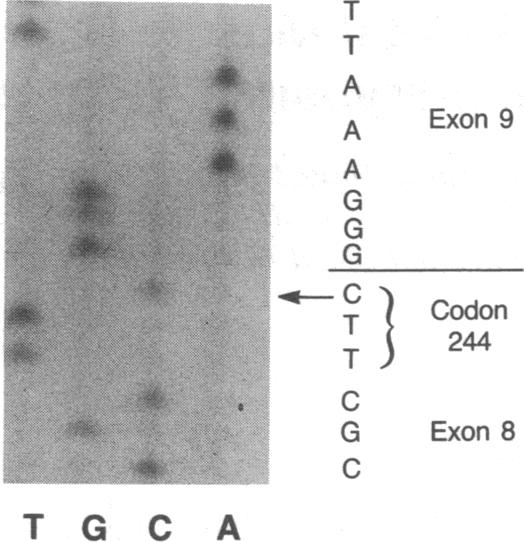
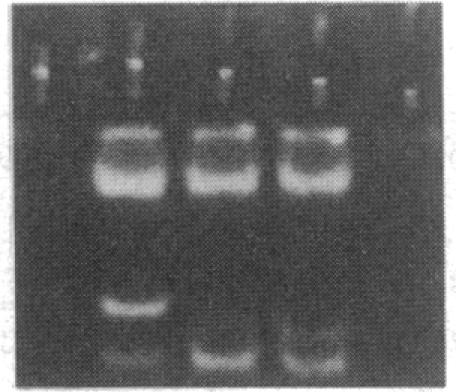
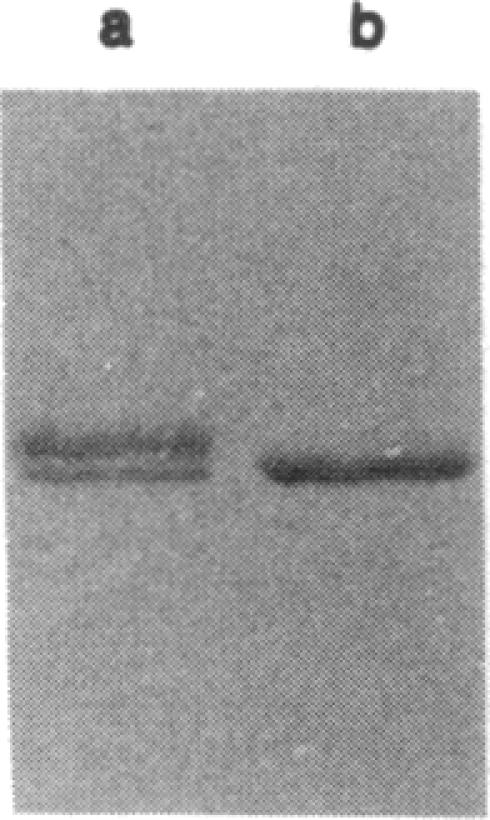
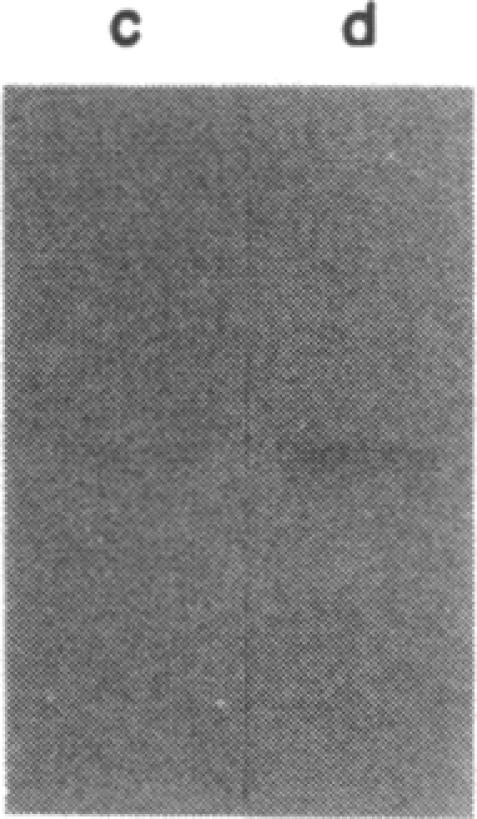
Hypertrophic cardiomyopathy is an important inherited disease. The phenotype has been linked, in some kindreds, to the beta-myosin heavy chain (beta-MHC) gene. Missense and silent mutations in the beta-MHC gene were used as markers to demonstrate the expression of mutant and normal cardiac beta-MHC gene message in skeletal muscle of hypertrophic cardiomyopathy patients. Mutant beta-myosin, also shown to be present in skeletal muscle by Western blot analysis, translocated actin filaments slower than normal controls in an in vitro motility assay. Thus, single amino acid changes in beta-myosin result in abnormal actomyosin interactions, confirming the primary role of missense mutations in beta-MHC gene in the etiology of hypertrophic cardiomyopathy.
肥厚型心肌病是一种重要的遗传性疾病。在一些家族中,其表型与β-肌球蛋白重链(β-MHC)基因有关。β-MHC基因中的错义突变和沉默突变被用作标记,以证明肥厚型心肌病患者骨骼肌中突变型和正常心脏β-MHC基因信息的表达。通过蛋白质印迹分析也表明突变型β-肌球蛋白存在于骨骼肌中,在体外运动分析中,其使肌动蛋白丝移位的速度比正常对照慢。因此,β-肌球蛋白中的单个氨基酸变化会导致肌动球蛋白相互作用异常,证实了β-MHC基因中的错义突变在肥厚型心肌病病因学中的主要作用。