Bagasra O, Michaels F H, Zheng Y M, Bobroski L E, Spitsin S V, Fu Z F, Tawadros R, Koprowski H
Division of Infectious Diseases, Thomas Jefferson University, Philadelphia, PA 19107, USA.
Proc Natl Acad Sci U S A. 1995 Dec 19;92(26):12041-5. doi: 10.1073/pnas.92.26.12041.
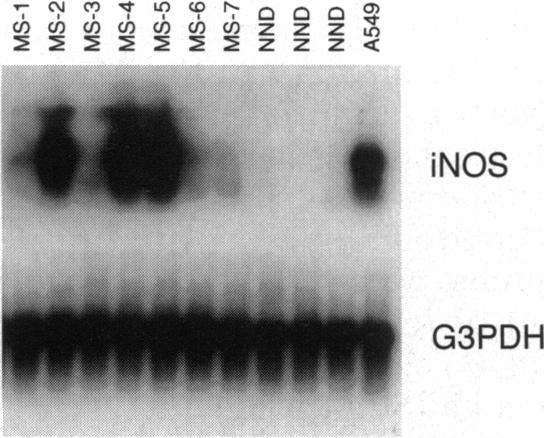
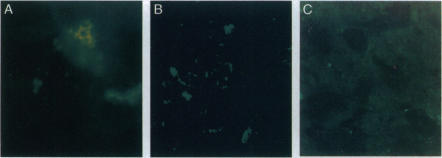
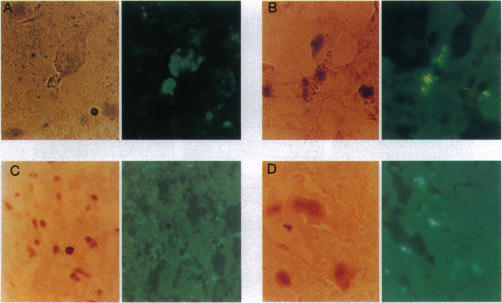
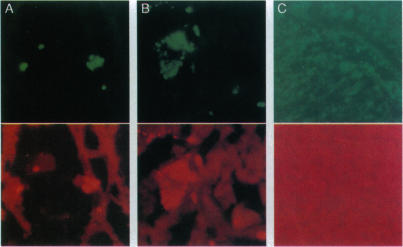
Nitric oxide (NO) has been implicated as a pathogenic mediator in a variety of central nervous system (CNS) disease states, including the animal model of multiple sclerosis (MS) and experimental allergic encephalomyelitis. We have examined post-mortem brain tissues collected from patients previously diagnosed with MS, as well as tissues collected from the brains of patients dying without neuropathies. Both Northern blot analysis and reverse transcriptase (RT)-driven in situ PCR (RT-in situ PCR) studies demonstrated that inducible NO synthase (iNOS) mRNA was present in the brain tissues from MS patients but was absent in equivalent tissues from normal controls. We have also performed experiments identifying the cell type responsible for iNOS expression by RT-in situ PCR in combination with immunohistochemistry. Concomitantly, we analyzed the tissues for the presence of the NO reaction product nitrotyrosine to demonstrate the presence of a protein nitrosylation adduct. We report here that iNOS mRNA was detectable in the brains of 100% of the CNS tissues from seven MS patients examined but in none of the three normal brains. RT-in situ PCR experiments also demonstrated the presence of iNOS mRNA in the cytoplasm of cells that also expressed the ligand recognized by the Ricinus communis agglutinin 1 (RCA-1), a monocyte/macrophage lineage marker. Additionally, specific labeling of cells was observed when brain tissues from MS patients were exposed to antisera reactive with nitrotyrosine residues but was significantly less plentiful in brain tissue from patients without CNS disease. These results demonstrate that iNOS, one of the enzymes responsible for the production of NO, is expressed at significant levels in the brains of patients with MS and may contribute to the pathology associated with the disease.
一氧化氮(NO)已被认为是多种中枢神经系统(CNS)疾病状态下的致病介质,包括多发性硬化症(MS)动物模型和实验性变应性脑脊髓炎。我们检查了从先前被诊断为MS的患者身上采集的尸检脑组织,以及从无神经病变死亡患者的大脑中采集的组织。Northern印迹分析和逆转录酶(RT)驱动的原位PCR(RT-原位PCR)研究均表明,诱导型一氧化氮合酶(iNOS)mRNA存在于MS患者的脑组织中,而在正常对照的相应组织中不存在。我们还进行了实验,通过RT-原位PCR结合免疫组织化学来确定负责iNOS表达的细胞类型。同时,我们分析了组织中是否存在NO反应产物硝基酪氨酸,以证明蛋白质亚硝基化加合物的存在。我们在此报告,在所检查的7例MS患者的100%的CNS组织大脑中可检测到iNOS mRNA,但在3例正常大脑中均未检测到。RT-原位PCR实验还表明,iNOS mRNA存在于同时表达蓖麻凝集素1(RCA-1,一种单核细胞/巨噬细胞谱系标记物)识别的配体的细胞胞质中。此外,当MS患者的脑组织与与硝基酪氨酸残基反应的抗血清接触时,观察到细胞的特异性标记,但在无CNS疾病患者的脑组织中明显较少。这些结果表明,iNOS是负责产生NO的酶之一,在MS患者的大脑中大量表达,并可能导致与该疾病相关的病理变化。