Cattell V, Bradfield J W
Am J Pathol. 1977 Jun;87(3):511-24.
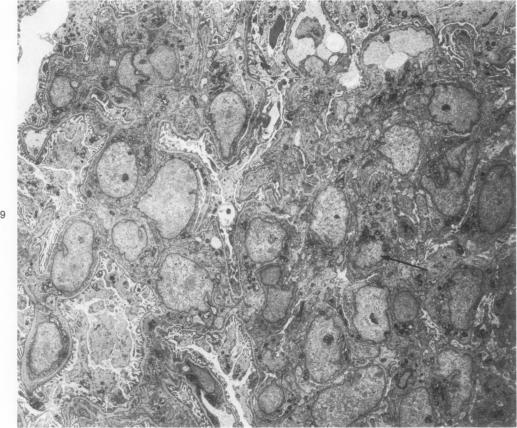
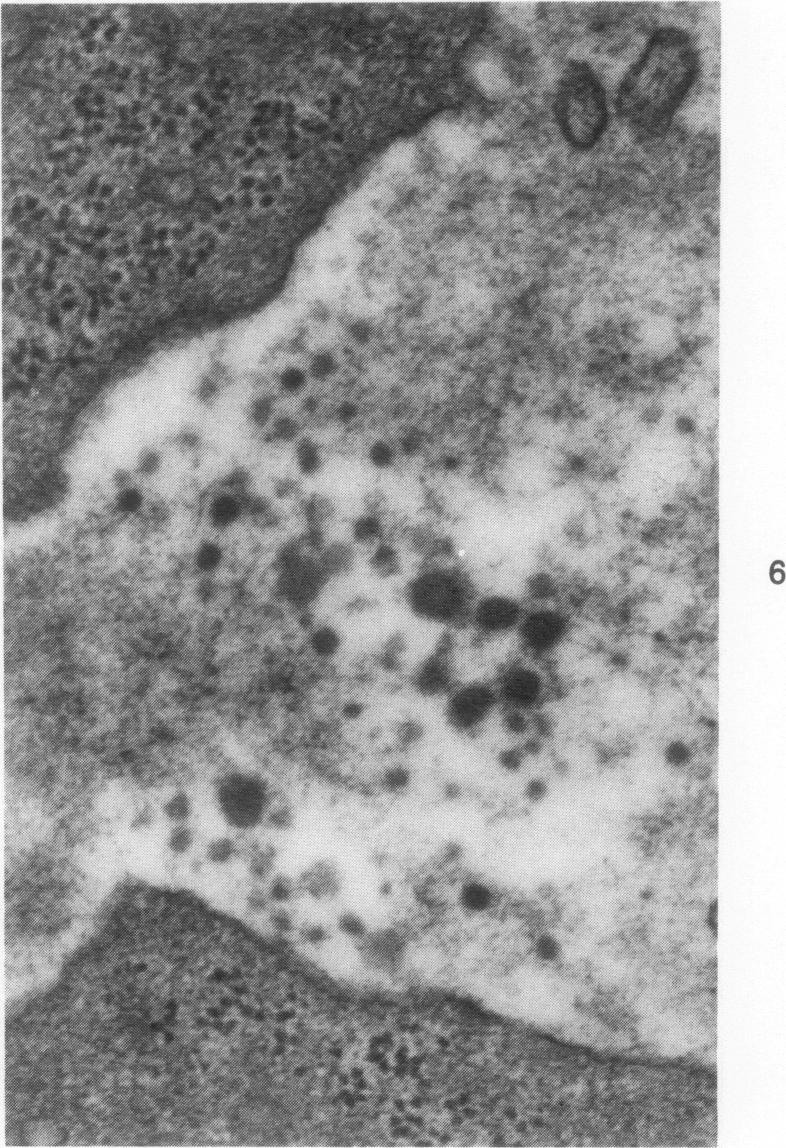
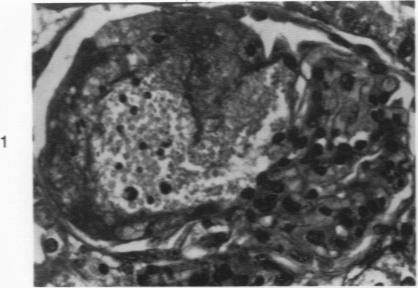
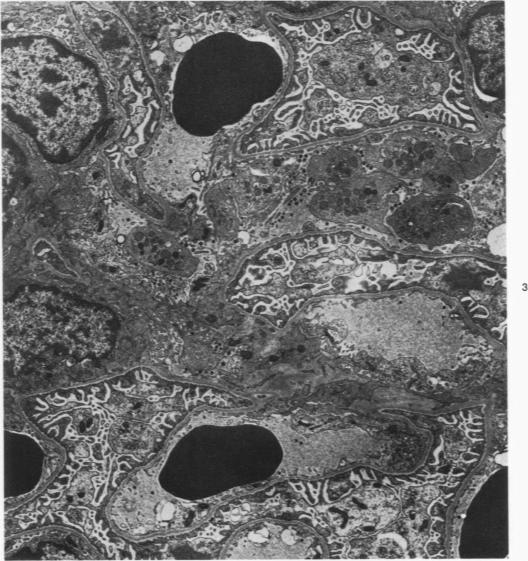
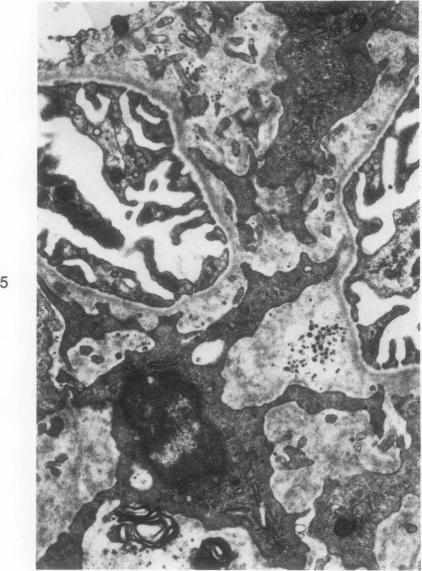
A new model of focal mesangial proliferative glomerulonephritis in the rat has been produced by intravenous habu snake venom. Glomerulonephritis developed in 70% of rats surviving the first 6 hours after venom administration. The earliest ultrastructural change (10 minutes after venom) was the presence of loose platelet aggregates and free granules in the capillary lumen and mesangium. This was followed by dissolution of the matrix and endothelial damage. Between 4 and 24 hours, a characteristic focal and segmental ballooned lesion of glomerular capillaries developed. In these lesions, from 3 days onwards a segmental mesangial proliferation occurred, which persisted until sacrifice at 21 days.
通过静脉注射蝮蛇毒,已建立了一种大鼠局灶性系膜增生性肾小球肾炎的新模型。在给予毒液后最初6小时存活的大鼠中,70%发生了肾小球肾炎。最早的超微结构变化(毒液注射后10分钟)是毛细血管腔和系膜中出现松散的血小板聚集体和游离颗粒。随后是基质溶解和内皮损伤。在4至24小时之间,出现了肾小球毛细血管特征性的局灶性节段性气球样病变。在这些病变中,从第3天起出现节段性系膜增生,一直持续到21天处死时。