Saint-Pol A, Bauvy C, Codogno P, Moore S E
Unité de Neuroendocrinologie et Biologie Cellulaire Digestives, Institut National de la Santé et de la Recherche Médicale, Faculté de Médecine Xavier Bichat, Paris, France.
J Cell Biol. 1997 Jan 13;136(1):45-59. doi: 10.1083/jcb.136.1.45.
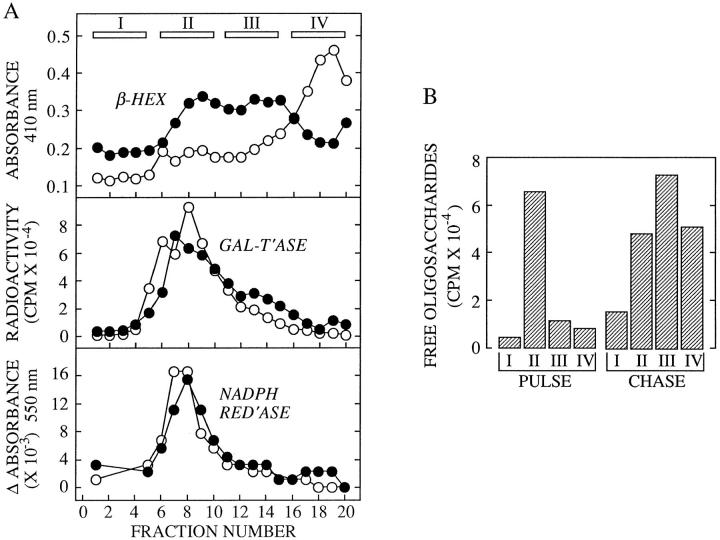
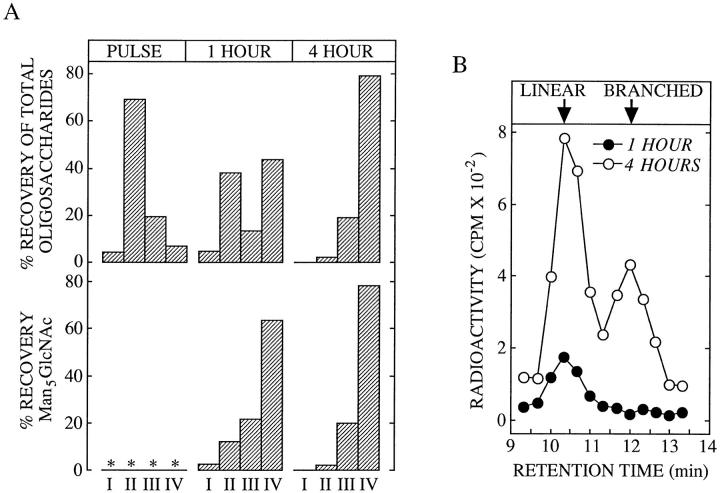
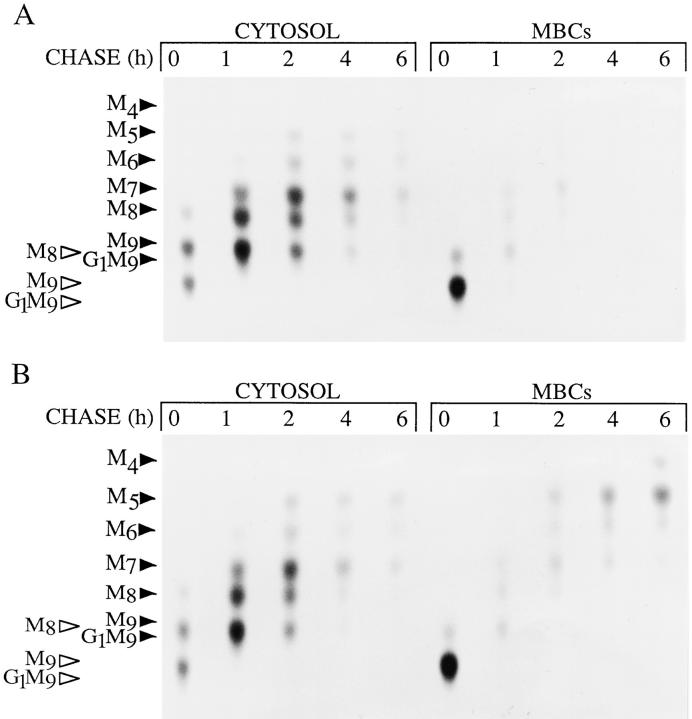
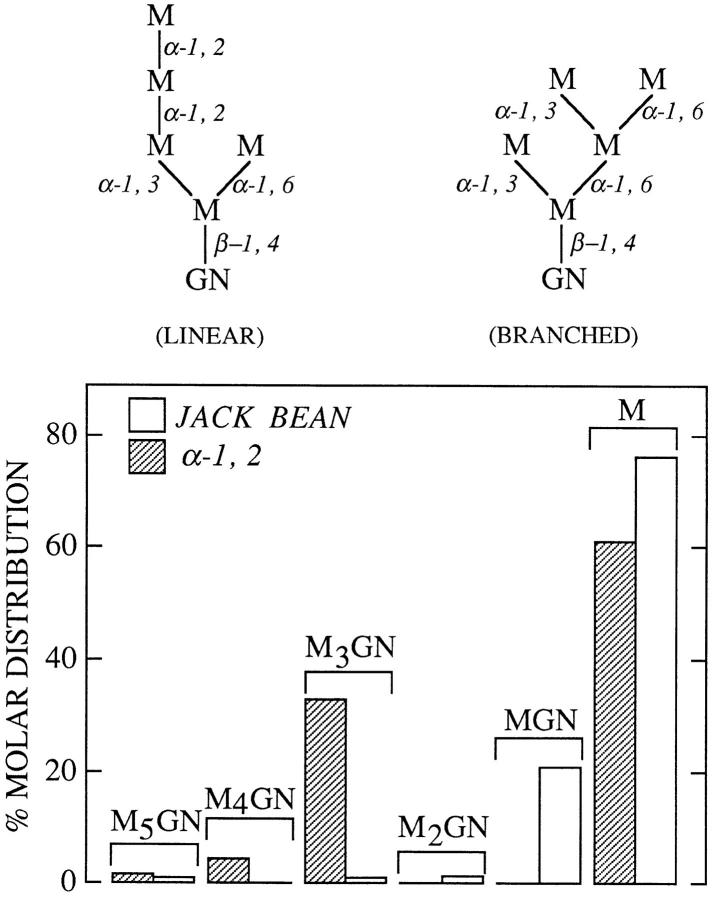
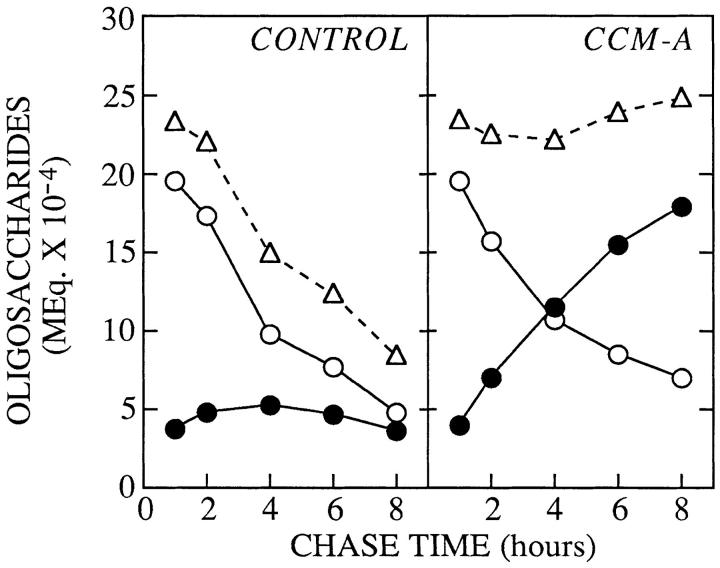
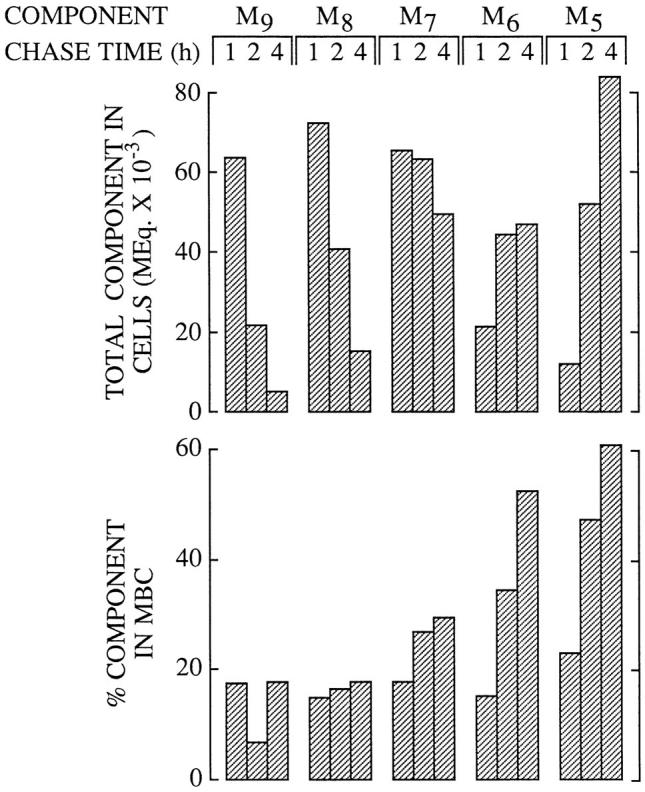
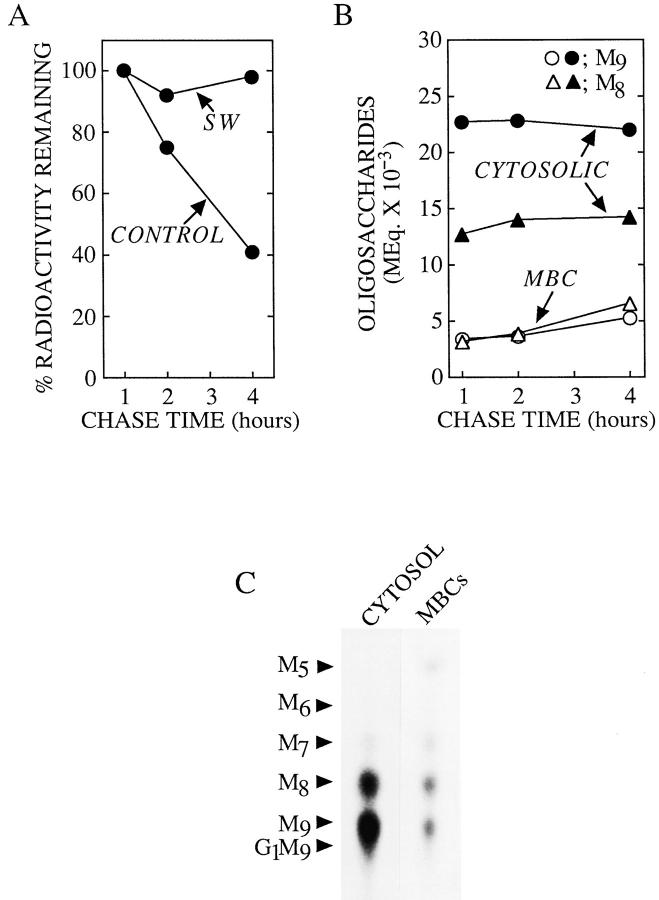
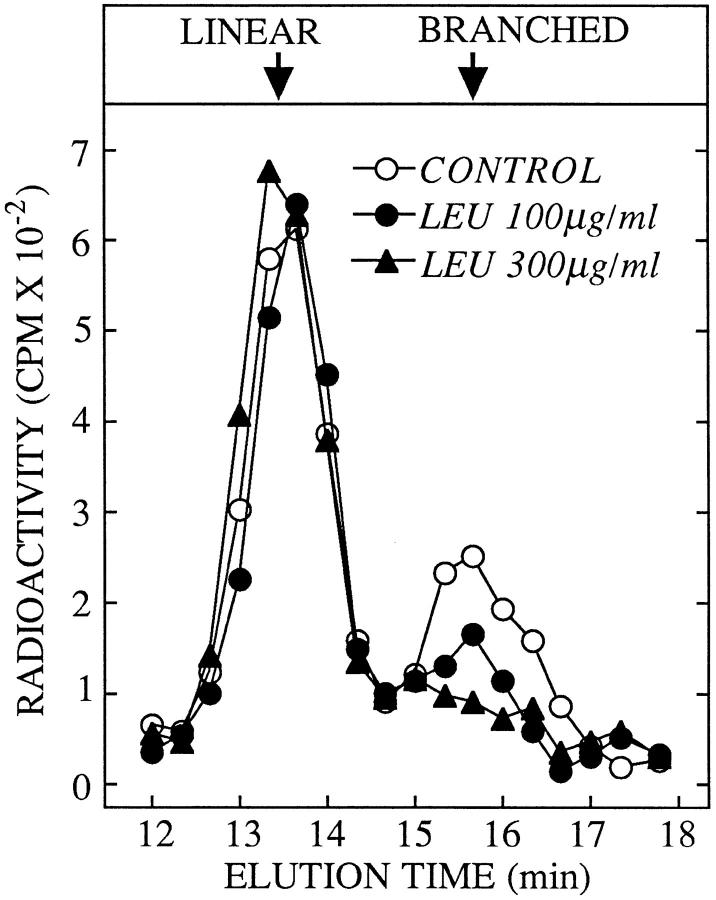
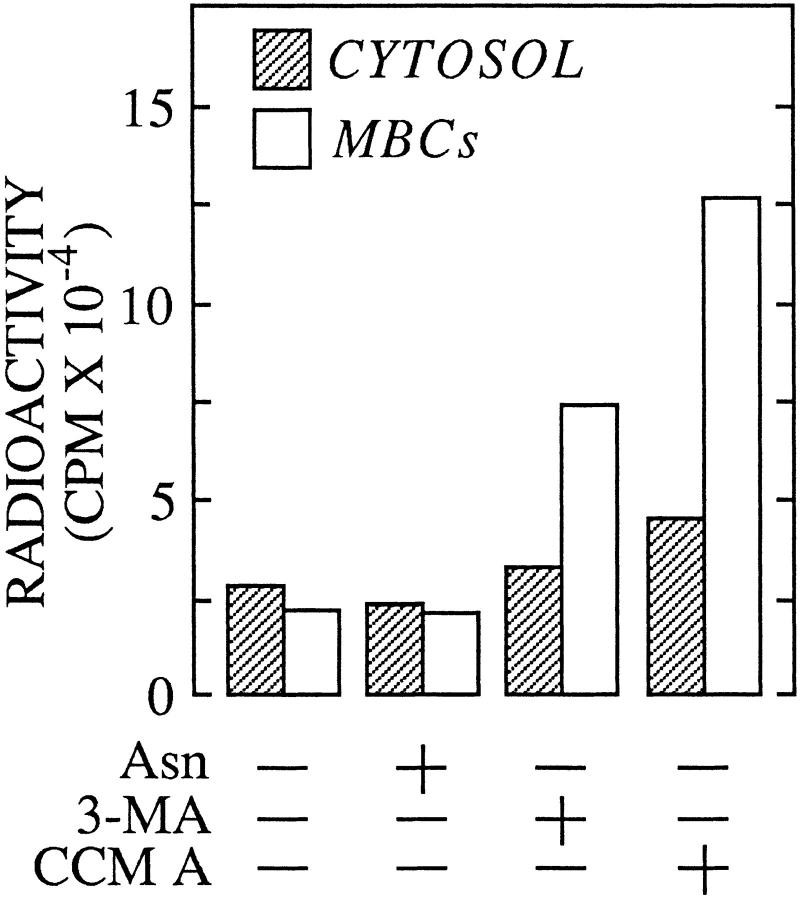
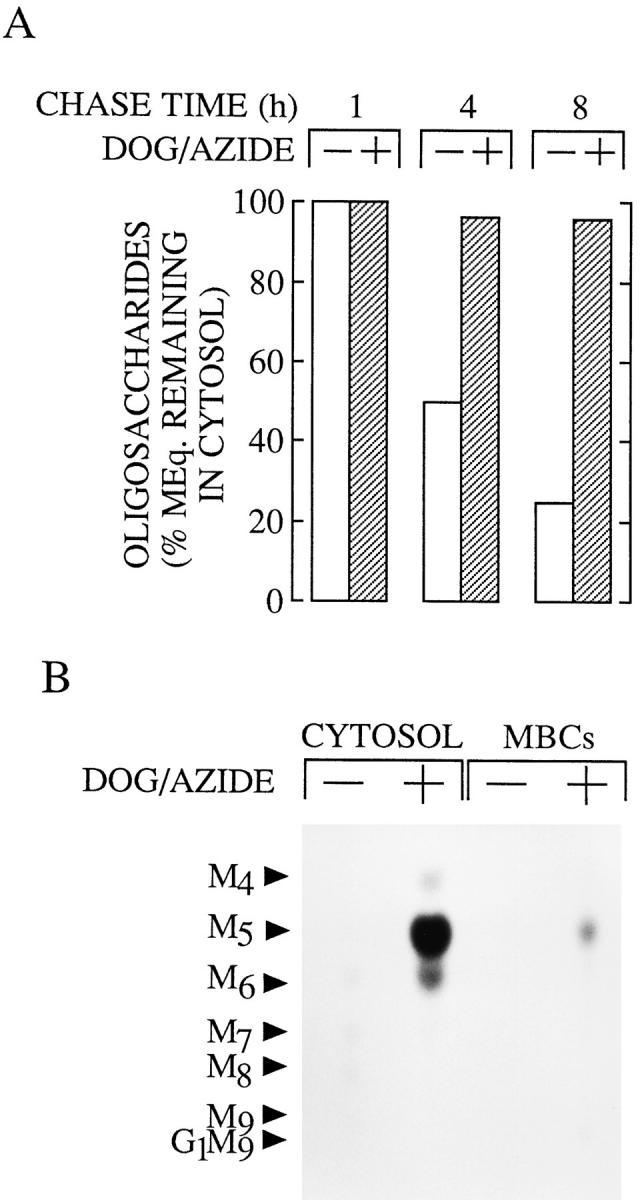
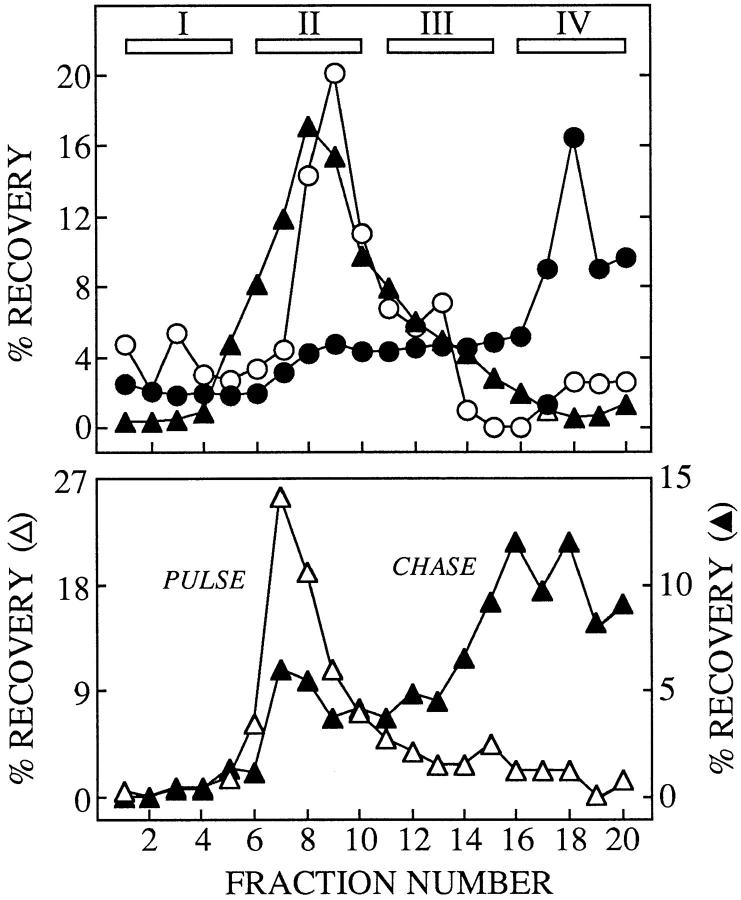
Large, free polymannose oligosaccharides generated during glycoprotein biosynthesis rapidly appear in the cytosol of HepG2 cells where they undergo processing by a cytosolic endo H-like enzyme and a mannosidase to yield the linear isomer of Man5GlcNAc (Man[alpha 1-2]Man[alpha 1-2]Man[alpha 1-3][Man alpha 1-6]Man[beta 1-4] GlcNAc). Here we have examined the fate of these partially trimmed oligosaccharides in intact HepG2 cells. Subsequent to pulse-chase incubations with D-[2-3H]mannose followed by permeabilization of cells with streptolysin O free oligosaccharides were isolated from the resulting cytosolic and membrane-bound compartments. Control pulse-chase experiments revealed that total cellular free oligosaccharides are lost from HepG2 cells with a half-life of 3-4 h. In contrast use of the vacuolar H+/ATPase inhibitor, concanamycin A, stabilized total cellular free oligosaccharides and enabled us to demonstrate a translocation of partially trimmed oligosaccharides from the cytosol into a membrane-bound compartment. This translocation process was unaffected by inhibitors of autophagy but inhibited if cells were treated with either 100 microM swainsonine, which provokes a cytosolic accumulation of large free oligosaccharides bearing 8-9 residues of mannose, or agents known to reduce cellular ATP levels which lead to the accumulation of the linear isomer of Man5GlcNAc in the cytosol. Subcellular fractionation studies on Percoll density gradients revealed that the cytosol-generated linear isomer of Man5GlcNAc is degraded in a membrane-bound compartment that cosediments with lysosomes.
糖蛋白生物合成过程中产生的大型游离多聚甘露糖寡糖迅速出现在HepG2细胞的胞质溶胶中,在那里它们会被一种胞质内类似内切糖苷酶H的酶和一种甘露糖苷酶加工,生成Man5GlcNAc的线性异构体(Man[α1-2]Man[α1-2]Man[α1-3][Manα1-6]Man[β1-4]GlcNAc)。在这里,我们研究了这些部分修剪的寡糖在完整HepG2细胞中的命运。在用D-[2-³H]甘露糖进行脉冲追踪孵育,随后用链球菌溶血素O使细胞通透后,从所得的胞质溶胶和膜结合区室中分离出游离寡糖。对照脉冲追踪实验表明,HepG2细胞中总的细胞游离寡糖以3 - 4小时的半衰期丢失。相比之下,使用液泡H⁺/ATP酶抑制剂 concanamycin A可稳定总的细胞游离寡糖,并使我们能够证明部分修剪的寡糖从胞质溶胶转运到膜结合区室。这种转运过程不受自噬抑制剂的影响,但如果用100微摩尔的swainsonine(它会导致带有8 - 9个甘露糖残基的大型游离寡糖在胞质溶胶中积累)或已知会降低细胞ATP水平从而导致胞质溶胶中Man5GlcNAc线性异构体积累的试剂处理细胞,则会受到抑制。在Percoll密度梯度上进行的亚细胞分级分离研究表明,胞质溶胶中产生的Man5GlcNAc线性异构体在与溶酶体共沉降的膜结合区室中被降解。