Zhong G, Romagnoli P, Germain R N
Lymphocyte Biology Section, National Institute of Allergy and Infectious Disease, National Institutes of Health, Bethesda, Maryland 20892-1892, USA.
J Exp Med. 1997 Feb 3;185(3):429-38. doi: 10.1084/jem.185.3.429.
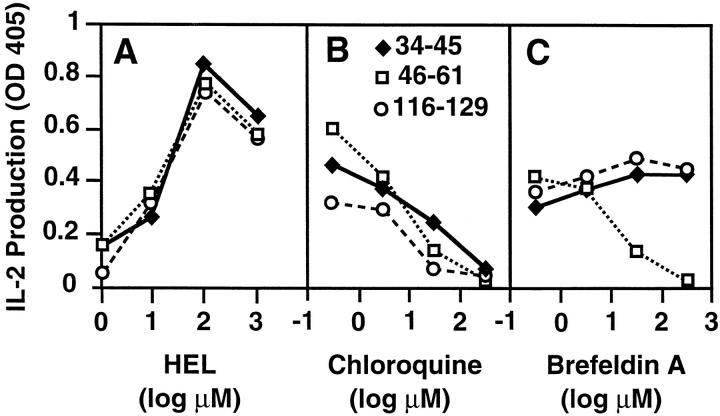
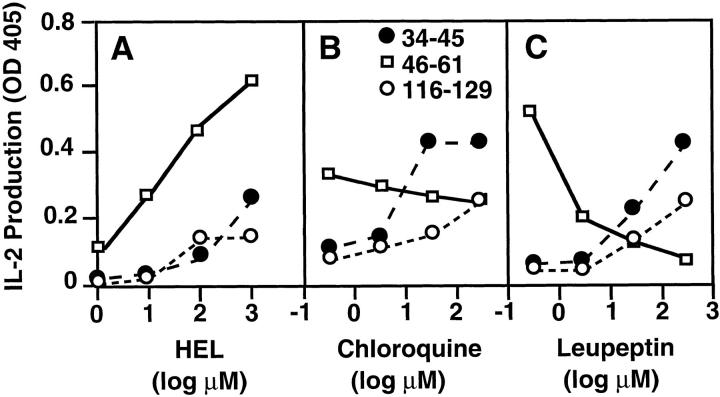
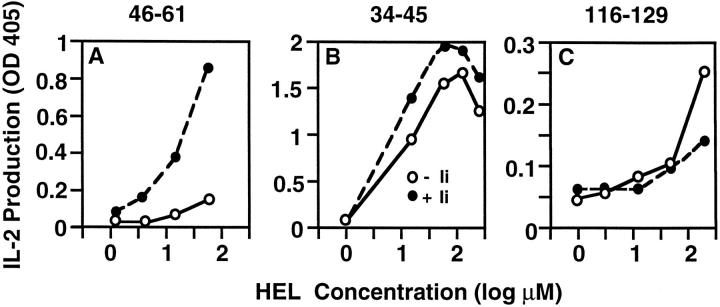
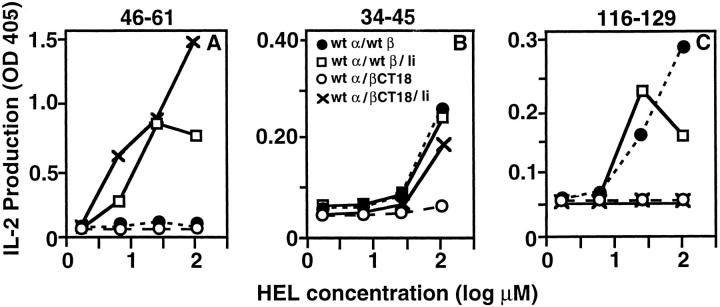
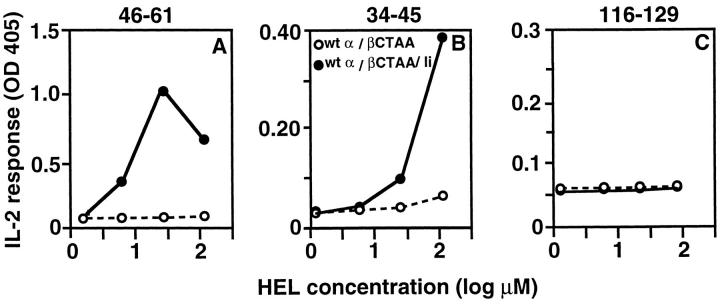
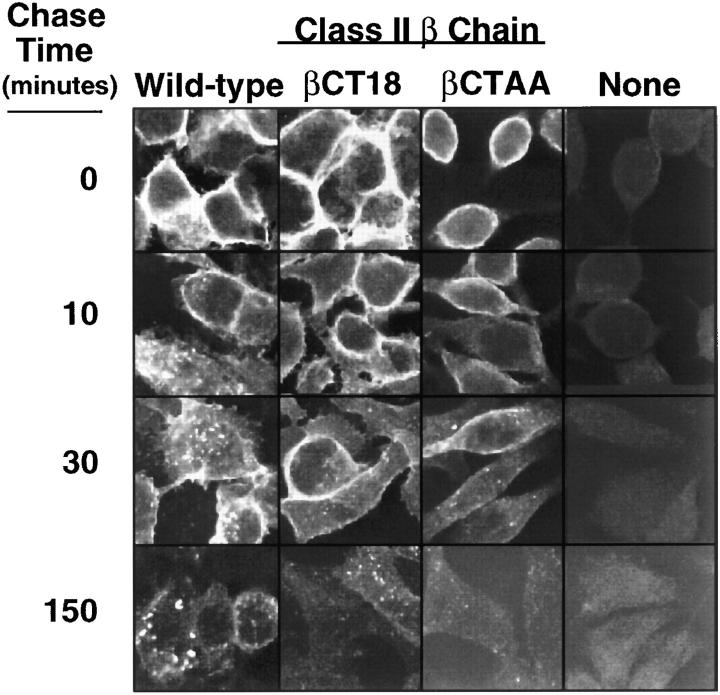
Leucine-based signals in the cytoplasmic tail of invariant chain (Ii) control targeting of newly synthesized major histocompatibility complex class II molecules to the endocytic pathway for acquisition of antigenic peptides. Some protein determinants, however, do not require Ii for effective class II presentation, although endocytic processing is still necessary. Here we demonstrate that a dileucine-based signal in the cytoplasmic tail of the class II beta chain is critical for this Ii-independent presentation. Elimination or mutation of this signal reduces the rate of re-entry of mature surface class II molecules into the endocytic pathway. Antigen presentation controlled by this signal does not require newly synthesized class II molecules and appears to involve determinants requiring only limited proteolysis for exposure, whereas the opposite is true for li-dependent determinants. This demonstrates that related leucine-based trafficking signals in li and class II control the functional presentation of protein determinants with distinct processing requirements, suggesting that the peptide binding sites of newly synthesized versus mature class II molecules are made available for antigen binding in distinct endocytic compartments under the control of these homologous cytoplasmic signals. This permits capture of protein fragments produced optimally under distinct conditions of pH and proteolytic activity.
恒定链(Ii)胞质尾中的亮氨酸基信号控制新合成的主要组织相容性复合体II类分子靶向内吞途径以获取抗原肽。然而,一些蛋白质决定簇在有效的II类提呈过程中并不需要Ii,尽管内吞加工仍然是必需的。在此我们证明,II类β链胞质尾中的一个基于双亮氨酸的信号对于这种不依赖Ii的提呈至关重要。消除或突变该信号会降低成熟表面II类分子重新进入内吞途径的速率。由该信号控制的抗原提呈不需要新合成的II类分子,并且似乎涉及仅需有限蛋白酶解就能暴露的决定簇,而依赖Ii的决定簇则相反。这表明Ii和II类中相关的基于亮氨酸的转运信号控制具有不同加工要求的蛋白质决定簇的功能性提呈,这表明新合成的与成熟的II类分子的肽结合位点在这些同源胞质信号的控制下在不同的内吞区室中可用于抗原结合。这允许捕获在不同pH和蛋白酶解活性条件下最佳产生的蛋白质片段。