Mathisen P M, Yu M, Johnson J M, Drazba J A, Tuohy V K
The Cleveland Clinic Foundation, Research Institute, Department of Immunology, FFb-1, Cleveland, Ohio 44195, USA.
J Exp Med. 1997 Jul 7;186(1):159-64. doi: 10.1084/jem.186.1.159.
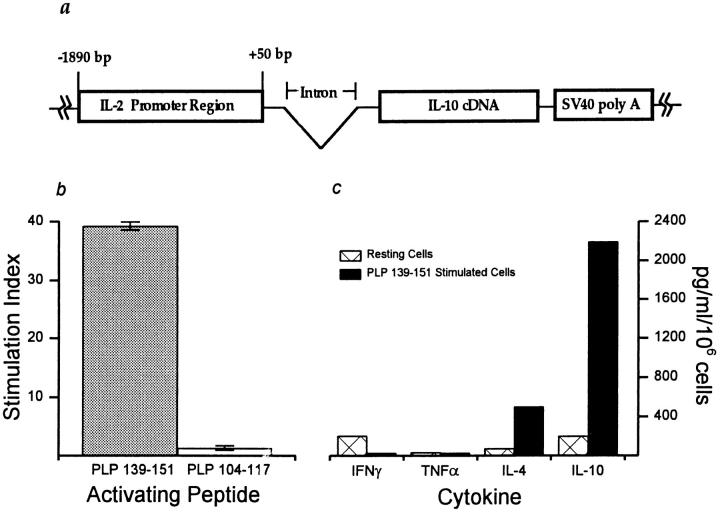
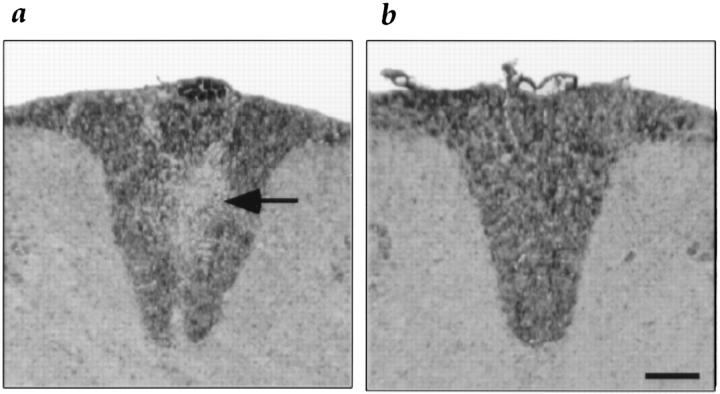
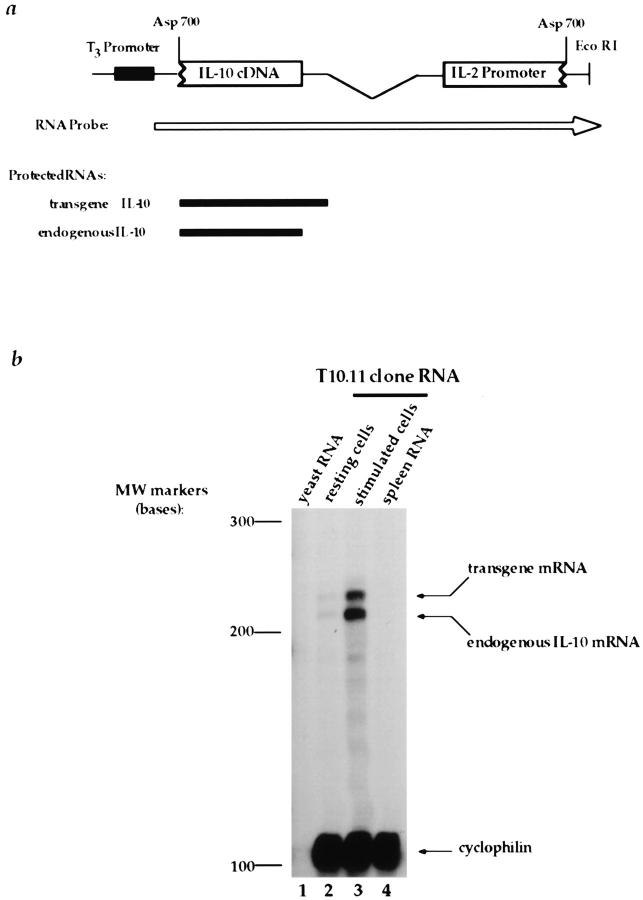
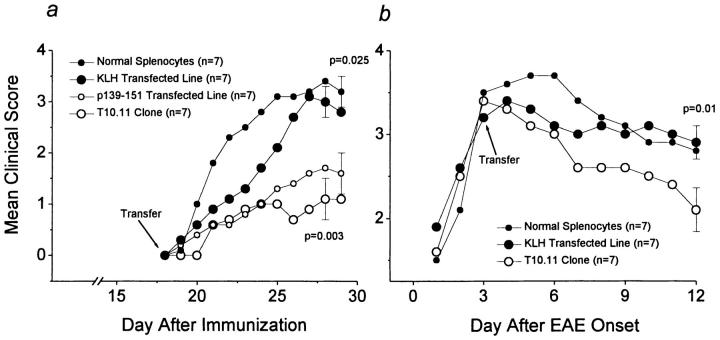
The migratory properties of memory T cells provide a model vector system for site-specific delivery of therapeutic transgene factors to autoimmune inflammatory lesions. Lymph node cells from (SWRxSJL)F1 mice immunized with the p139-151 determinant of myelin proteolipid protein (PLP) were transfected with a DNA construct that placed the anti-inflammatory cytokine interleukin-10 (IL-10) cDNA under control of an antigen-inducible IL-2 promoter region. Isolated T cell clones demonstrated antigen-inducible expression of transgene IL-10 and expressed cell surface markers consistent with the phenotype of normal memory T cells. Upon adoptive transfer, transfected T cell clones were able to inhibit onset of experimental autoimmune encephalomyelitis (EAE) and to treat EAE animals therapeutically after onset of neurologic signs. Semiquantitative immunocytochemistry showed a significant correlation between decreased demyelination and treatment with the transfected T cells. Taken together, these data indicate the autoreactive T cells can be genetically designed to produce therapeutic factors in an antigen-inducible manner resulting in a decreased severity of clinical and histological autoimmune demyelinating disease.
记忆性T细胞的迁移特性为将治疗性转基因因子位点特异性递送至自身免疫性炎症病灶提供了一个模型载体系统。用髓鞘蛋白脂蛋白(PLP)的p139 - 151决定簇免疫的(SWRxSJL)F1小鼠的淋巴结细胞,用一种DNA构建体进行转染,该构建体将抗炎细胞因子白细胞介素-10(IL-10)cDNA置于抗原诱导性IL-2启动子区域的控制之下。分离出的T细胞克隆表现出转基因IL-10的抗原诱导性表达,并表达与正常记忆性T细胞表型一致的细胞表面标志物。过继转移后,转染的T细胞克隆能够抑制实验性自身免疫性脑脊髓炎(EAE)的发病,并在神经症状出现后对EAE动物进行治疗。半定量免疫细胞化学显示脱髓鞘减少与转染的T细胞治疗之间存在显著相关性。综上所述,这些数据表明自身反应性T细胞可以通过基因设计以抗原诱导的方式产生治疗因子,从而降低临床和组织学自身免疫性脱髓鞘疾病的严重程度。