Dehouck B, Fenart L, Dehouck M P, Pierce A, Torpier G, Cecchelli R
Institut National de la Santé et de la Recherche Médicale U325, Department of Atherosclerosis Institut Pasteur, Lille, France.
J Cell Biol. 1997 Aug 25;138(4):877-89. doi: 10.1083/jcb.138.4.877.
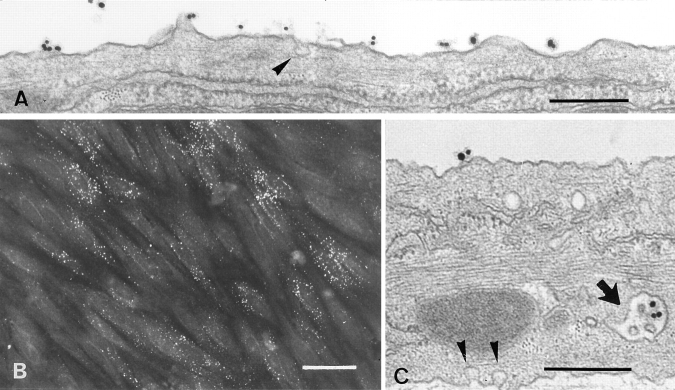
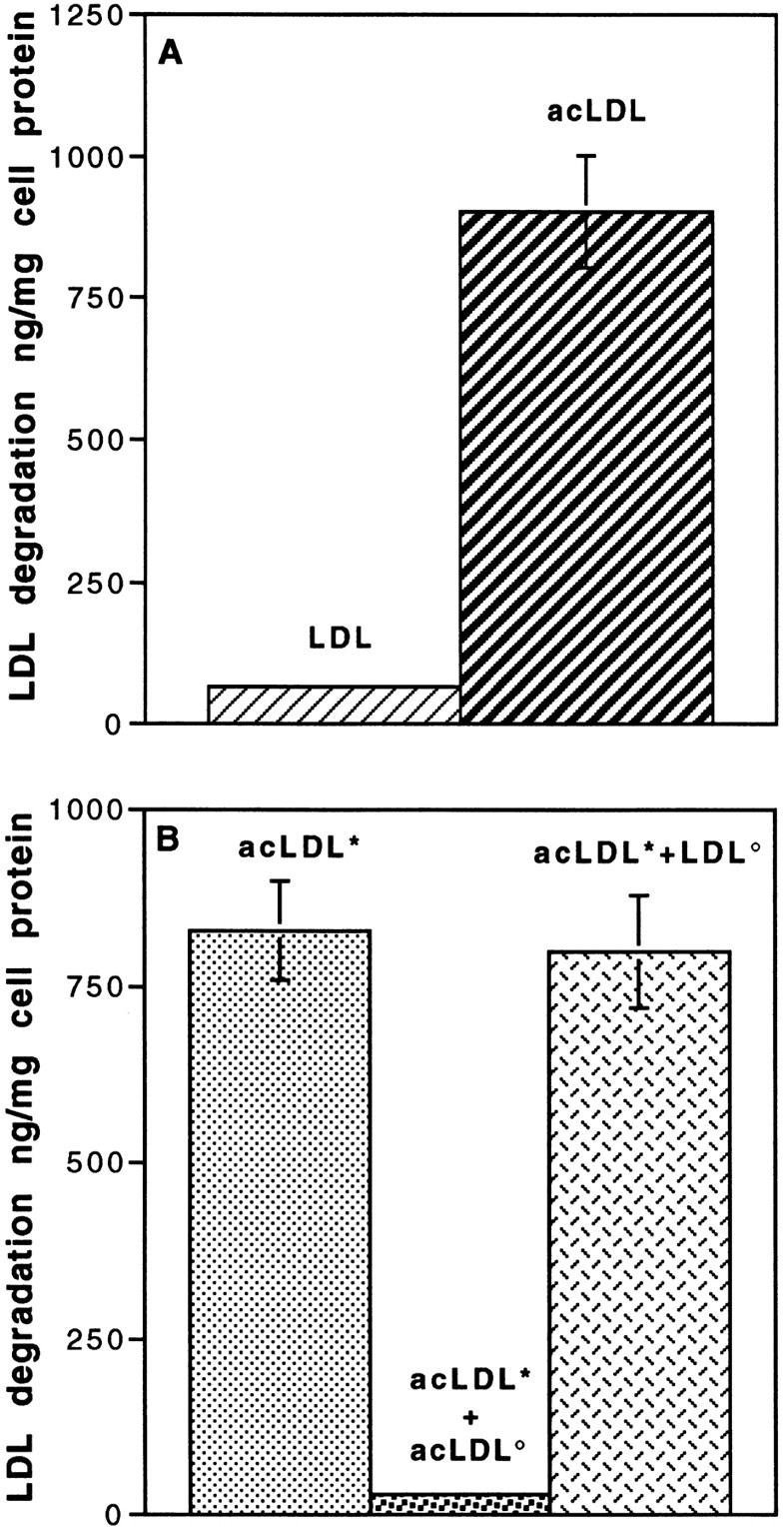
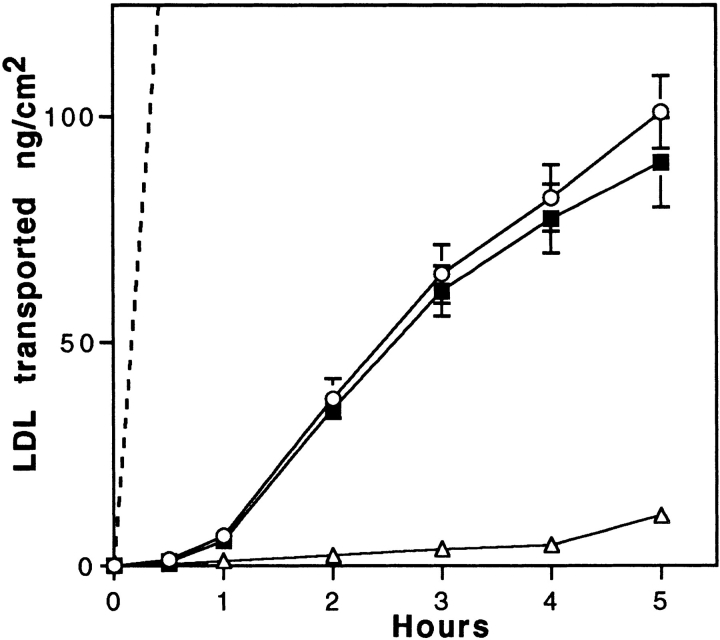
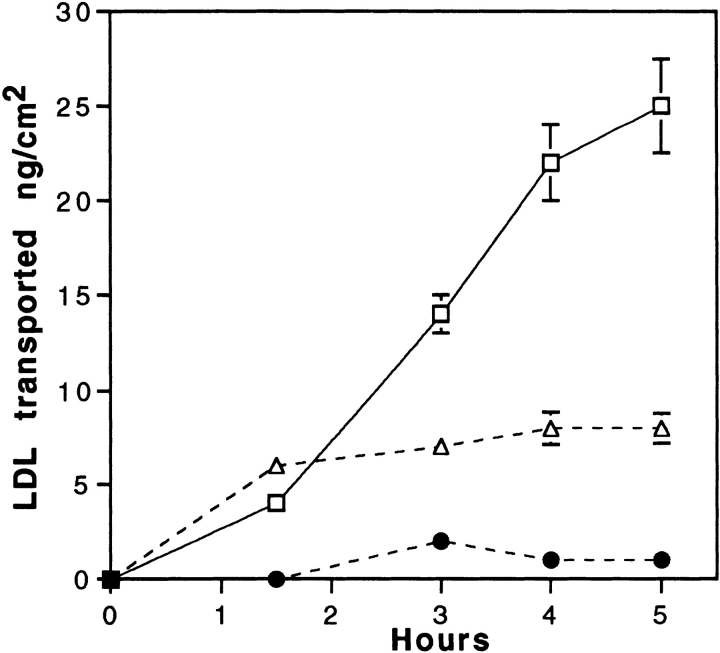
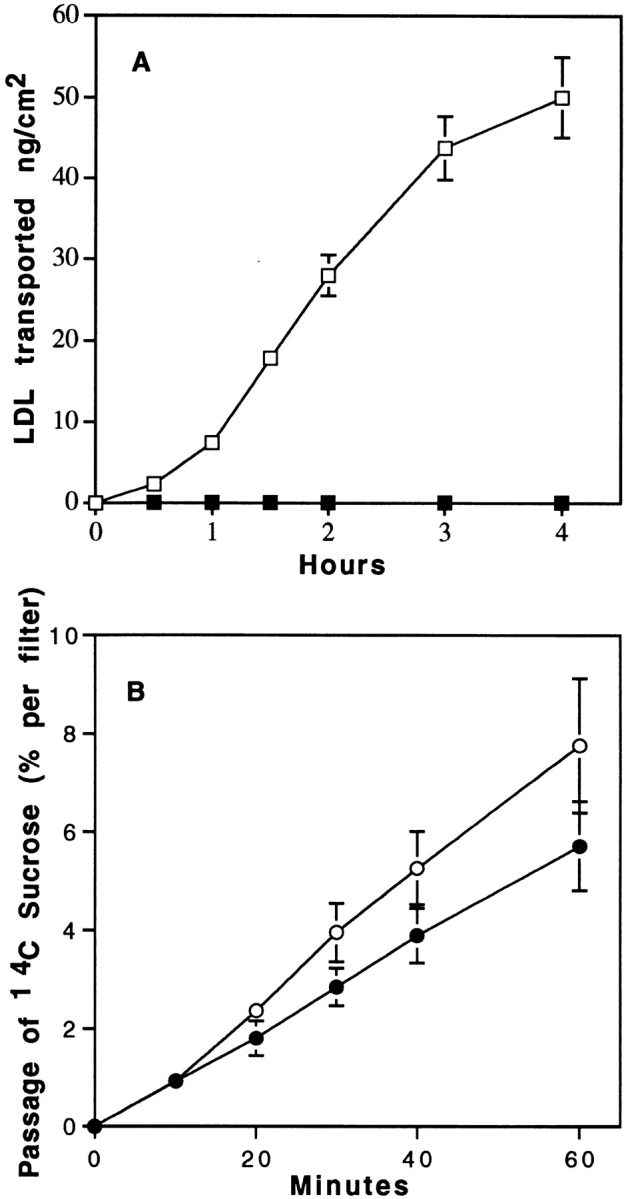
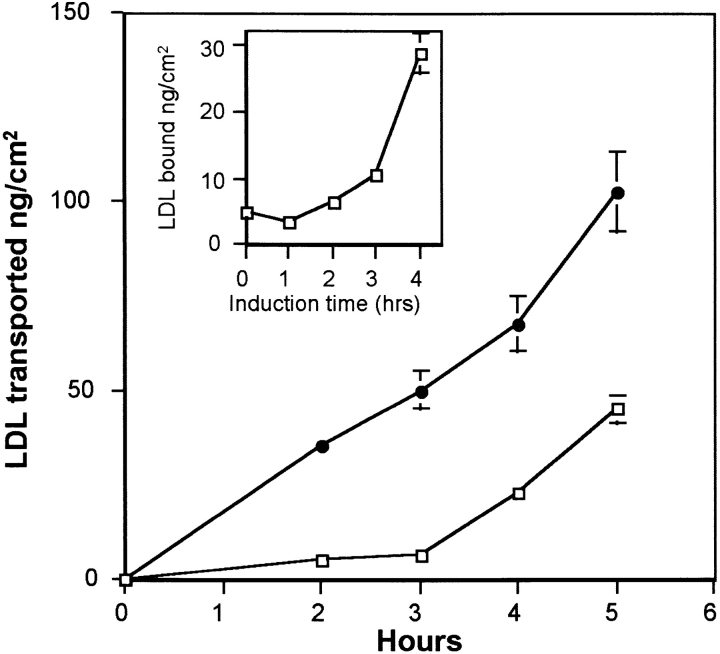
Lipoprotein transport across the blood-brain barrier (BBB) is of critical importance for the delivery of essential lipids to the brain cells. The occurrence of a low density lipoprotein (LDL) receptor on the BBB has recently been demonstrated. To examine further the function of this receptor, we have shown using an in vitro model of the BBB, that in contrast to acetylated LDL, which does not cross the BBB, LDL is specifically transcytosed across the monolayer. The C7 monoclonal antibody, known to interact with the LDL receptor-binding domain, totally blocked the transcytosis of LDL, suggesting that the transcytosis is mediated by the receptor. Furthermore, we have shown that cholesterol-depleted astrocytes upregulate the expression of the LDL receptor at the BBB. Under these conditions, we observed that the LDL transcytosis parallels the increase in the LDL receptor, indicating once more that the LDL is transcytosed by a receptor-mediated mechanism. The nondegradation of the LDL during the transcytosis indicates that the transcytotic pathway in brain capillary endothelial cells is different from the LDL receptor classical pathway. The switch between a recycling receptor to a transcytotic receptor cannot be explained by a modification of the internalization signals of the cytoplasmic domain of the receptor, since we have shown that LDL receptor messengers in growing brain capillary ECs (recycling LDL receptor) or differentiated cells (transcytotic receptor) are 100% identical, but we cannot exclude posttranslational modifications of the cytoplasmic domain, as demonstrated for the polymeric immunoglobulin receptor. Preliminary studies suggest that caveolae are likely to be involved in the potential transport of LDL from the blood to the brain.
脂蛋白穿过血脑屏障(BBB)对于向脑细胞输送必需脂质至关重要。最近已证实血脑屏障上存在低密度脂蛋白(LDL)受体。为了进一步研究该受体的功能,我们使用血脑屏障的体外模型表明,与不能穿过血脑屏障的乙酰化LDL不同,LDL可特异性地经细胞转运穿过单层细胞。已知与LDL受体结合域相互作用的C7单克隆抗体完全阻断了LDL的经细胞转运,这表明经细胞转运是由该受体介导的。此外,我们还表明,胆固醇耗竭的星形胶质细胞可上调血脑屏障处LDL受体的表达。在这些条件下,我们观察到LDL的经细胞转运与LDL受体的增加平行,这再次表明LDL是通过受体介导的机制进行经细胞转运的。LDL在经细胞转运过程中未被降解,这表明脑毛细血管内皮细胞中的经细胞转运途径与LDL受体的经典途径不同。从循环受体转变为经细胞转运受体无法通过受体胞质结构域内化信号的修饰来解释,因为我们已经表明,生长中的脑毛细血管内皮细胞(循环LDL受体)或分化细胞(经细胞转运受体)中的LDL受体信使RNA是完全相同的,但我们不能排除胞质结构域的翻译后修饰,就像多聚免疫球蛋白受体那样。初步研究表明,小窝可能参与了LDL从血液到大脑的潜在转运。