Song W, Kong H L, Carpenter H, Torii H, Granstein R, Rafii S, Moore M A, Crystal R G
Division of Pulmonary and Critical Care Medicine, The New York Hospital-Cornell Medical Center 10021, USA.
J Exp Med. 1997 Oct 20;186(8):1247-56. doi: 10.1084/jem.186.8.1247.
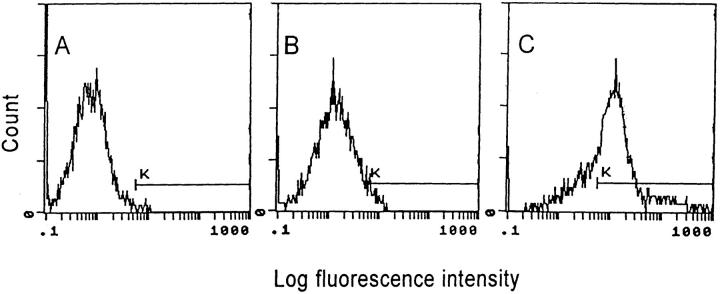
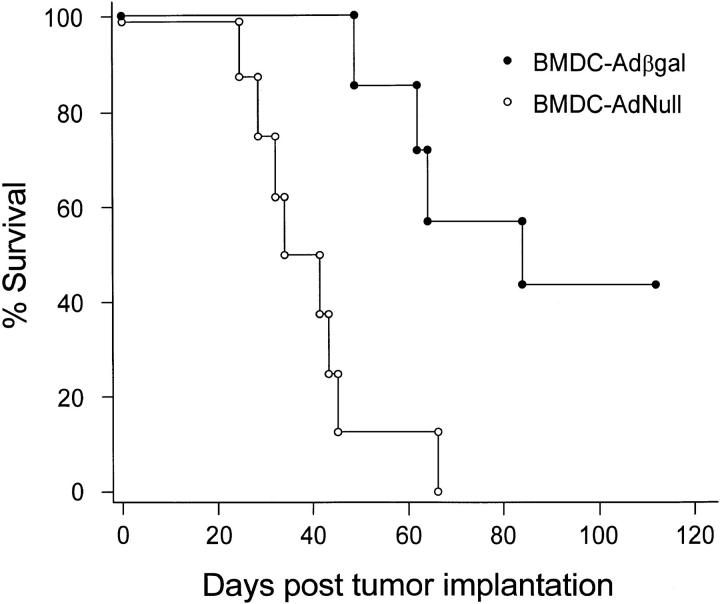
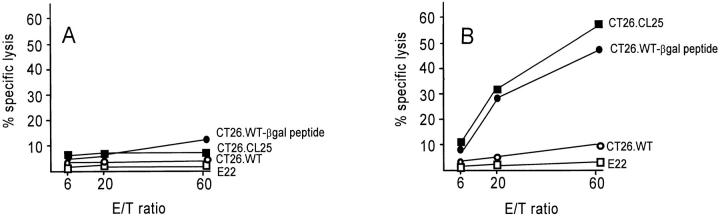
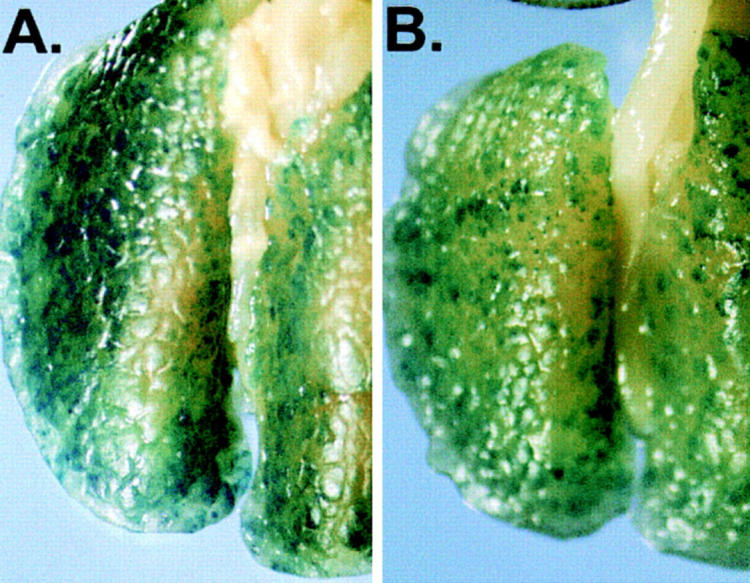
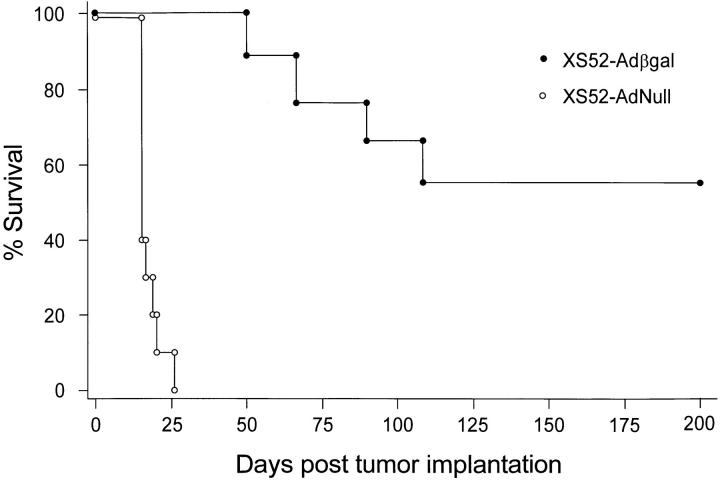
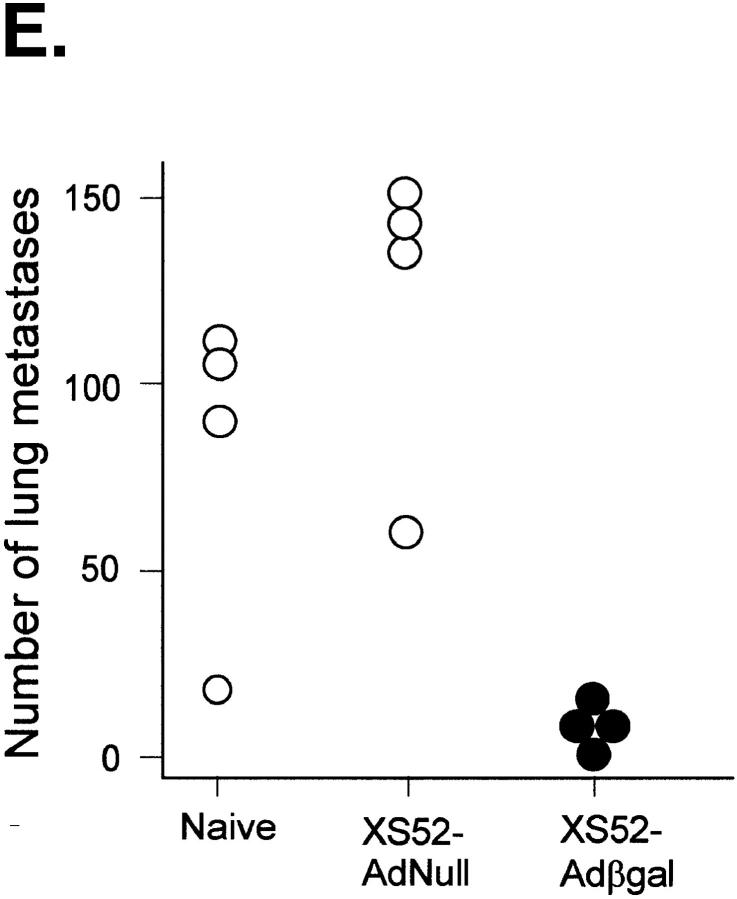
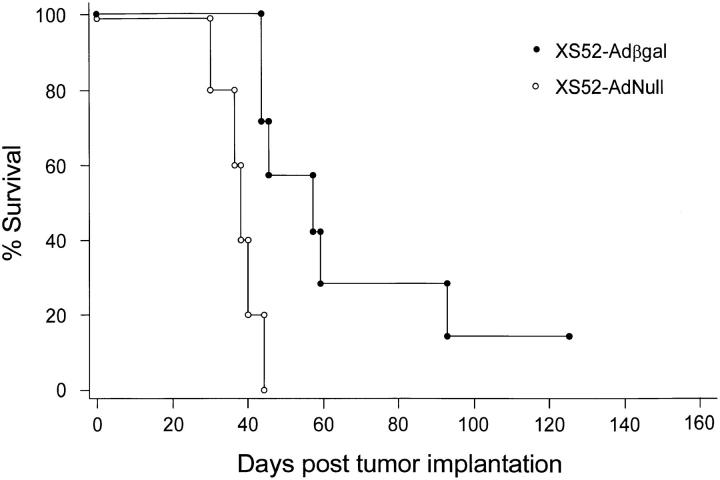
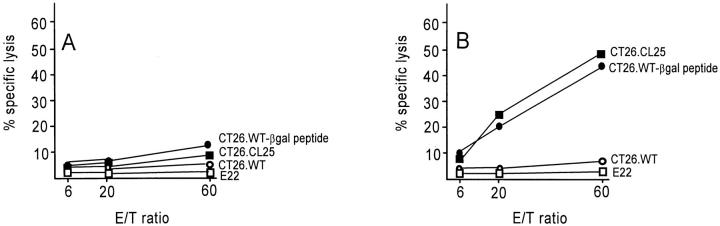
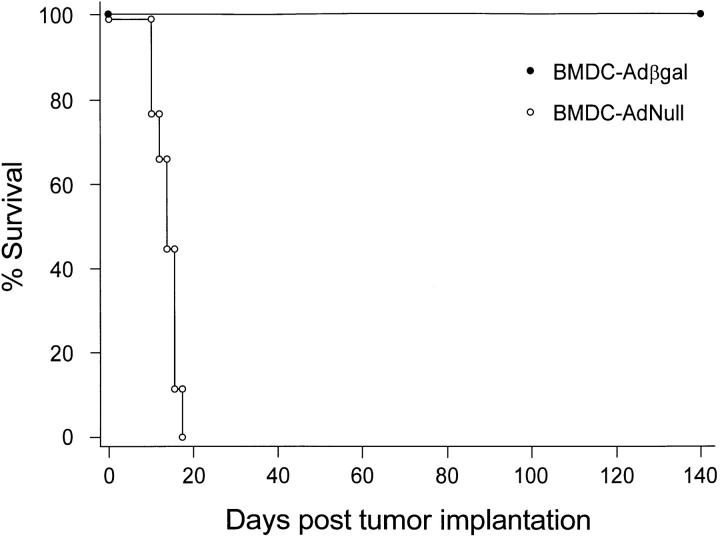
Dendritic cells (DCs) are potent antigen-presenting cells that play a critical role in the initiation of antitumor immune responses. In this study, we show that genetic modifications of a murine epidermis-derived DC line and primary bone marrow-derived DCs to express a model antigen beta-galactosidase (betagal) can be achieved through the use of a replication-deficient, recombinant adenovirus vector, and that the modified DCs are capable of eliciting antigen-specific, MHC-restricted CTL responses. Importantly, using a murine metastatic lung tumor model with syngeneic colon carcinoma cells expressing betagal, we show that immunization of mice with the genetically modified DC line or bone marrow DCs confers potent protection against a lethal tumor challenge, as well as suppression of preestablished tumors, resulting in a significant survival advantage. We conclude that genetic modification of DCs to express antigens that are also expressed in tumors can lead to antigen-specific, antitumor killer cells, with a concomitant resistance to tumor challenge and a decrease in the size of existing tumors.
树突状细胞(DCs)是强大的抗原呈递细胞,在抗肿瘤免疫反应的启动中起关键作用。在本研究中,我们表明,通过使用复制缺陷型重组腺病毒载体,可以对源自小鼠表皮的DC系和原代骨髓来源的DC进行基因改造,使其表达模型抗原β-半乳糖苷酶(βgal),并且改造后的DC能够引发抗原特异性、MHC限制的CTL反应。重要的是,使用表达βgal的同基因结肠癌细胞的小鼠转移性肺癌模型,我们表明用基因改造的DC系或骨髓DC免疫小鼠可有效抵抗致命的肿瘤攻击,并抑制已建立的肿瘤,从而带来显著的生存优势。我们得出结论,对DC进行基因改造以表达肿瘤中也表达的抗原可导致产生抗原特异性抗肿瘤杀伤细胞,同时对肿瘤攻击具有抗性,并使现有肿瘤的大小减小。