Clark R A, Fuhlbrigge R C, Springer T A
The Center for Blood Research and Harvard Medical School, Department of Pathology, Boston, Massachusetts 02115, USA.
J Cell Biol. 1998 Feb 9;140(3):721-31. doi: 10.1083/jcb.140.3.721.
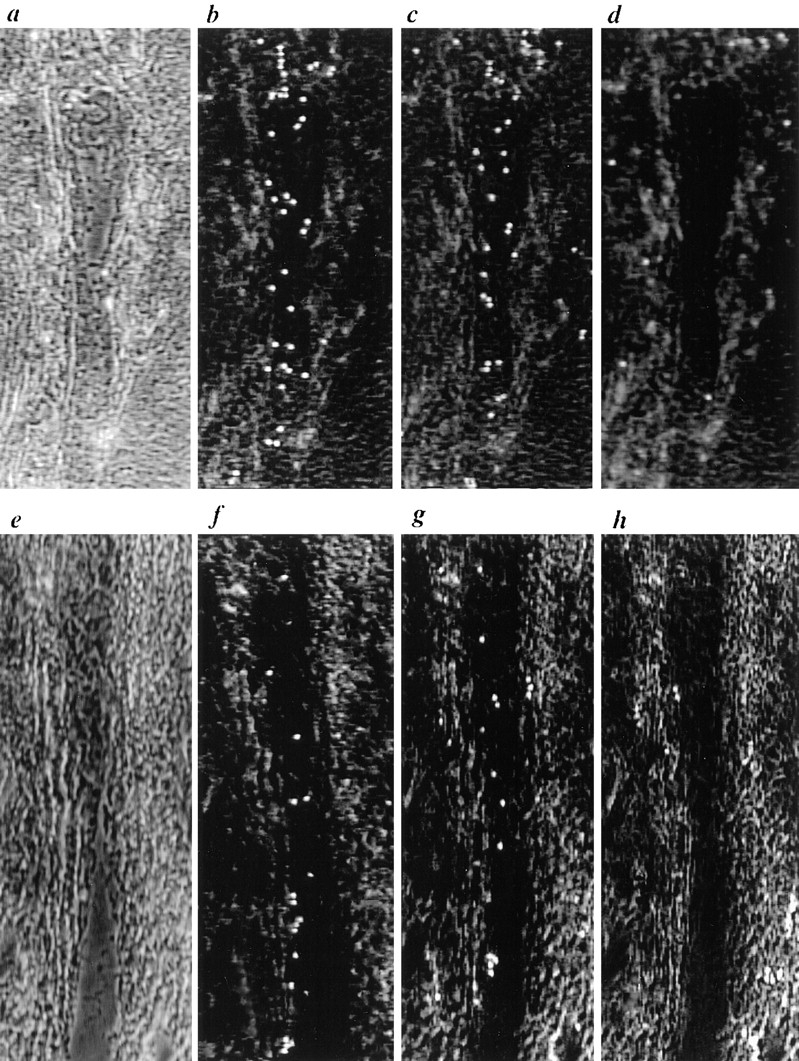
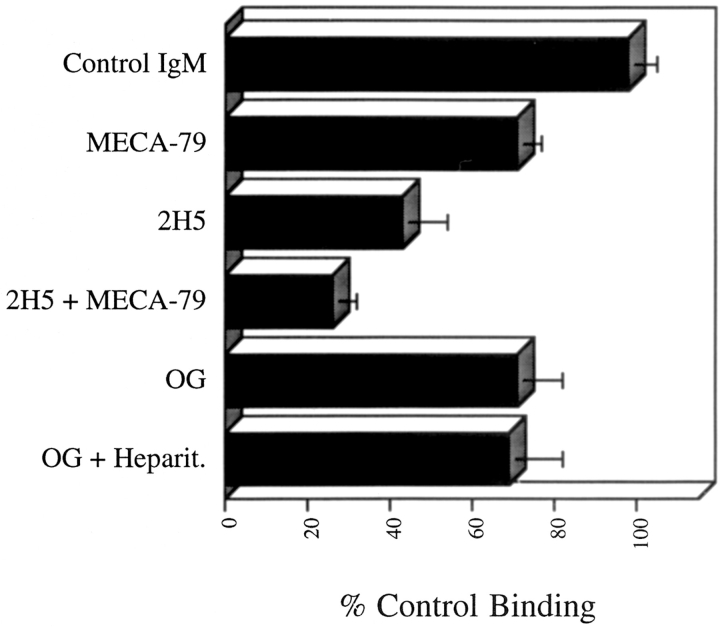
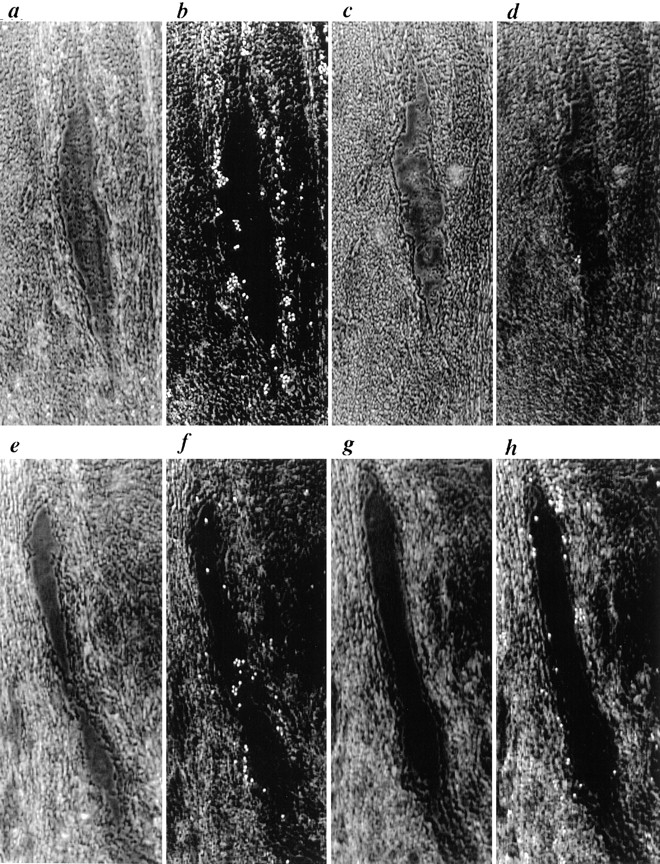
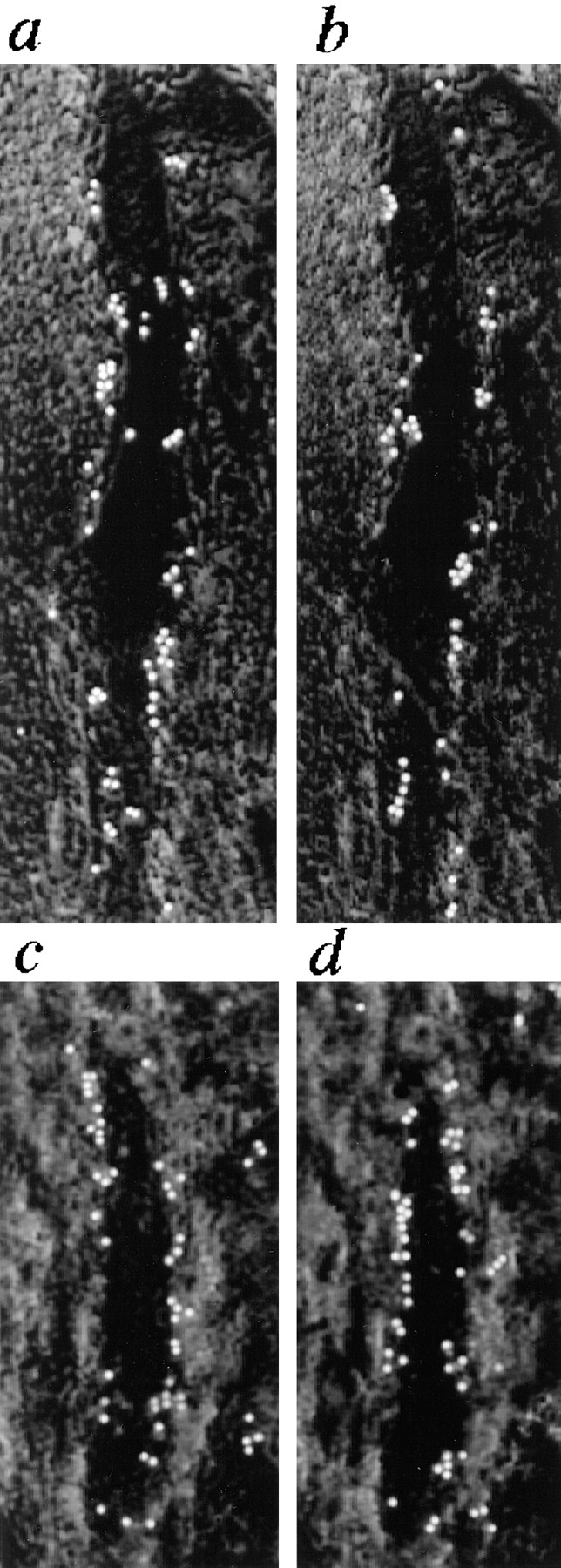
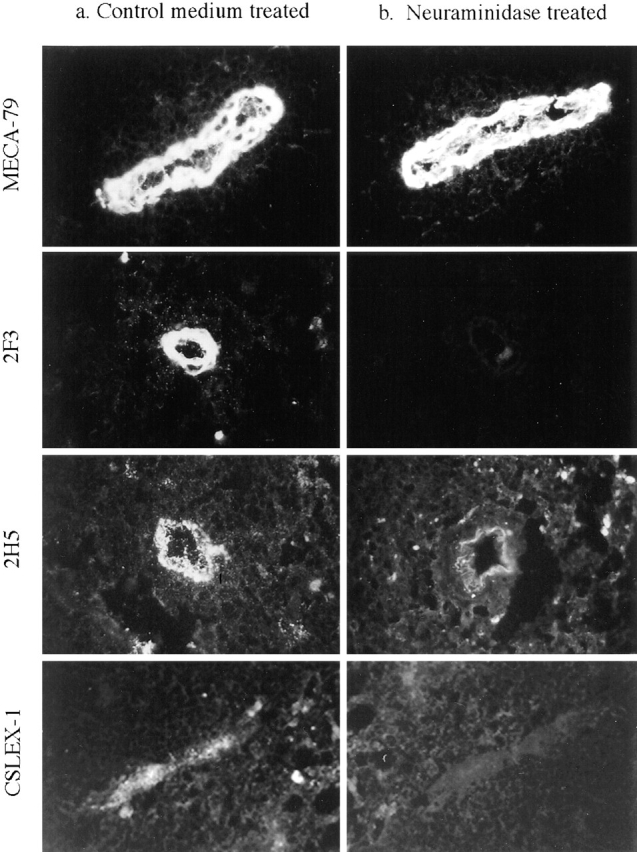
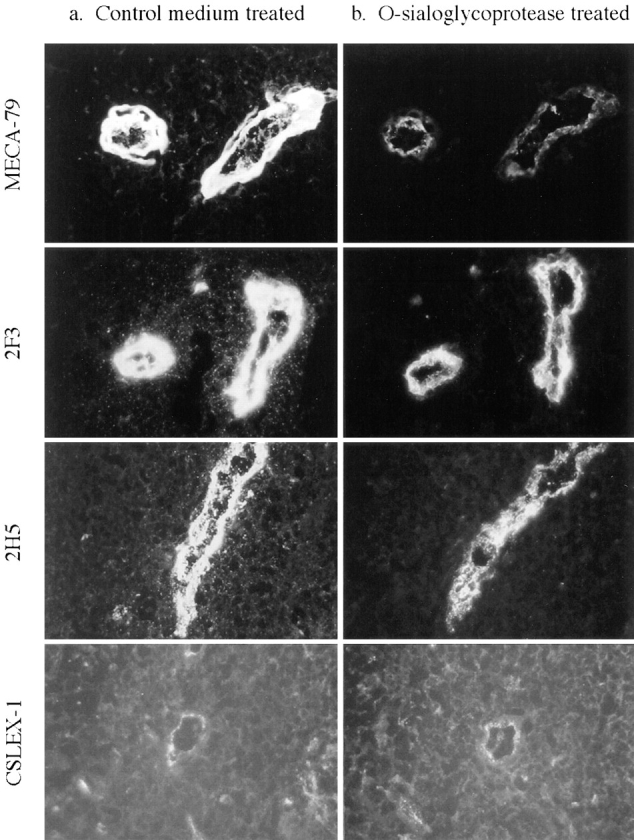
During the process of lymphocyte recirculation, lymphocytes bind via L-selectin to sulfated sialyl-Lewisx (sLex)-containing carbohydrate ligands expressed on the surface of high endothelial venules (HEV). We have examined the expression of sLex on HEV using a panel of mAbs specific for sLex and sLex-related structures, and have examined the function of different sLex-bearing structures using an in vitro assay of lymphocyte rolling on HEV. We report that three sLex mAbs, 2F3, 2H5, and CSLEX-1, previously noted to bind with high affinity to glycolipid-linked sLex, vary in their ability to stain HEV in different lymphoid tissues and bind differentially to O-linked versus N-linked sLex on glycoproteins. Treatment of tissue sections with neuraminidase abolished staining with all three mAbs but slightly increased staining with MECA-79, a mAb to a sulfation-dependent HEV-associated carbohydrate determinant. Treatment of tissue sections with O-sialoglycoprotease under conditions that removed the vast majority of MECA-79 staining, only partially reduced staining with the 2F3 and 2H5 mAbs. Using a novel rolling assay in which cells bind under flow to HEV of frozen tissue sections, we demonstrate that a pool of O-sialoglycoprotease-resistant molecules is present on HEV that is sufficient for attachment and rolling of lymphocytes via L-selectin. This interaction is not inhibited by the mAb MECA-79. Furthermore, MECA-79 mAb blocks binding to untreated sections by only 30%, whereas the sLex mAb 2H5 blocks binding by approximately 60% and a combination of MECA-79 and 2H5 mAb blocks binding by 75%. We conclude that a pool of O-glycoprotease-resistant sLex-like L-selectin ligands exist on human HEV that is distinct from the mucin-associated moieties recognized by MECA-79 mAb. We postulate that these ligands may participate in lymphocyte binding to HEV.
在淋巴细胞再循环过程中,淋巴细胞通过L-选择素与高内皮微静脉(HEV)表面表达的含硫酸化唾液酸化路易斯x(sLex)的碳水化合物配体结合。我们使用一组对sLex和sLex相关结构具有特异性的单克隆抗体(mAb)检测了HEV上sLex的表达,并使用淋巴细胞在HEV上滚动的体外试验检测了不同含sLex结构的功能。我们报告,之前注意到与糖脂连接的sLex具有高亲和力结合的三种sLex单克隆抗体2F3、2H5和CSLEX-1,在不同淋巴组织中对HEV染色的能力不同,并且与糖蛋白上O连接型和N连接型sLex的结合也存在差异。用神经氨酸酶处理组织切片消除了所有三种单克隆抗体的染色,但略微增加了用MECA-79(一种针对硫酸化依赖性HEV相关碳水化合物决定簇的单克隆抗体)的染色。在去除绝大多数MECA-79染色的条件下用O-唾液酸糖蛋白酶处理组织切片,仅部分降低了2F3和2H5单克隆抗体的染色。使用一种新型滚动试验,其中细胞在流动条件下与冷冻组织切片的HEV结合,我们证明HEV上存在一组对O-唾液酸糖蛋白酶有抗性的分子,其足以通过L-选择素实现淋巴细胞的附着和滚动。这种相互作用不受单克隆抗体MECA-79的抑制。此外,MECA-79单克隆抗体仅阻断30%与未处理切片的结合,而sLex单克隆抗体2H5阻断约60%的结合,MECA-79和2H5单克隆抗体的组合阻断75%的结合。我们得出结论,人HEV上存在一组对O-糖蛋白酶有抗性的sLex样L-选择素配体,其不同于MECA-79单克隆抗体识别的粘蛋白相关部分。我们推测这些配体可能参与淋巴细胞与HEV的结合。