Barlow A K, He X, Janeway C
Section of Immunobiology, Yale University School of Medicine, and Howard Hughes Medical Institute, New Haven, Connecticut 06510, USA.
J Exp Med. 1998 May 4;187(9):1403-15. doi: 10.1084/jem.187.9.1403.
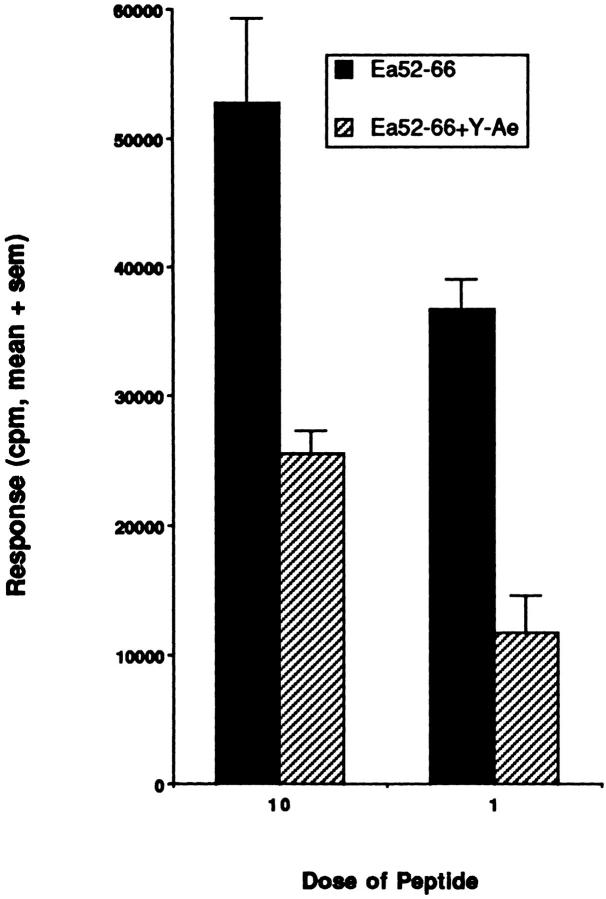
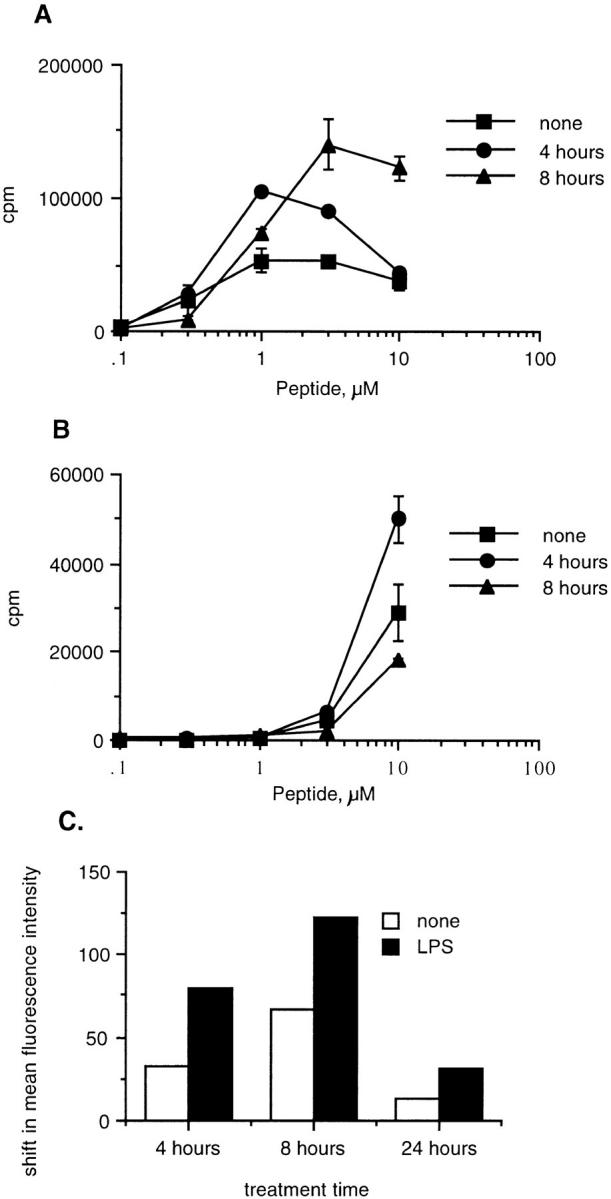
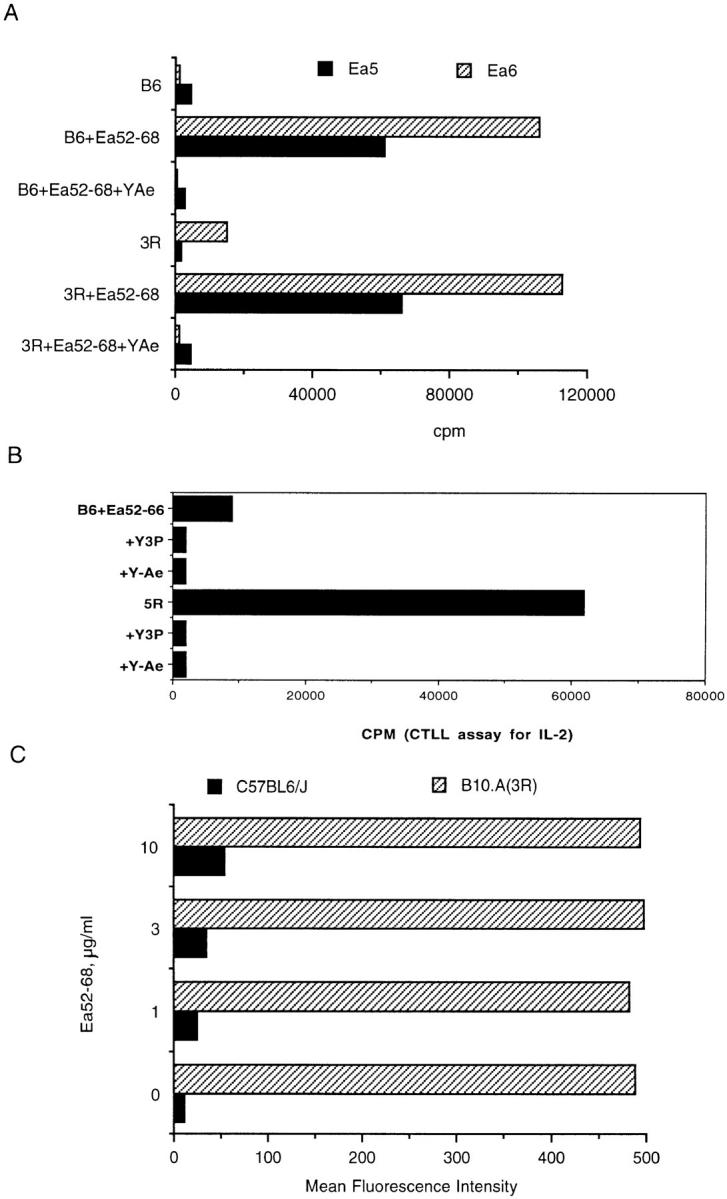
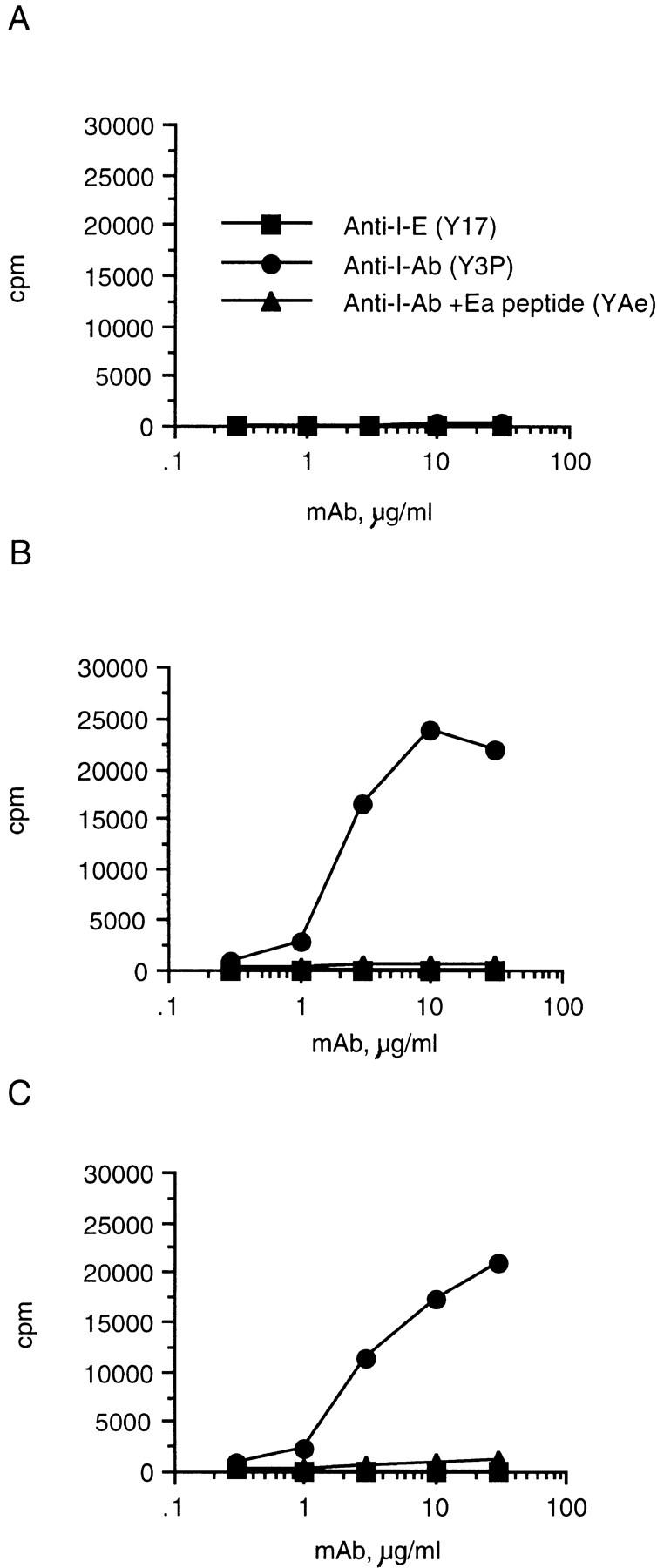
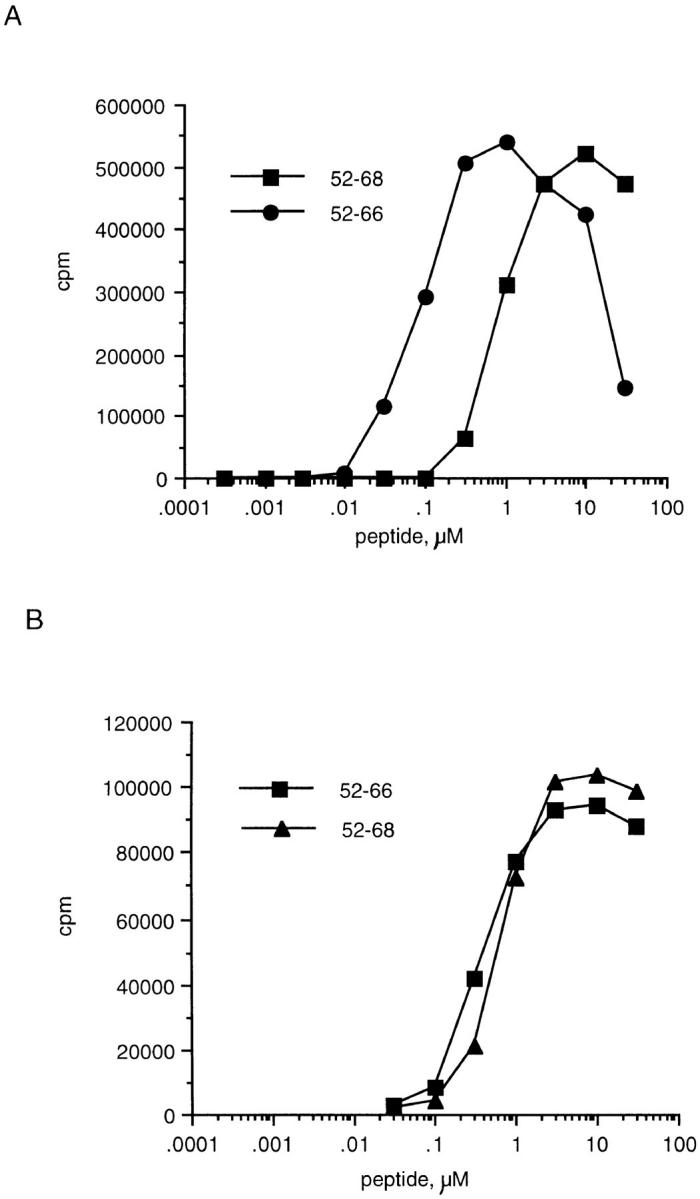
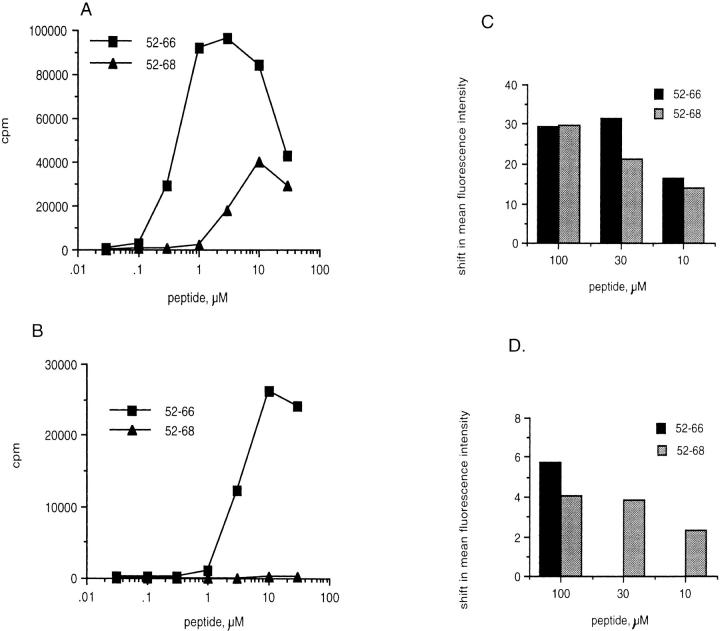
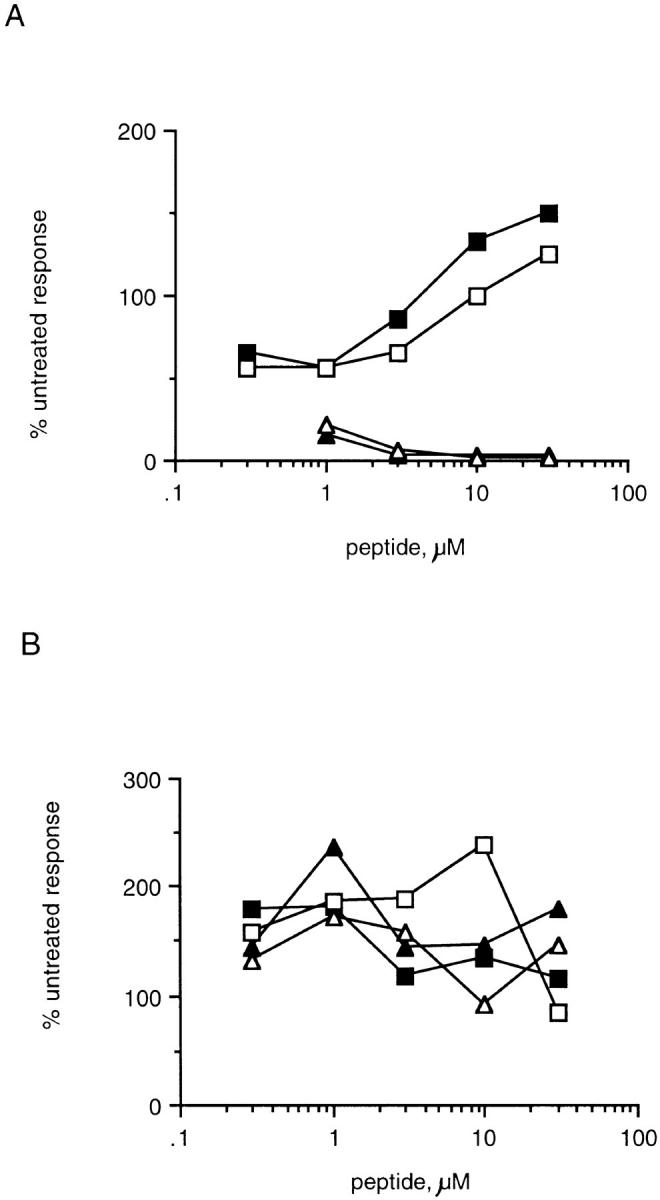
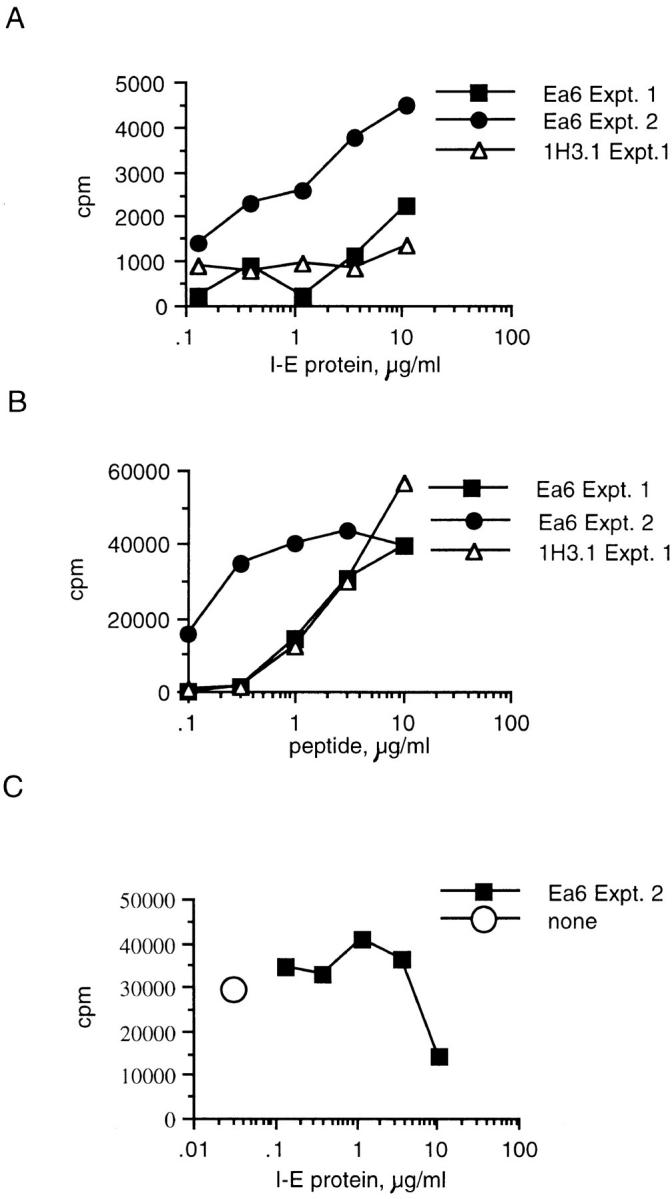
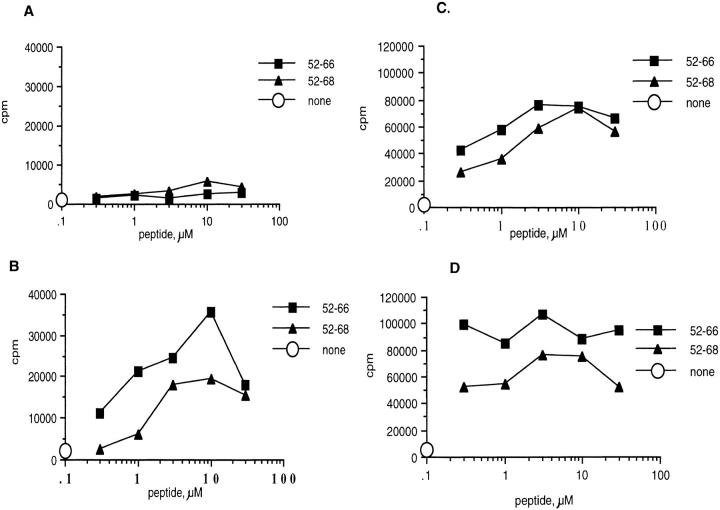
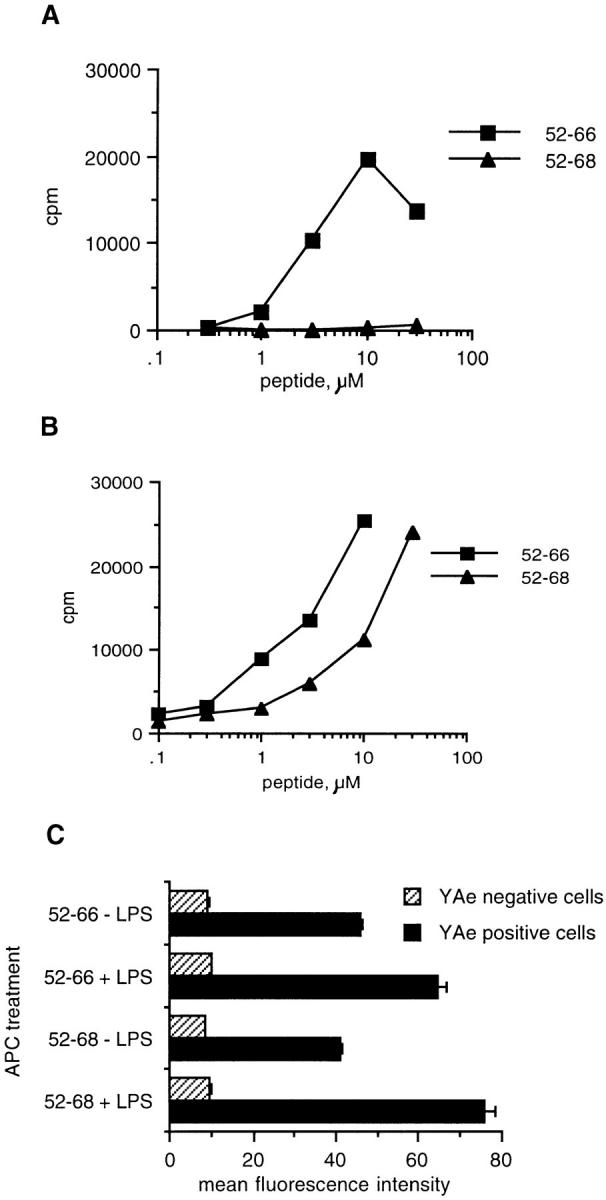
Major histocompatibility complex (MHC) class II molecules can present peptides derived from two different sources. The predominant source of peptide in uninfected antigen presenting cells (APCs) is from self-proteins that are synthesized within the cell and traffic through the MHC class II compartment. The other source of antigen is endocytosed proteins, which includes both self- and foreign proteins. Foreign protein antigens generate adaptive immune responses, whereas self-peptides stabilize the MHC class II heterodimer on the cell surface, allowing positive and negative selection of thymocytes. Therefore, self-antigens play an important normal role in shaping the T cell receptor repertoire as well as a pathological role in autoimmunity. To determine whether processing and presentation of self-antigens by MHC class II molecules differs depending on whether the antigen is supplied through synthesis within the cell or by endocytosis, we used a T cell clone against an Ealpha peptide presented by I-Ab to show that processing through these two routes can differ. We also show that mice can be tolerant to the epitope formed through the endogenous route, but responsive to the epitope that can be formed through endocytosis. This suggests that negative selection occurs primarily against antigens that are synthesized within the APC, and that endocytosed self-antigens could serve as autoantigens. Finally, we also demonstrate that lipopolysaccharide-activated B cells are defective for uptake, processing, and presentation of this self-antigen, and that this correlates with the increased expression of the costimulatory molecules B7.1 and B7.2. This may provide a model for studying the onset of an autoimmune response.
主要组织相容性复合体(MHC)II类分子能够呈递源自两种不同来源的肽段。在未感染的抗原呈递细胞(APC)中,肽段的主要来源是细胞内合成并通过MHC II类区室转运的自身蛋白。抗原的另一个来源是内吞的蛋白质,其中包括自身蛋白和外来蛋白。外来蛋白质抗原引发适应性免疫反应,而自身肽段则稳定细胞表面的MHC II类异二聚体,从而允许对胸腺细胞进行阳性和阴性选择。因此,自身抗原在塑造T细胞受体库方面发挥着重要的正常作用,同时在自身免疫中也起着病理作用。为了确定MHC II类分子对自身抗原的加工和呈递是否因抗原是通过细胞内合成还是通过内吞作用提供而有所不同,我们使用了针对由I-Ab呈递的Ealpha肽段的T细胞克隆,以表明通过这两条途径的加工可能存在差异。我们还表明,小鼠对内源性途径形成的表位具有耐受性,但对通过内吞作用形成的表位有反应。这表明阴性选择主要针对APC内合成的抗原,并且内吞的自身抗原可能充当自身抗原。最后,我们还证明脂多糖激活的B细胞在摄取、加工和呈递这种自身抗原方面存在缺陷,并且这与共刺激分子B7.1和B7.2表达的增加相关。这可能为研究自身免疫反应的发生提供一个模型。