Naora H, Takai I, Adachi M, Naora H
Research School of Biological Sciences, The Australian National University, Canberra, A.C.T. 2601, Australia.
J Cell Biol. 1998 May 4;141(3):741-53. doi: 10.1083/jcb.141.3.741.
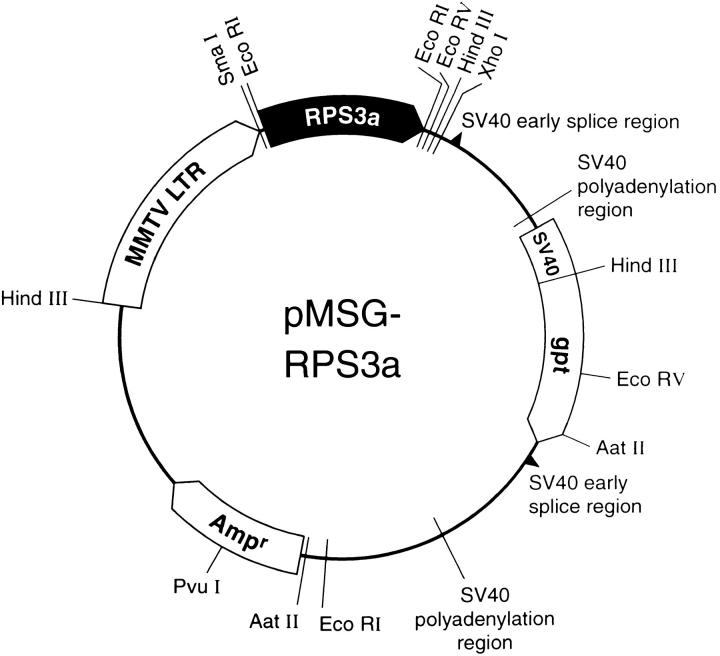
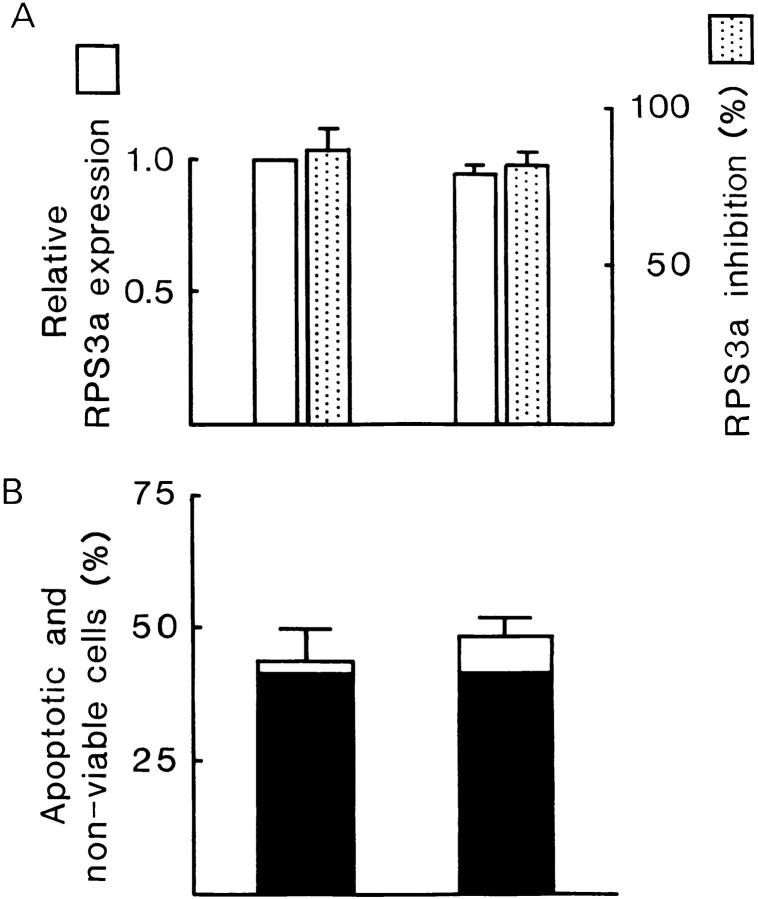
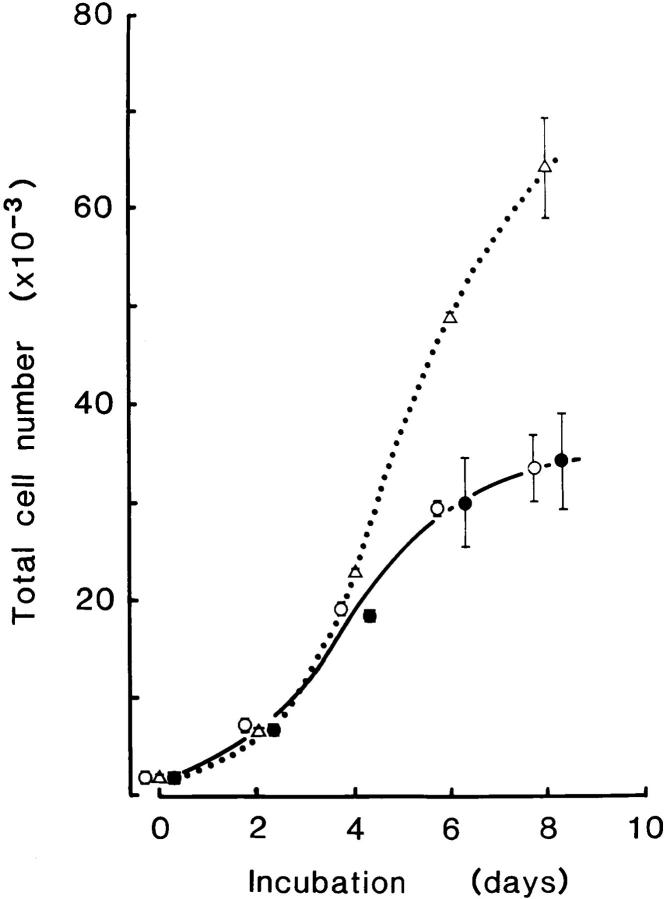
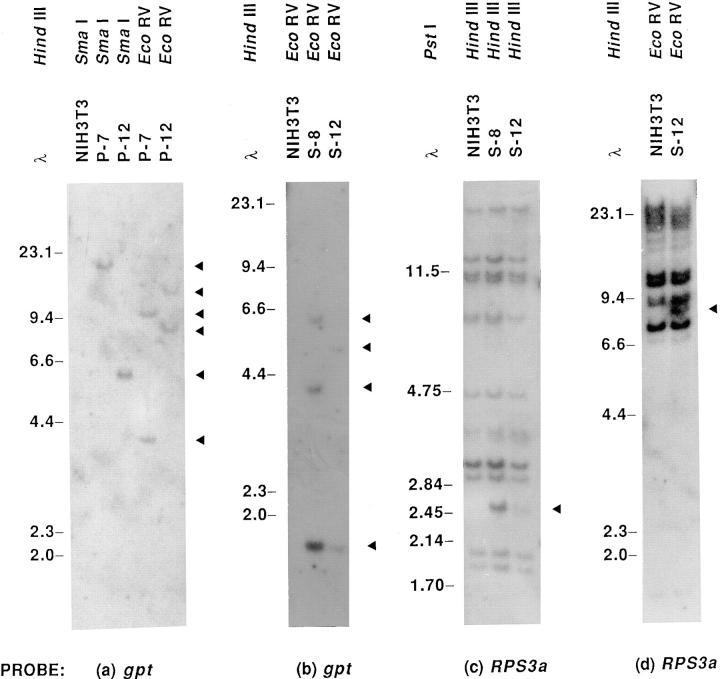
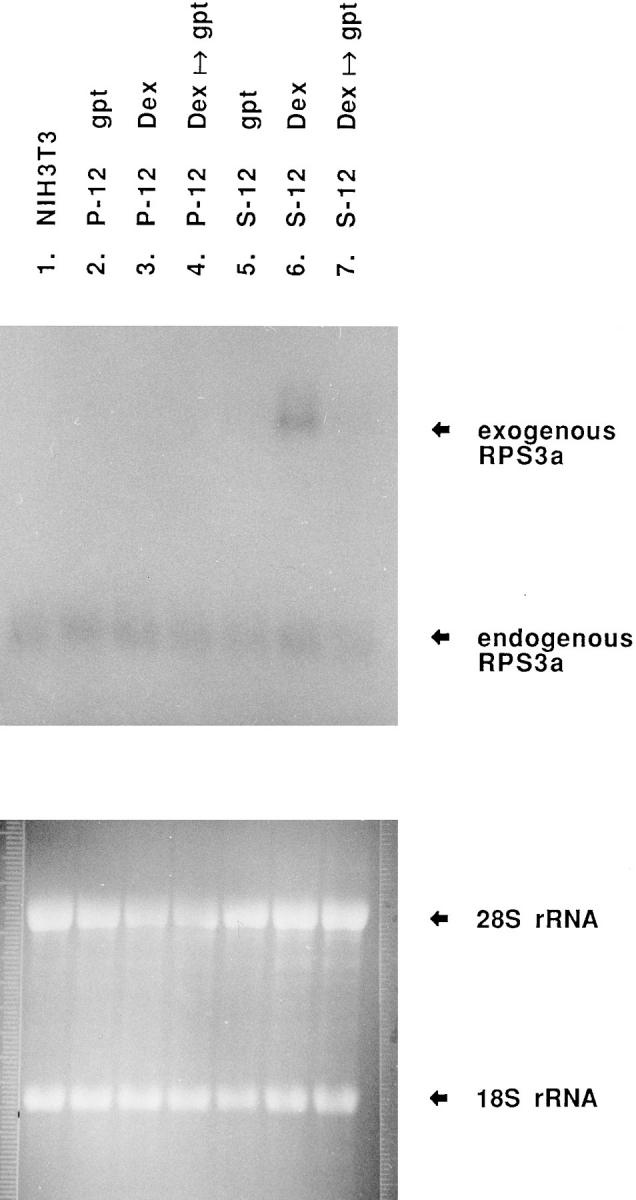
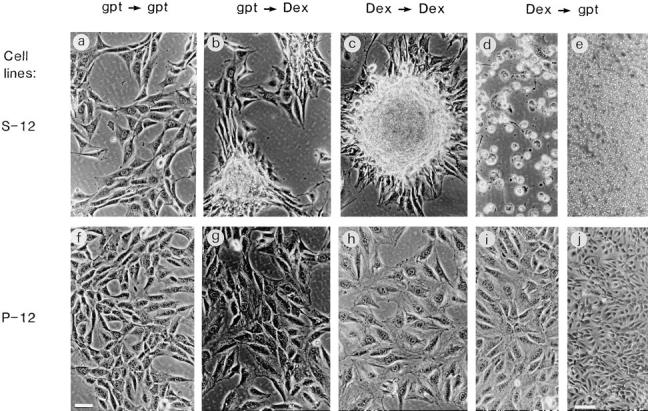
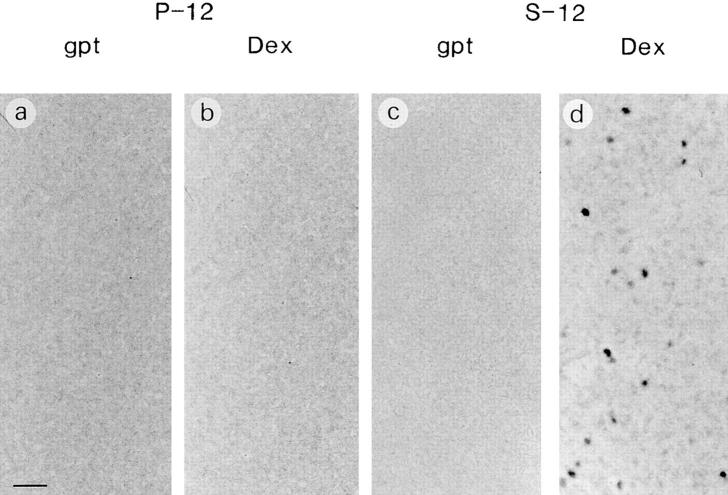
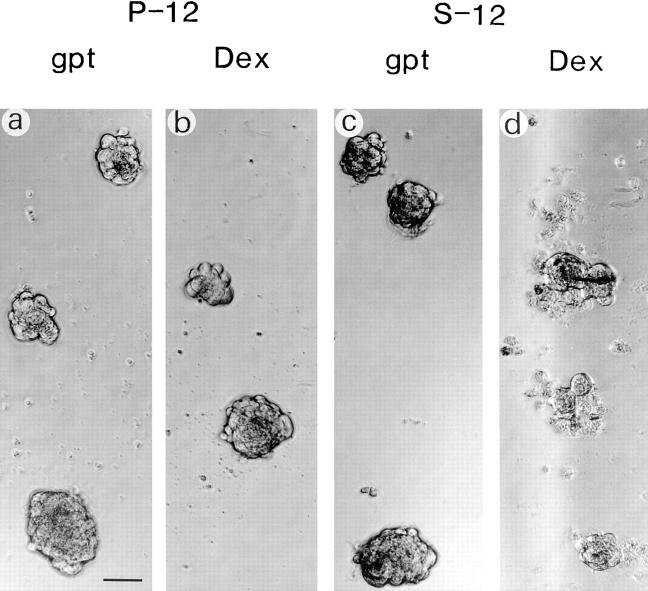
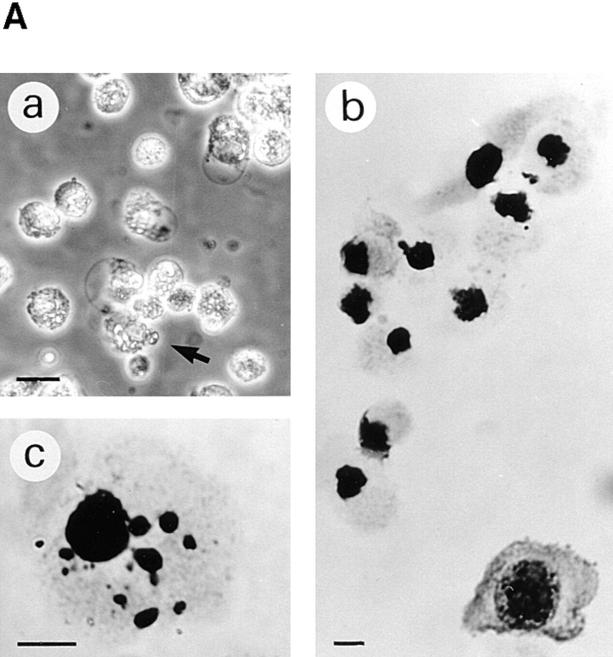
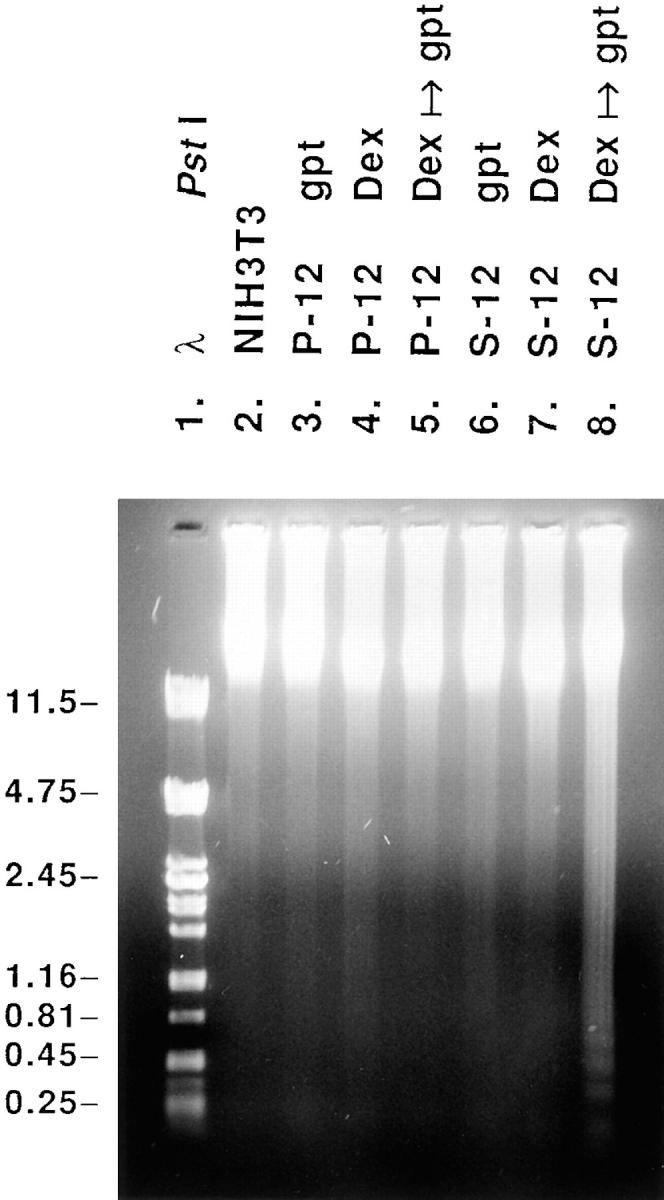
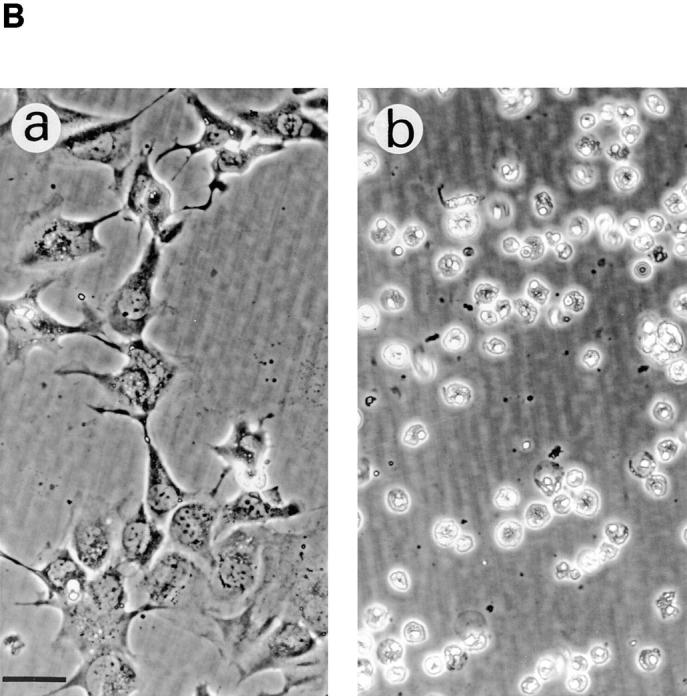
A growing body of evidence indicates that individual ribosomal proteins and changes in their expression, participate in, and modulate, a variety of cellular activities. Our earlier studies have found that apoptosis could be induced by inhibiting expression of ribosomal protein S3a (RPS3a) in many tumor cells which constitutively express RPS3a at levels much higher than in normal cells. This study aimed to investigate cellular responses to enhancement of RPS3a expression, and whether apoptosis could be induced by sequential alterations in RPS3a expression involving enhancement from an initially low constitutive level, followed by suppression. Stably transfected NIH 3T3- derived cell lines were established in which exogenous RPS3a expression could be readily manipulated. Enhancement of RPS3a expression appeared to induce transformation as assessed by well-established criteria such as foci formation and anchorage-independent growth in vitro, and formation of tumors in nude mice. These properties were compared with those observed in ras-transformed NIH 3T3 cells. Apparent transformation occurred only when enhanced RPS3a-expressing cells were in close cell-cell contact. Suppression of enhanced RPS3a expression was observed to induce apoptosis as assessed by various morphological and biochemical characteristics including cell shrinkage, membrane blebbing, chromatin condensation, nuclear and cell fragmentation, phosphatidylserine externalization, and internucleosomal DNA fragmentation. This induction of apoptosis was not specific to apparently transformed cells, as cells at low confluence, which likewise expressed RPS3a at enhanced levels but exhibited no morphological transformation, underwent apoptosis when RPS3a expression was inhibited. These results support a role for RPS3a in the apoptotic process, but not as an oncoprotein per se.
越来越多的证据表明,单个核糖体蛋白及其表达变化参与并调节多种细胞活动。我们早期的研究发现,在许多组成性表达核糖体蛋白S3a(RPS3a)且表达水平远高于正常细胞的肿瘤细胞中,抑制RPS3a的表达可诱导细胞凋亡。本研究旨在探讨细胞对RPS3a表达增强的反应,以及RPS3a表达的顺序改变(从最初较低的组成性水平增强,随后抑制)是否可诱导细胞凋亡。建立了稳定转染的源自NIH 3T3的细胞系,其中外源性RPS3a的表达可轻易调控。通过诸如集落形成和体外非贴壁生长以及裸鼠体内肿瘤形成等成熟标准评估,RPS3a表达的增强似乎诱导了细胞转化。将这些特性与在ras转化的NIH 3T3细胞中观察到的特性进行了比较。仅当表达增强的RPS3a的细胞紧密接触时才会发生明显的转化。通过包括细胞收缩、膜泡化、染色质浓缩、核及细胞碎片化、磷脂酰丝氨酸外翻和核小体间DNA碎片化等各种形态学和生化特征评估,观察到增强的RPS3a表达的抑制可诱导细胞凋亡。这种凋亡诱导并非明显转化细胞所特有,因为低汇合度的细胞同样以增强水平表达RPS3a但未表现出形态学转化,当RPS3a表达被抑制时也会发生凋亡。这些结果支持RPS3a在凋亡过程中的作用,但本身并非作为癌蛋白。