Chang H J
Bureau of Communicable Disease Control, Department of Health, Taipei, Taiwan.
J Public Health Med. 1998 Mar;20(1):11-5.
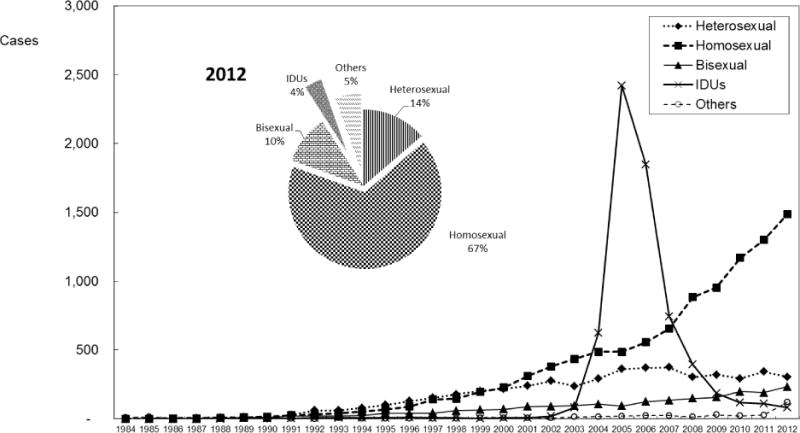
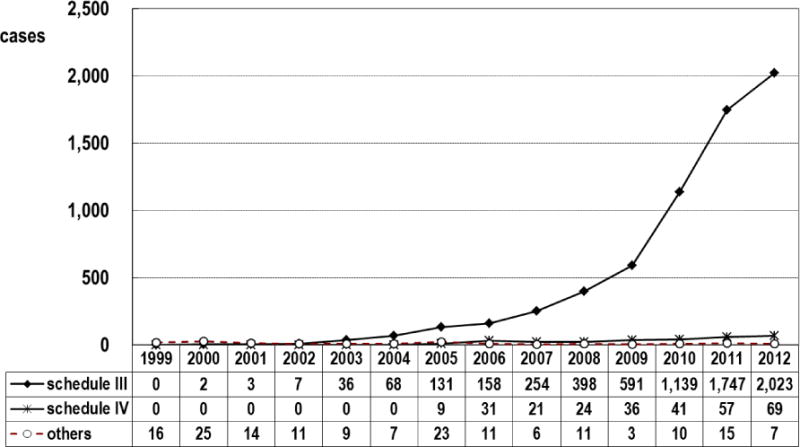
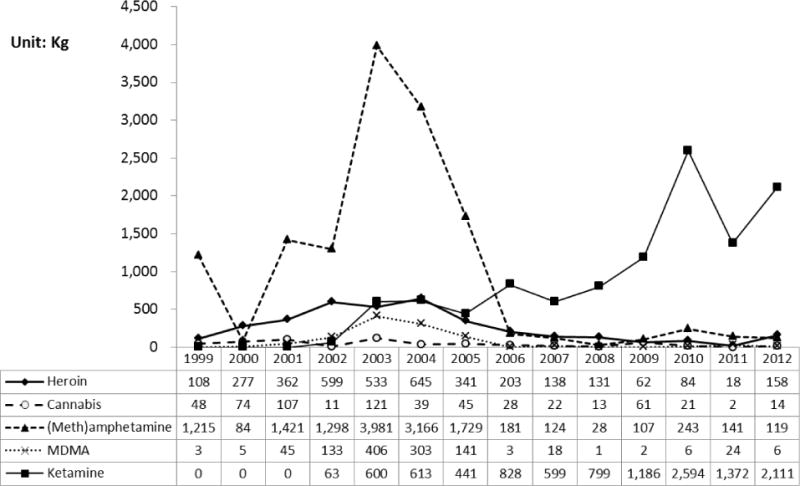
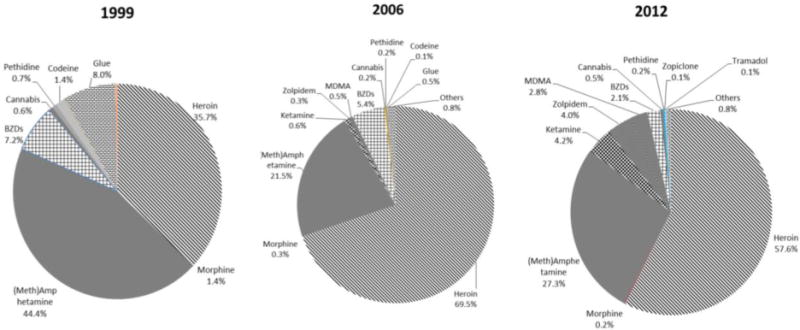
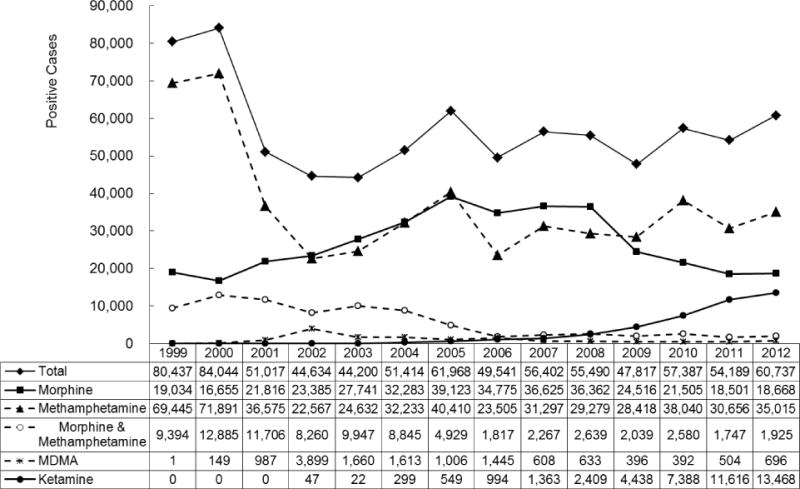
Methamphetamine abuse, which surged in the early 1990s, remains a major social and health issue in recent years in Taiwan. The danger of the spread of HIV among heroin injecting drug users (IDUs) gradually increased because of needle/syringe sharing in the early 2000s. The percentage of IDUs among all addiction treatment admissions increased from 34.7% in 2000 to 63.9% in 2004, and the percentage of IDUs sharing needles increased from 4.0% in 2000 to 15% in 2004. Alerted by the escalating IDU-associated HIV situation, the Department of Health launched the national pilot harm reduction program (PHRP) in 4 of 25 cities/counties in 2005. In 2006, the Taiwan Centers for Disease Control reported a 10% decrease in all new HIV seropositive cases and a nationwide harm reduction program was implemented. Besides the implementation of PHRP, HIV testing executed in 2004 and the HIV education program were essential for the effective control of HIV. Abuse of club drugs, such as MDMA, ketamine, flunitrazepam, and zolpidem have also been a new phenomenon since the early 2000s. It is noteworthy that the ketamine-positive cases in urine samples increased sharply from 47 in 2002 to 11,616 in 2011. Although ketamine has not been scheduled by the United Nations, the epidemic level of its use and harms may have been underestimated. In summary, heroin, methamphetamine, and certain club drugs are the current major drugs of abuse in Taiwan. The risk factors of drug abuse-associated infectious diseases, such as needle/syringe sharing among heroin IDUs and unprotected sex among club drug users, deserve further scrutiny.
甲基苯丙胺滥用现象在20世纪90年代初激增,近年来在台湾仍是一个重大的社会和健康问题。由于21世纪初共用针头/注射器,艾滋病毒在海洛因注射吸毒者中传播的危险逐渐增加。吸毒成瘾治疗入院者中注射吸毒者的比例从2000年的34.7%增至2004年的63.9%,注射吸毒者共用针头的比例从2000年的4.0%增至2004年的15%。鉴于与注射吸毒者相关的艾滋病毒情况不断升级,卫生署于2005年在25个市县中的4个启动了全国性减少伤害试点项目(PHRP)。2006年,台湾疾病控制中心报告所有新的艾滋病毒血清阳性病例减少了10%,并实施了一项全国性减少伤害项目。除了实施PHRP外,2004年进行的艾滋病毒检测和艾滋病毒教育项目对于有效控制艾滋病毒至关重要。自21世纪初以来,摇头丸、氯胺酮、氟硝西泮和唑吡坦等俱乐部药物的滥用也成为一种新现象。值得注意的是,尿液样本中氯胺酮阳性病例从2002年的47例急剧增至2011年的11,616例。尽管氯胺酮尚未被联合国列入管制范围,但其使用和危害的流行程度可能被低估了。总之,海洛因、甲基苯丙胺和某些俱乐部药物是台湾目前主要的滥用药物。与药物滥用相关的传染病的风险因素,如注射海洛因吸毒者共用针头和俱乐部药物使用者发生无保护性行为,值得进一步审查。