Haslett P A, Corral L G, Albert M, Kaplan G
The Rockefeller University, New York 10021-6399, USA.
J Exp Med. 1998 Jun 1;187(11):1885-92. doi: 10.1084/jem.187.11.1885.
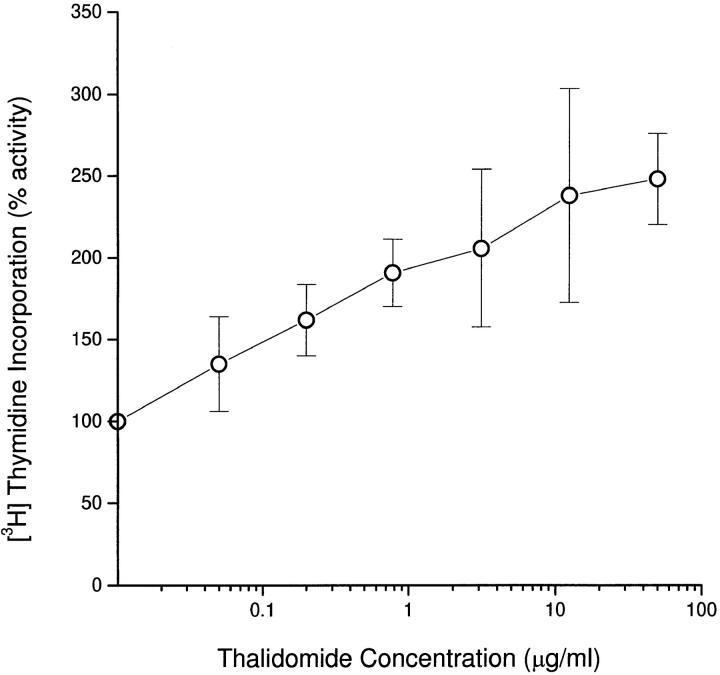
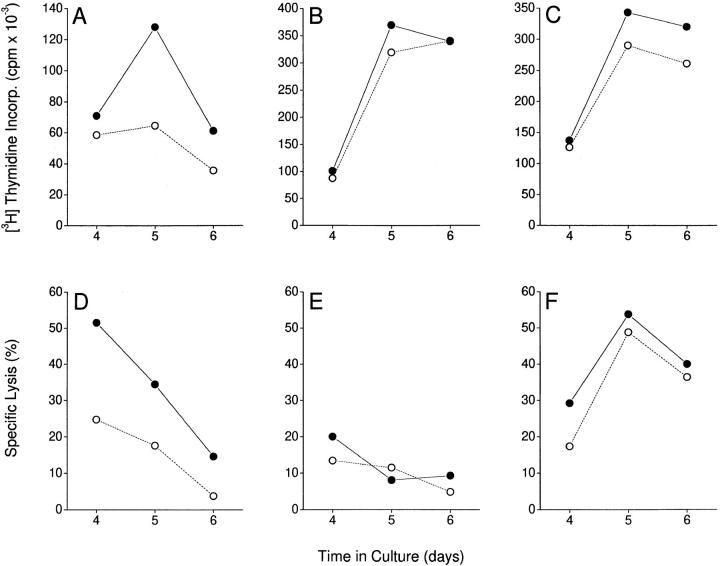
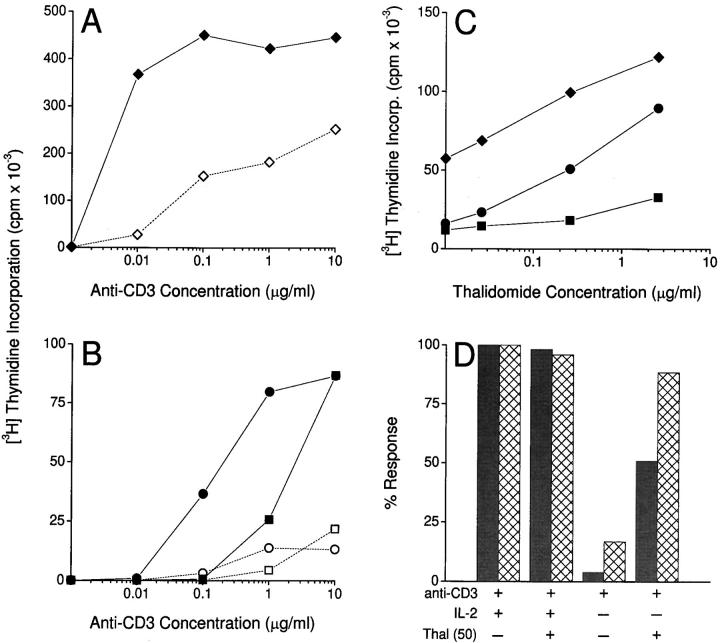
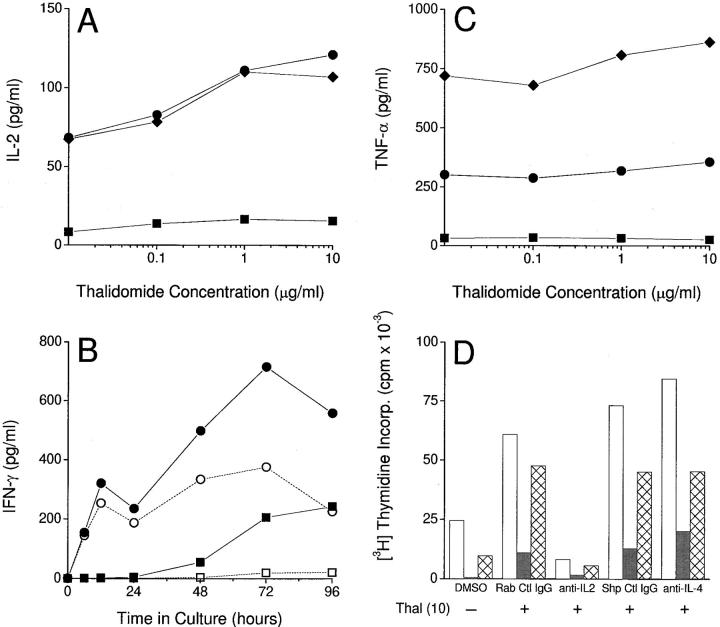
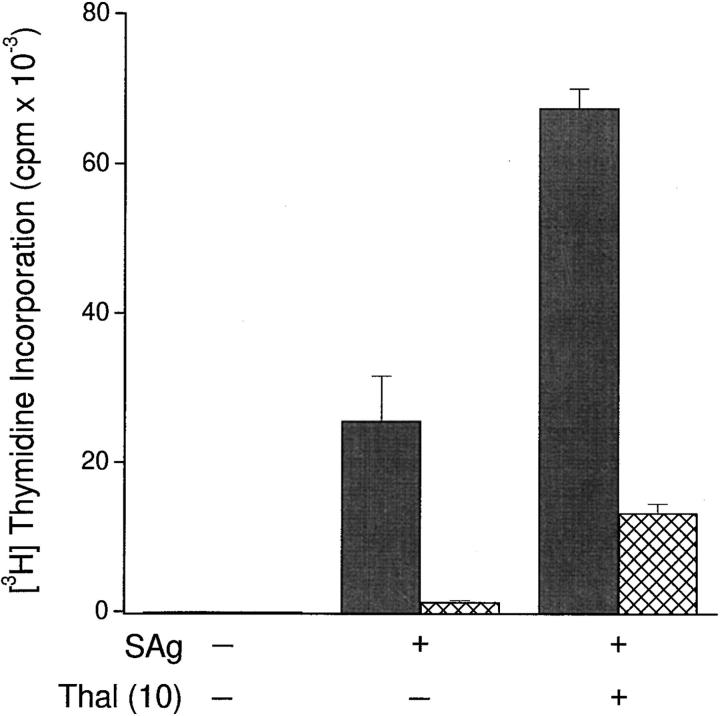
The efficacy of thalidomide (alpha-phthalimido-glutarimide) therapy in leprosy patients with erythema nodosum leprosum is thought to be due to inhibition of tumor necrosis factor alpha. In other diseases reported to respond to thalidomide, the mechanism of action of the drug is unclear. We show that thalidomide is a potent costimulator of primary human T cells in vitro, synergizing with stimulation via the T cell receptor complex to increase interleukin 2-mediated T cell proliferation and interferon gamma production. The costimulatory effect is greater on the CD8+ than the CD4+ T cell subset. The drug also increases the primary CD8+ cytotoxic T cell response induced by allogeneic dendritic cells in the absence of CD4+ T cells. Therefore, human T cell costimulation can be achieved pharmacologically with thalidomide, and preferentially in the CD8+ T cell subset.
沙利度胺(α-邻苯二甲酰亚氨基戊二酰亚胺)治疗麻风结节性红斑患者的疗效被认为是由于其对肿瘤坏死因子α的抑制作用。在其他据报道对沙利度胺有反应的疾病中,该药物的作用机制尚不清楚。我们发现,沙利度胺在体外是原代人T细胞的一种强效共刺激剂,与通过T细胞受体复合物的刺激协同作用,以增加白细胞介素2介导的T细胞增殖和干扰素γ的产生。这种共刺激作用对CD8+ T细胞亚群的影响大于对CD4+ T细胞亚群的影响。在没有CD4+ T细胞的情况下,该药物还能增强同种异体树突状细胞诱导的原代CD8+ 细胞毒性T细胞反应。因此,沙利度胺可通过药理学方法实现对人T细胞的共刺激作用,且优先作用于CD8+ T细胞亚群。