Tanna B, Welch W, Ruest L, Sutko J L, Williams A J
Cardiac Medicine, National Heart & Lung Institute, Imperial College of Science, Technology & Medicine, London SW3 6LY, United Kingdom.
J Gen Physiol. 1998 Jul;112(1):55-69. doi: 10.1085/jgp.112.1.55.
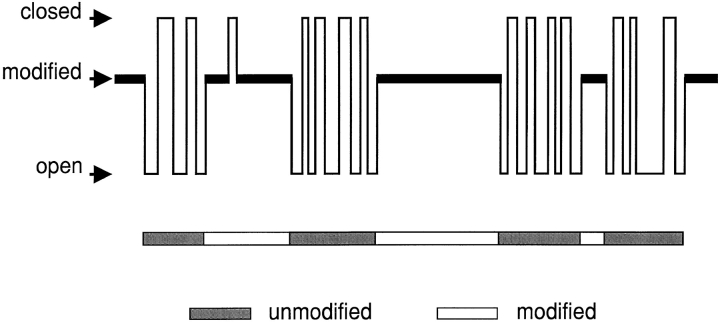
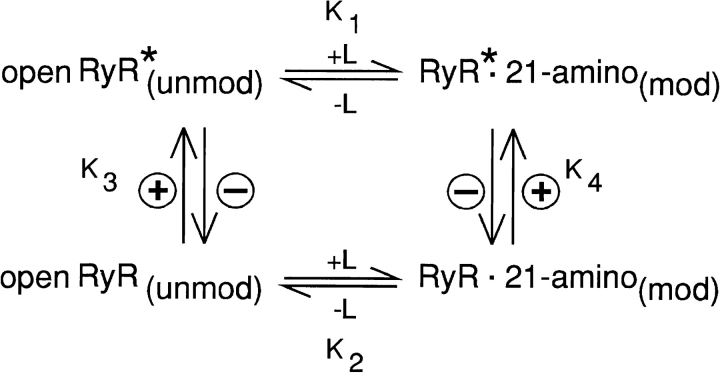
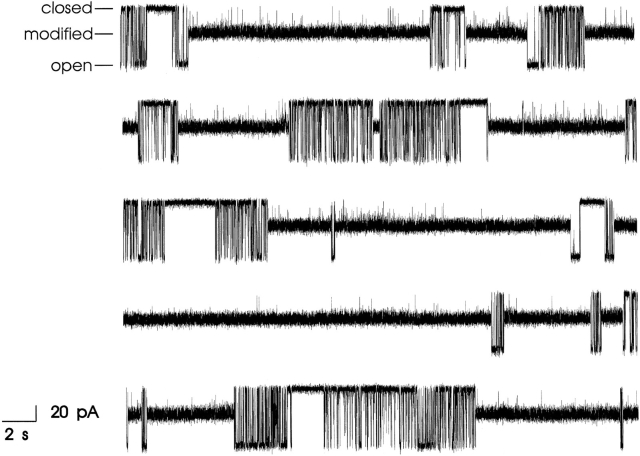
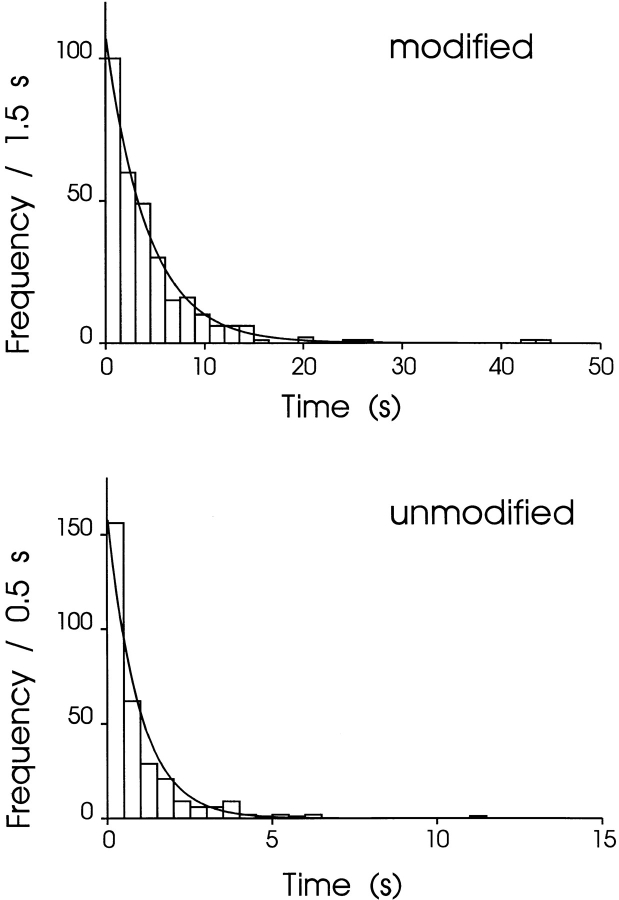
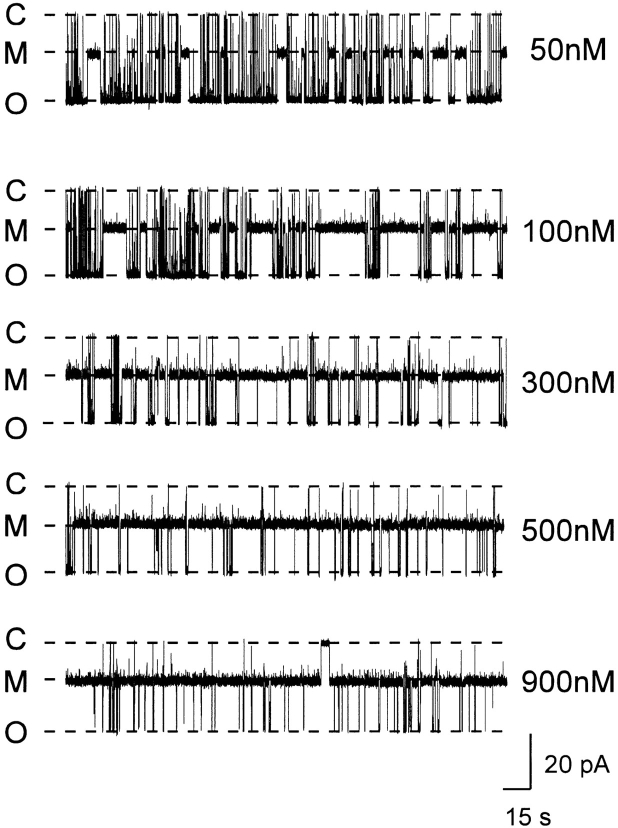
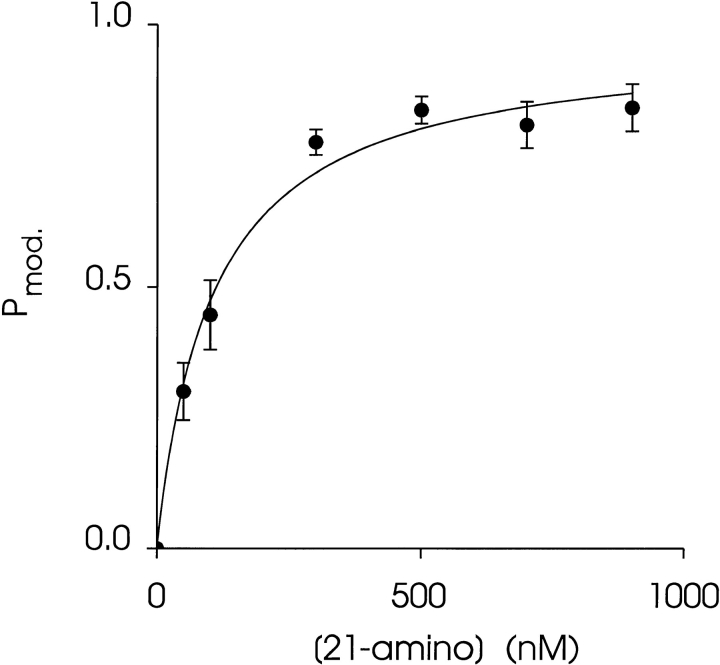
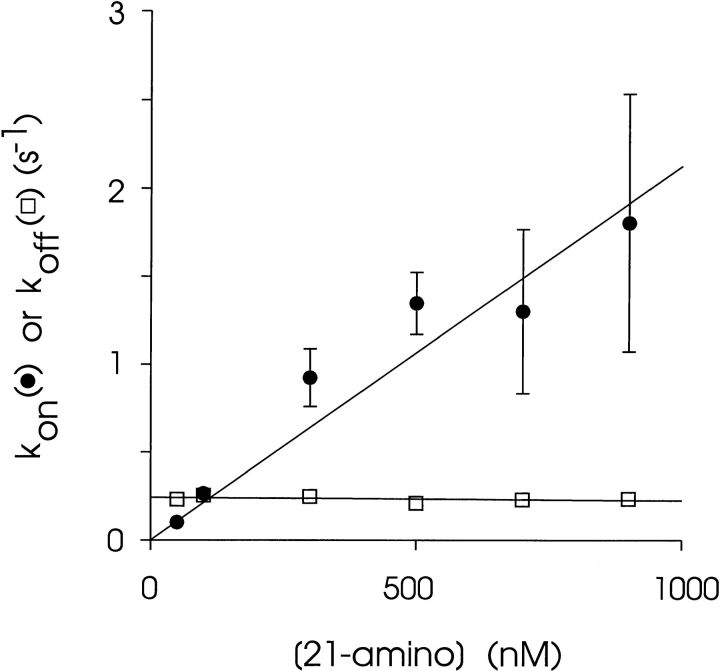
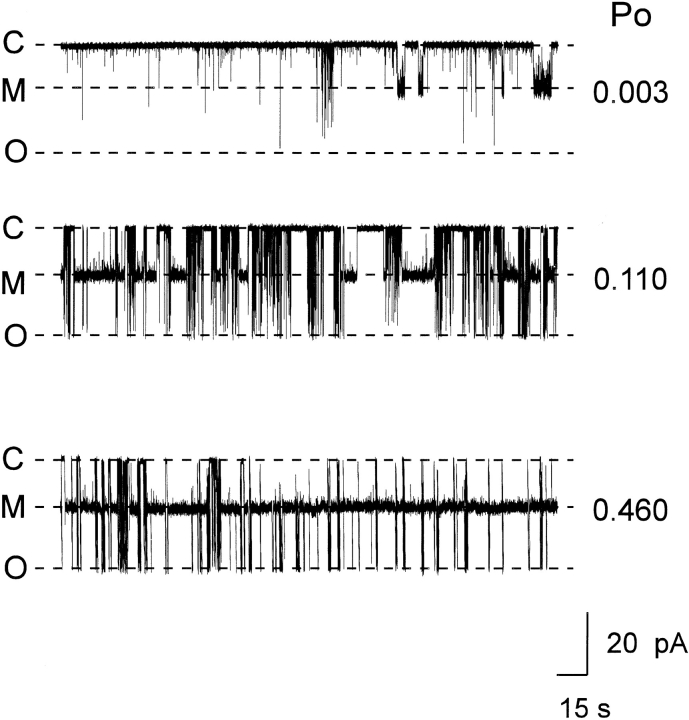
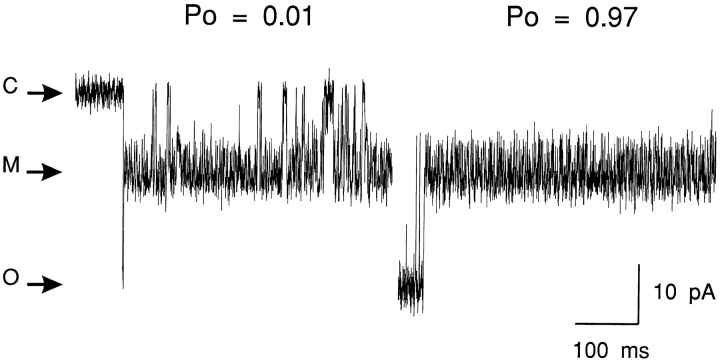
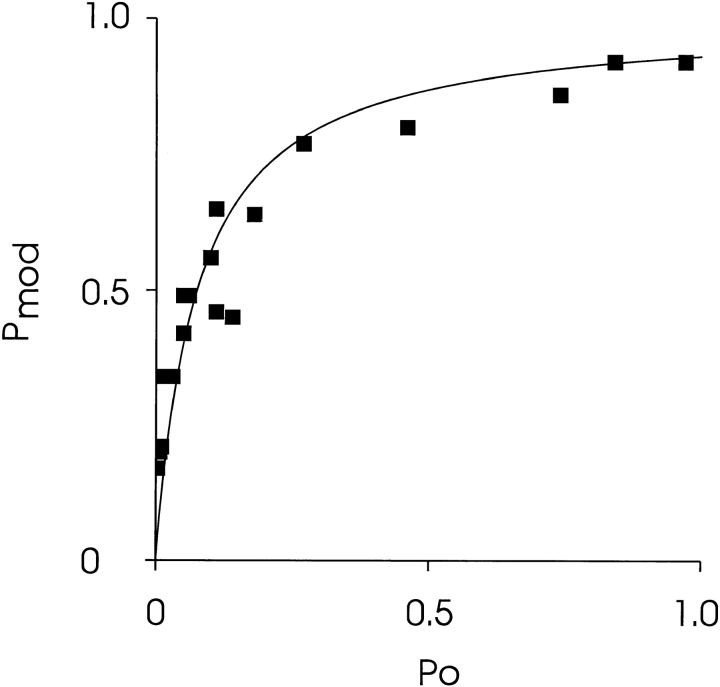
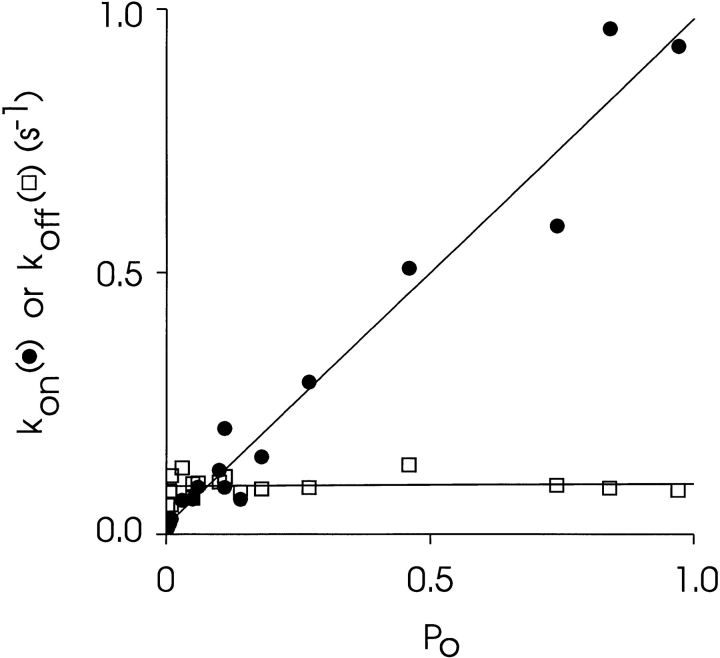
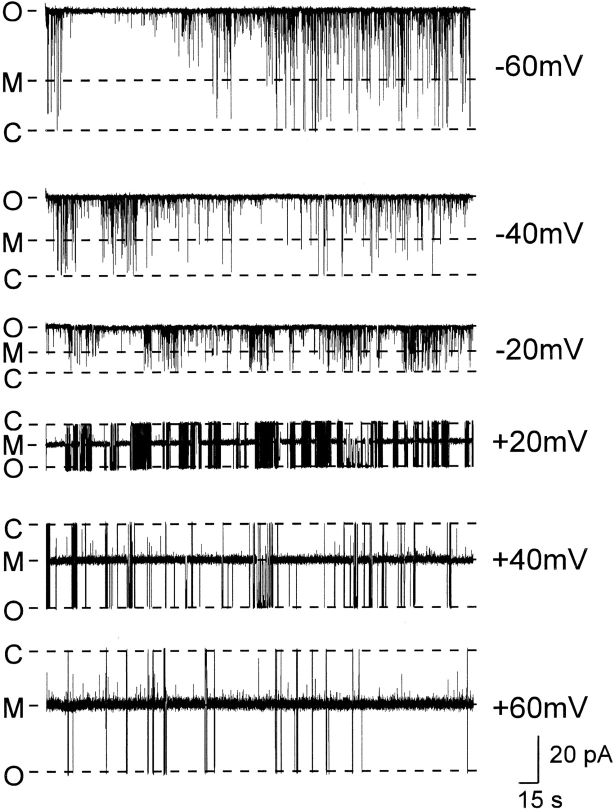
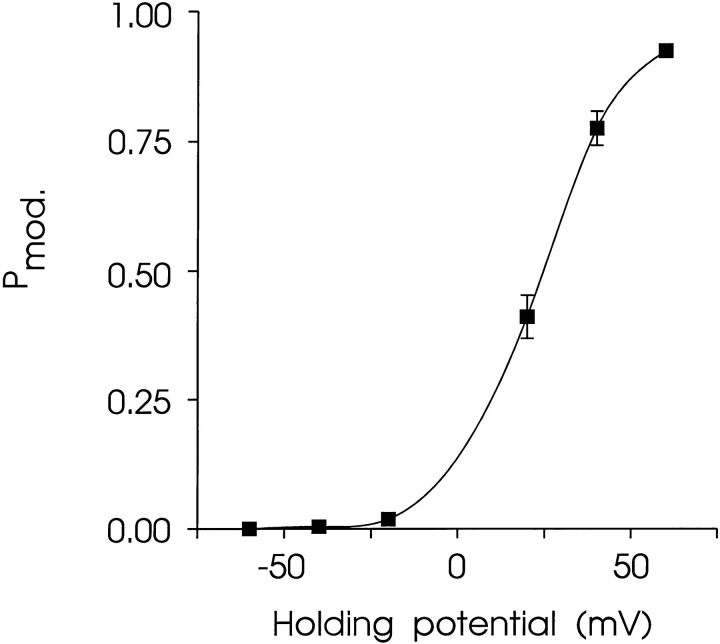
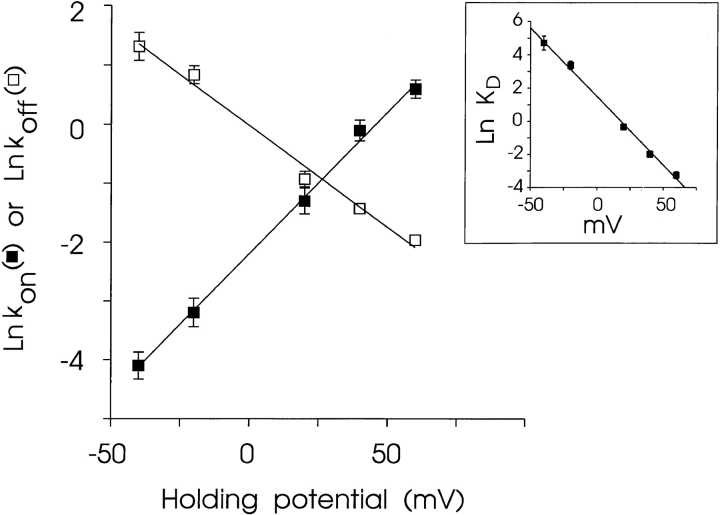
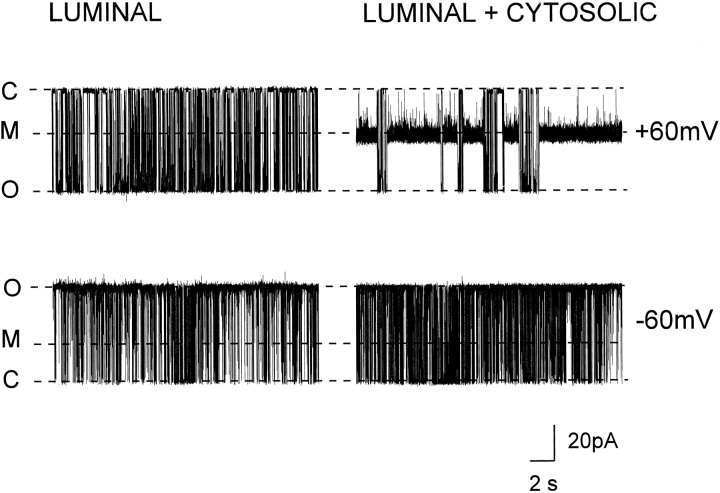
The binding of ryanodine to a high affinity site on the sarcoplasmic reticulum Ca2+-release channel results in a dramatic alteration in both gating and ion handling; the channel enters a high open probability, reduced-conductance state. Once bound, ryanodine does not dissociate from its site within the time frame of a single channel experiment. In this report, we describe the interactions of a synthetic ryanoid, 21-amino-9alpha-hydroxy-ryanodine, with the high affinity ryanodine binding site on the sheep cardiac sarcoplasmic reticulum Ca2+-release channel. The interaction of 21-amino-9alpha-hydroxy-ryanodine with the channel induces the occurrence of a characteristic high open probability, reduced-conductance state; however, in contrast to ryanodine, the interaction of this ryanoid with the channel is reversible under steady state conditions, with dwell times in the modified state lasting seconds. By monitoring the reversible interaction of this ryanoid with single channels under voltage clamp conditions, we have established a number of novel features of the ryanoid binding reaction. (a) Modification of channel function occurs when a single molecule of ryanoid binds to the channel protein. (b) The ryanoid has access to its binding site only from the cytosolic side of the channel and the site is available only when the channel is open. (c) The interaction of 21-amino-9alpha-hydroxy-ryanodine with its binding site is influenced strongly by transmembrane voltage. We suggest that this voltage dependence is derived from a voltage-driven conformational alteration of the channel protein that changes the affinity of the binding site, rather than the translocation of the ryanoid into the voltage drop across the channel.
ryanodine与肌浆网Ca2+释放通道上的高亲和力位点结合会导致门控和离子处理方面的显著改变;通道进入高开放概率、低电导状态。一旦结合,ryanodine在单通道实验的时间范围内不会从其位点解离。在本报告中,我们描述了一种合成的ryanoid,即21-氨基-9α-羟基-ryanodine,与绵羊心脏肌浆网Ca2+释放通道上的高亲和力ryanodine结合位点之间的相互作用。21-氨基-9α-羟基-ryanodine与通道的相互作用会诱导特征性的高开放概率、低电导状态的出现;然而,与ryanodine不同的是,这种ryanoid与通道的相互作用在稳态条件下是可逆的,处于修饰状态的停留时间持续数秒。通过在电压钳制条件下监测这种ryanoid与单通道的可逆相互作用,我们确定了ryanoid结合反应的一些新特征。(a) 当单个ryanoid分子与通道蛋白结合时,通道功能会发生改变。(b) ryanoid只能从通道的胞质侧接近其结合位点,且该位点仅在通道开放时可用。(c) 21-氨基-9α-羟基-ryanodine与其结合位点的相互作用受到跨膜电压的强烈影响。我们认为这种电压依赖性源于通道蛋白的电压驱动构象改变,这种改变会改变结合位点的亲和力,而不是ryanoid转运到通道上的电压降中。