Sourdive D J, Murali-Krishna K, Altman J D, Zajac A J, Whitmire J K, Pannetier C, Kourilsky P, Evavold B, Sette A, Ahmed R
Emory Vaccine Center, Rollins Research Center, Emory University, Atlanta, Georgia 30322, USA.
J Exp Med. 1998 Jul 6;188(1):71-82. doi: 10.1084/jem.188.1.71.
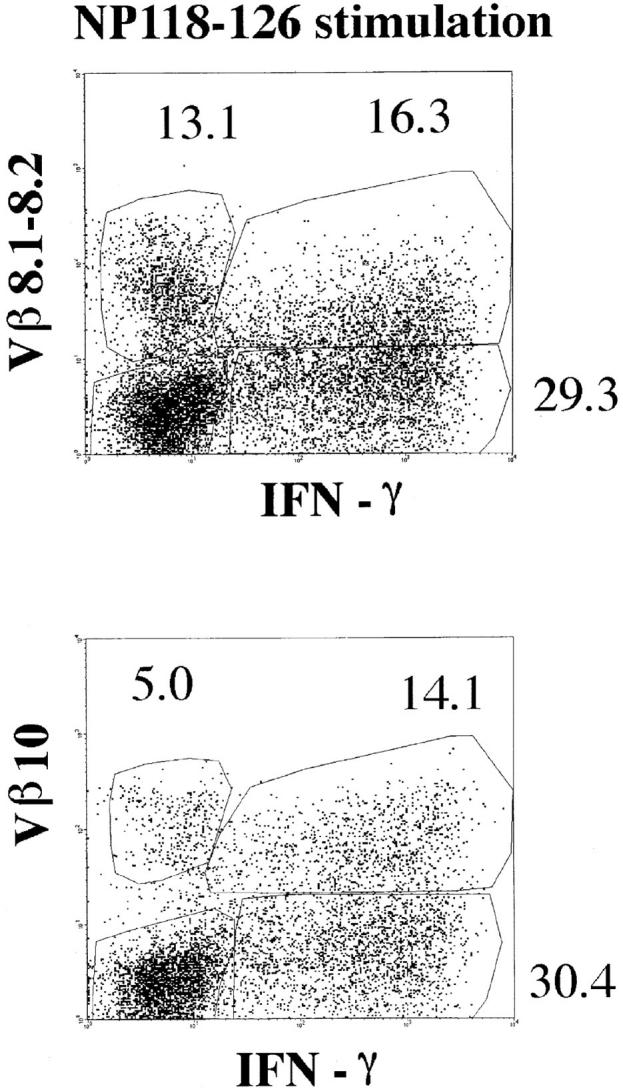
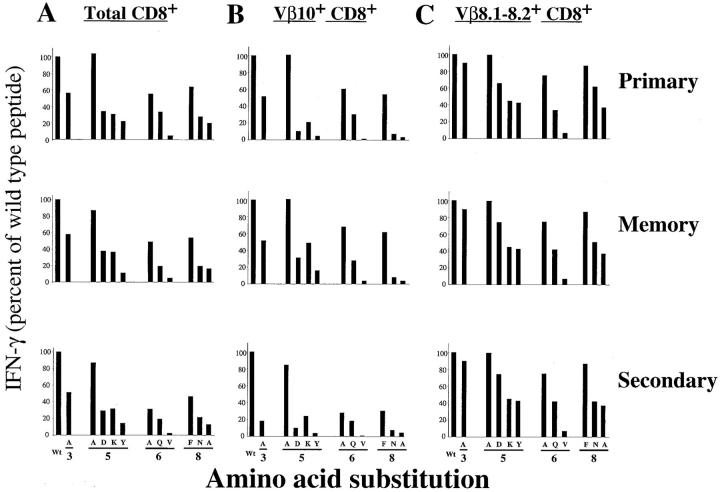
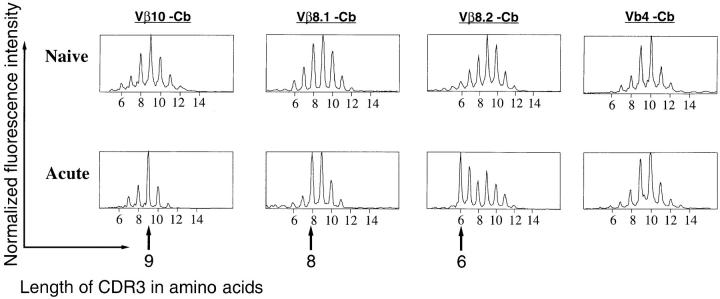
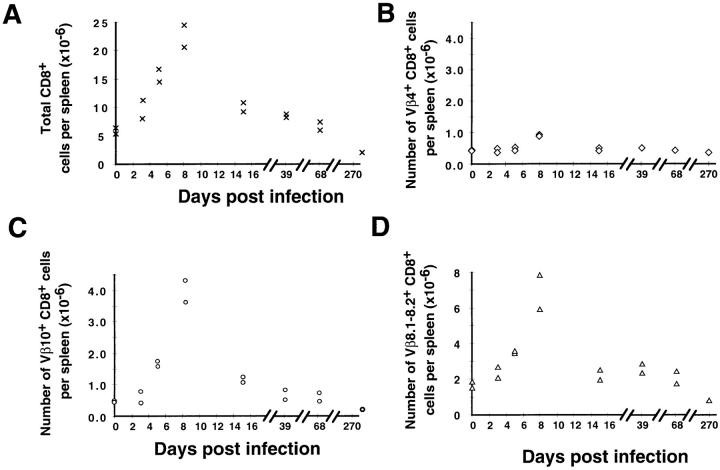
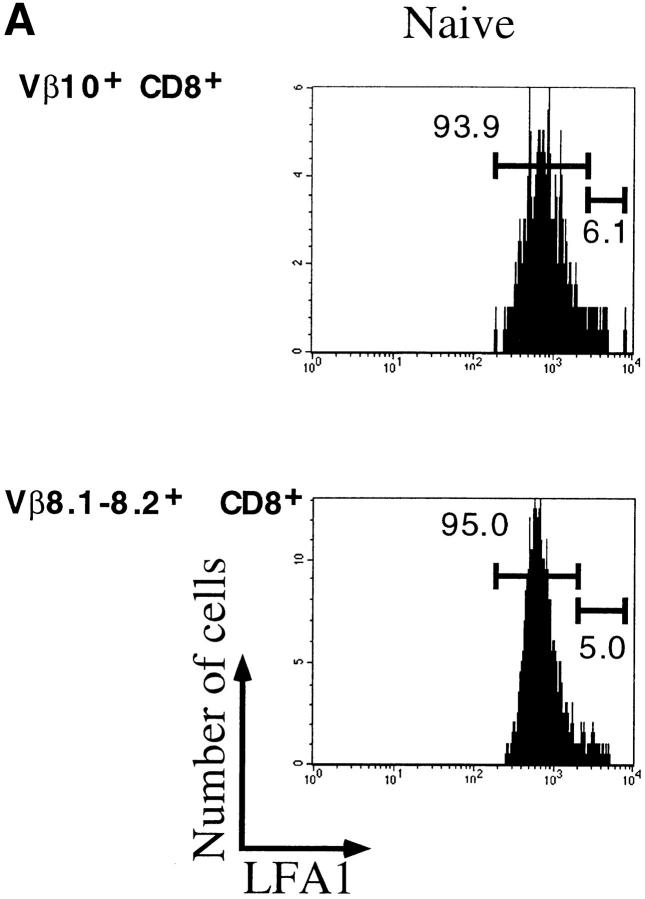
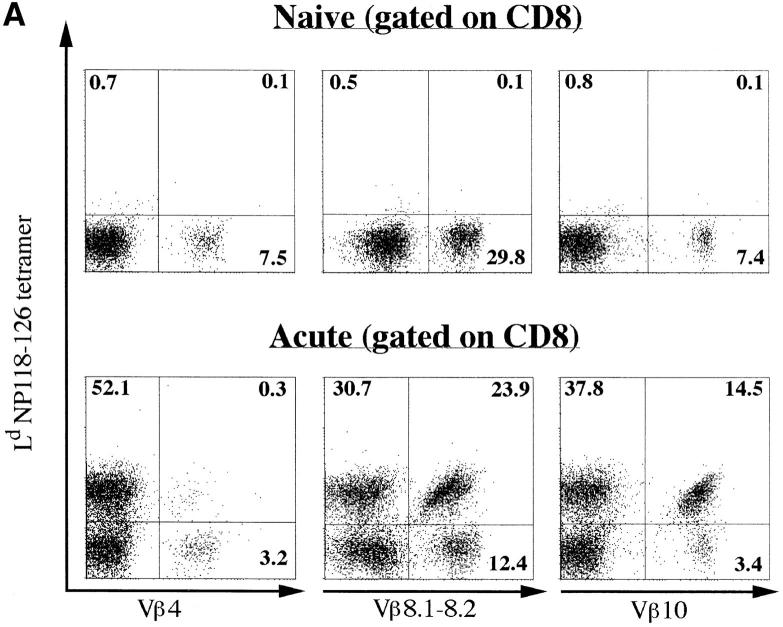
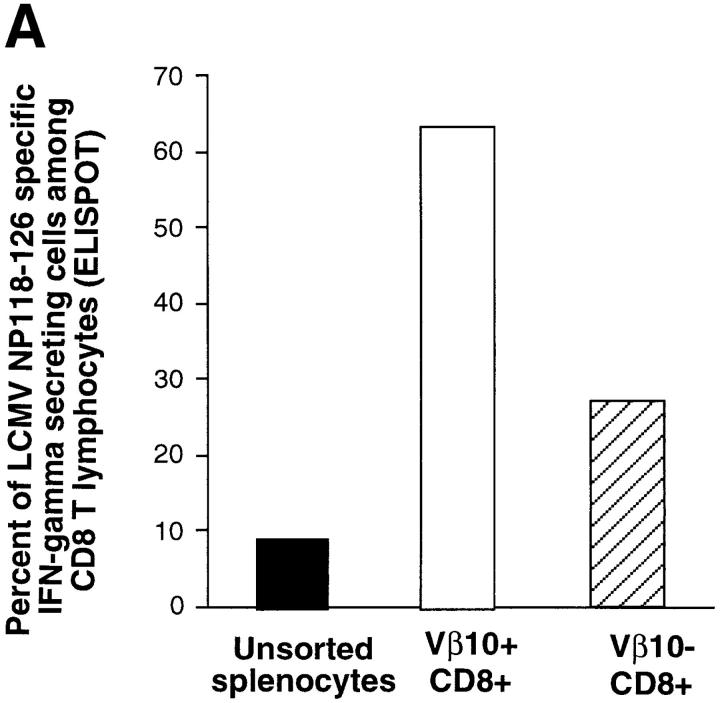
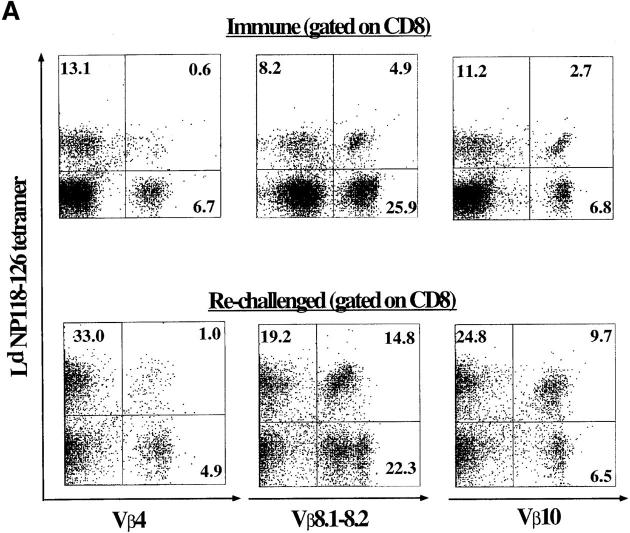
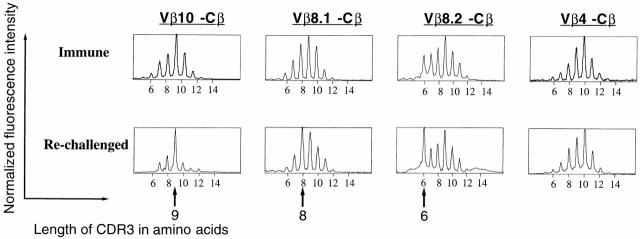
Viral infections often induce potent CD8 T cell responses that play a key role in antiviral immunity. After viral clearance, the vast majority of the expanded CD8 T cells undergo apoptosis, leaving behind a stable number of memory cells. The relationship between the CD8 T cells that clear the acute viral infection and the long-lived CD8 memory pool remaining in the individual is not fully understood. To address this issue, we examined the T cell receptor (TCR) repertoire of virus-specific CD8 T cells in the mouse model of infection with lymphocytic choriomeningitis virus (LCMV) using three approaches: (a) in vivo quantitative TCR beta chain V segment and complementarity determining region 3 (CDR3) length repertoire analysis by spectratyping (immunoscope); (b) identification of LCMV-specific CD8 T cells with MHC class I tetramers containing viral peptide and costaining with TCR Vbeta-specific antibodies; and (c) functional TCR fingerprinting based on recognition of variant peptides. We compared the repertoire of CD8 T cells responding to acute primary and secondary LCMV infections, together with that of virus-specific memory T cells in immune mice. Our analysis showed that CD8 T cells from several Vbeta families participated in the anti-LCMV response directed to the dominant cytotoxic T lymphocyte (CTL) epitope (NP118-126). However, the bulk (approximately 70%) of this CTL response was due to three privileged T cell populations systematically expanding during LCMV infection. Approximately 30% of the response consisted of Vbeta10+ CD8 T cells with a beta chain CDR3 length of nine amino acids, and 40% consisted of Vbeta8.1+ (beta CDR3 = eight amino acids) and Vbeta8.2+ cells (beta CDR3 = six amino acids). Finally, we showed that the TCR repertoire of the primary antiviral CD8 T cell response was similar both structurally and functionally to that of the memory pool and the secondary CD8 T cell effectors. These results suggest a stochastic selection of memory cells from the pool of CD8 T cells activated during primary infection.
病毒感染通常会诱导强大的CD8 T细胞反应,这在抗病毒免疫中起关键作用。病毒清除后,绝大多数扩增的CD8 T细胞会经历凋亡,仅留下稳定数量的记忆细胞。清除急性病毒感染的CD8 T细胞与个体中留存的长寿CD8记忆库之间的关系尚未完全明确。为解决这一问题,我们使用三种方法研究了感染淋巴细胞性脉络丛脑膜炎病毒(LCMV)的小鼠模型中病毒特异性CD8 T细胞的T细胞受体(TCR)库:(a)通过谱型分析(免疫谱仪)进行体内定量TCRβ链V片段和互补决定区3(CDR3)长度库分析;(b)用含病毒肽的MHC I类四聚体鉴定LCMV特异性CD8 T细胞,并与TCR Vβ特异性抗体进行共染色;(c)基于对变异肽的识别进行功能性TCR指纹分析。我们比较了对急性原发性和继发性LCMV感染作出反应的CD8 T细胞库,以及免疫小鼠中病毒特异性记忆T细胞的库。我们的分析表明,来自几个Vβ家族的CD8 T细胞参与了针对主要细胞毒性T淋巴细胞(CTL)表位(NP118 - 126)的抗LCMV反应。然而,这种CTL反应的大部分(约70%)归因于LCMV感染期间系统性扩增的三个优势T细胞群体。约30%的反应由β链CDR3长度为9个氨基酸的Vβ10 + CD8 T细胞组成,40%由Vβ8.1 +(β CDR3 = 8个氨基酸)和Vβ8.2 +细胞(β CDR3 = 6个氨基酸)组成。最后,我们表明原发性抗病毒CD8 T细胞反应的TCR库在结构和功能上与记忆库及继发性CD8 T细胞效应器的TCR库相似。这些结果表明,记忆细胞是从原发性感染期间激活的CD8 T细胞库中随机选择的。