
基于生理的动力学模型输出的三维可视化。
Three-dimensional visualization of physiologically based kinetic model outputs.
作者信息
Nichols J, Rheingans P, Lothenbach D, McGeachie R, Skow L, McKim J
机构信息
Environmental Research Laboratory-Duluth, U.S. Environmental Protection Agency, Duluth, MN 55804 USA.
出版信息
Environ Health Perspect. 1994 Nov;102(11):952-6. doi: 10.1289/ehp.94102952.
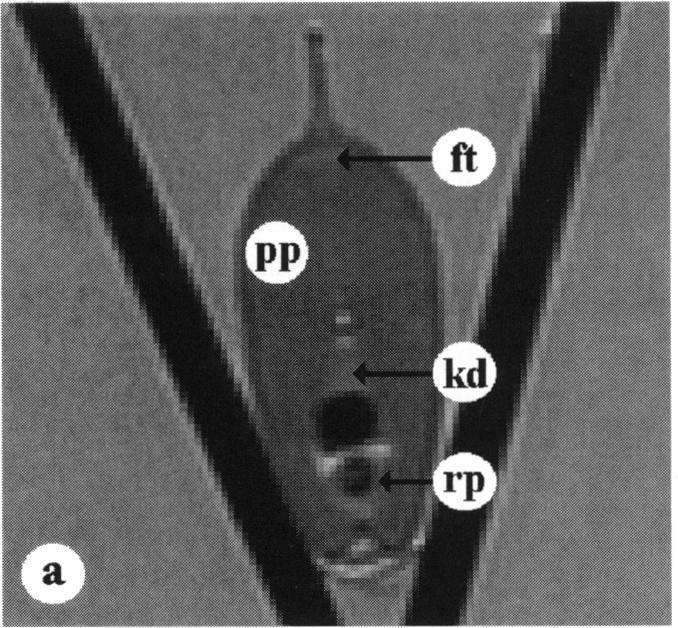
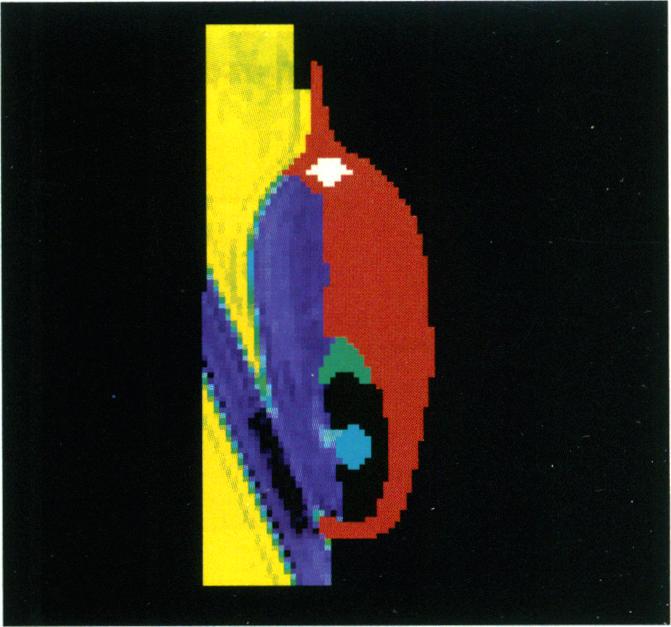
Outputs from a physiologically based toxicokinetic (PB-TK) model for fish were visualized by mapping time-series data for specific tissues onto a three-dimensional representation of a rainbow trout. The trout representation was generated in stepwise fashion: 1) cross-section images were obtained from an anesthetized fish using a magnetic resonance imaging system, 2) images were processed to classify tissue types and eliminate unnecessary detail. 3) processed images were imported to a visualization software package (Application Visualization System) to create a three-dimensional representation of the fish, encapsulating five volumes corresponding to the liver, kidney, muscle, gastrointestinal tract, and fat, Kinetic data for the disposition of pentachloroethane in trout were generated using a PB-TK model. Model outputs were mapped onto corresponding tissues volumes, representing chemical concentration as color intensity. The workstation software was then used to animate the images, illustration the accumulation of pentachloroethane in each tissue during a continuous branchial (gill) exposure.
通过将特定组织的时间序列数据映射到虹鳟鱼的三维模型上,对基于生理学的鱼类毒代动力学(PB-TK)模型的输出结果进行了可视化处理。虹鳟鱼模型的构建分阶段进行:1)使用磁共振成像系统从麻醉的鱼体获取横截面图像;2)对图像进行处理,以分类组织类型并去除不必要的细节;3)将处理后的图像导入可视化软件包(应用可视化系统),创建鱼体的三维模型,该模型包含对应肝脏、肾脏、肌肉、胃肠道和脂肪的五个体积区域。使用PB-TK模型生成了五氯乙烷在虹鳟鱼体内处置的动力学数据。模型输出结果被映射到相应的组织体积区域,以颜色强度表示化学物质浓度。然后使用工作站软件对图像进行动画处理,展示在持续鳃暴露期间五氯乙烷在每个组织中的积累情况。






 Zotero 插件