Karlsson G B, Halloran M, Schenten D, Lee J, Racz P, Tenner-Racz K, Manola J, Gelman R, Etemad-Moghadam B, Desjardins E, Wyatt R, Gerard N P, Marcon L, Margolin D, Fanton J, Axthelm M K, Letvin N L, Sodroski J
Department of Cancer Immunology and AIDS, Dana-Farber Cancer Institute, Harvard Medical School, Boston, Massachusetts 02115, USA.
J Exp Med. 1998 Sep 21;188(6):1159-71. doi: 10.1084/jem.188.6.1159.
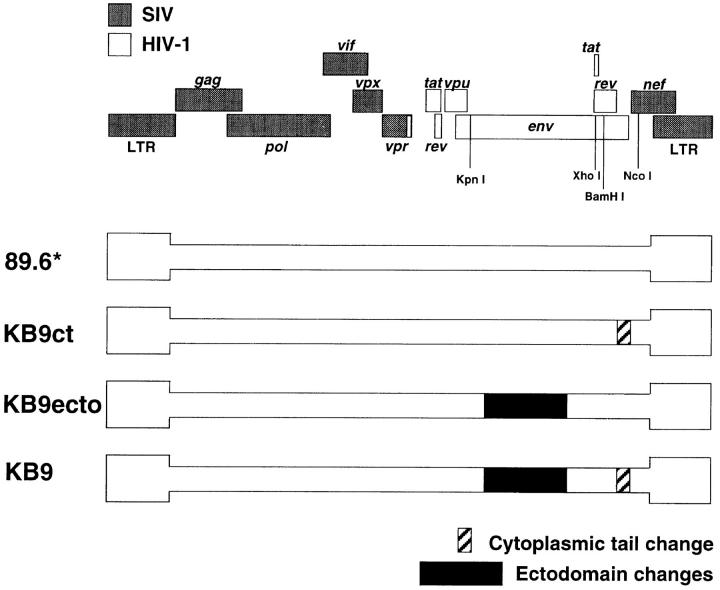
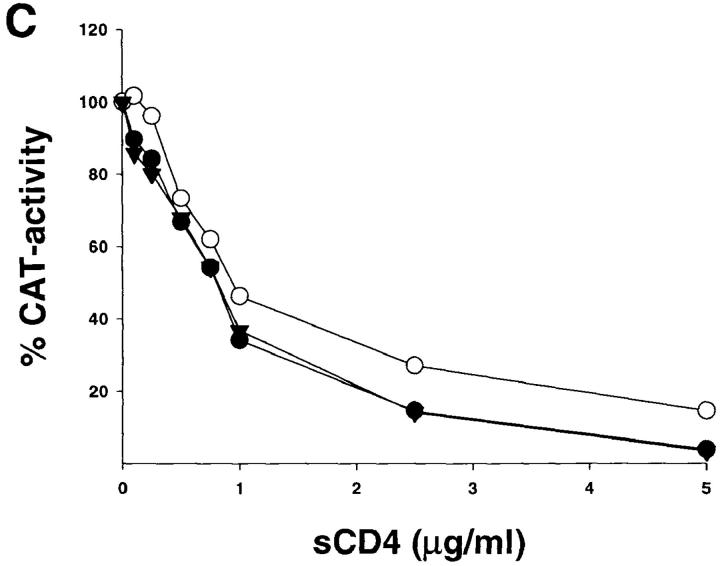
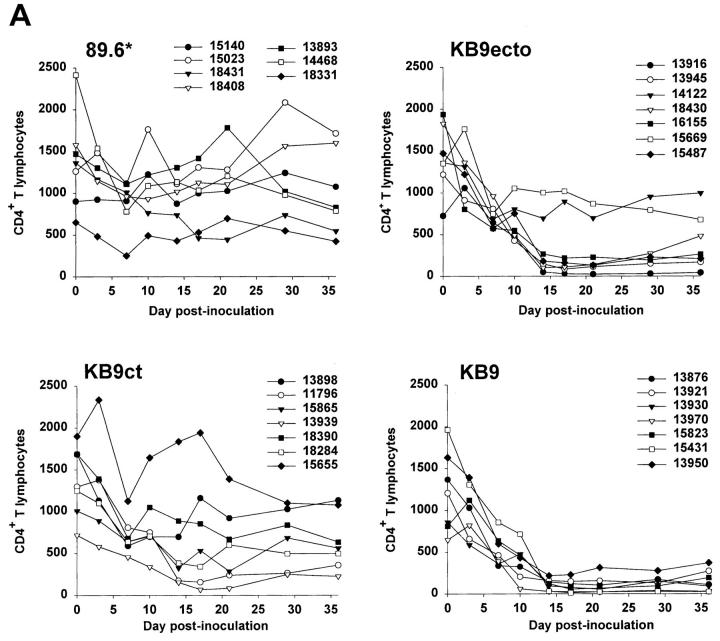
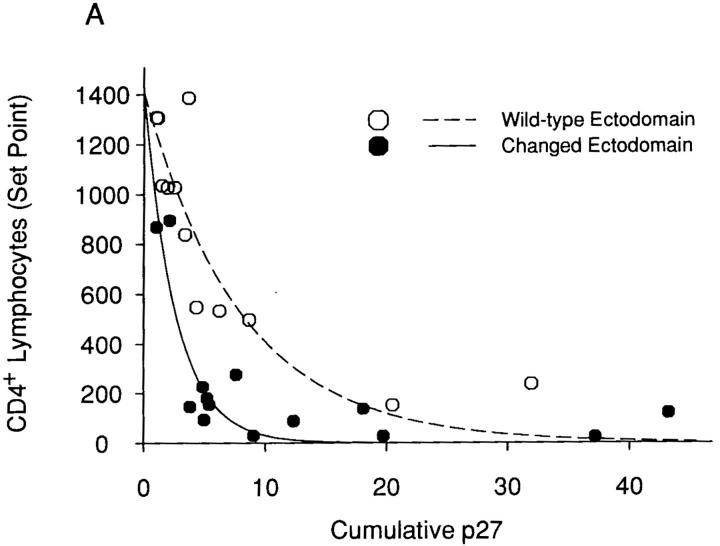
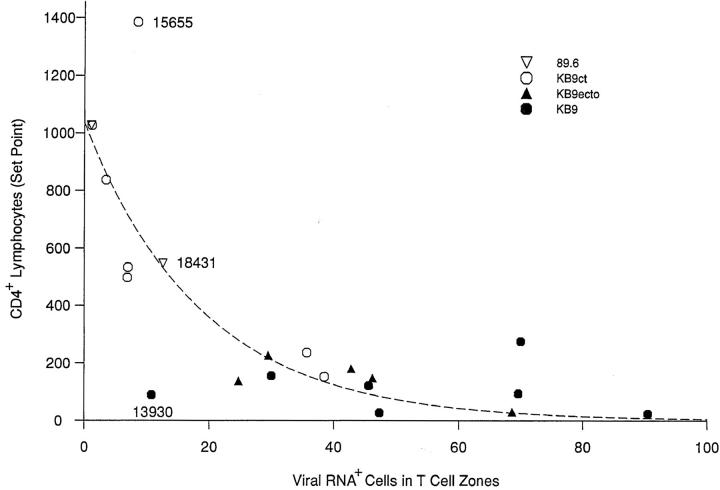
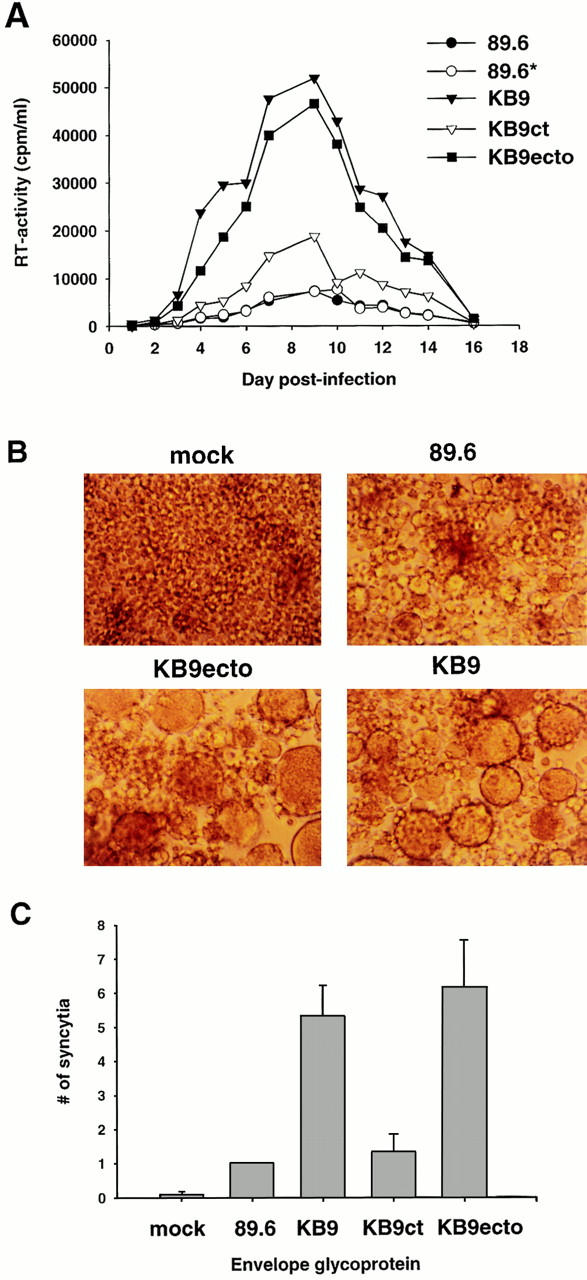
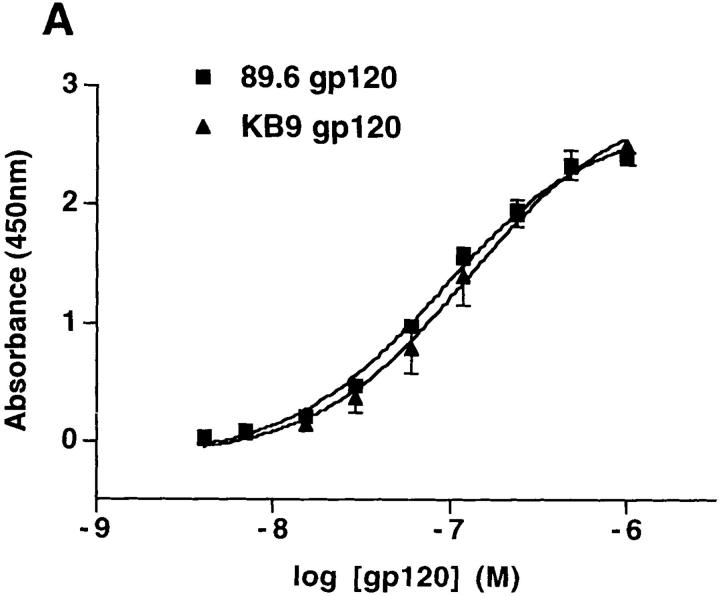
CD4+ T lymphocyte depletion in human immunodeficiency virus type 1 (HIV-1)-infected humans underlies the development of acquired immune deficiency syndrome. Using a model in which rhesus macaques were infected with chimeric simian-human immunodeficiency viruses (SHIVs), we show that both the level of viremia and the structure of the HIV-1 envelope glycoprotein ectodomains individually contributed to the efficiency with which CD4(+) T lymphocytes were depleted. The envelope glycoproteins of recombinant SHIVs that efficiently caused loss of CD4(+) T lymphocytes exhibited increased chemokine receptor binding and membrane-fusing capacity compared with those of less pathogenic viruses. These studies identify the HIV-1 envelope glycoprotein ectodomains as determinants of CD4(+) T lymphocyte loss in vivo and provide a foundation for studying pathogenic mechanisms.
人类免疫缺陷病毒1型(HIV-1)感染的人体内CD4 + T淋巴细胞耗竭是获得性免疫缺陷综合征发展的基础。使用恒河猴感染嵌合猿猴-人类免疫缺陷病毒(SHIV)的模型,我们发现病毒血症水平和HIV-1包膜糖蛋白胞外结构域的结构分别对CD4(+)T淋巴细胞的耗竭效率有影响。与致病性较低的病毒相比,能有效导致CD4(+)T淋巴细胞丧失的重组SHIV包膜糖蛋白表现出增强的趋化因子受体结合能力和膜融合能力。这些研究确定了HIV-1包膜糖蛋白胞外结构域是体内CD4(+)T淋巴细胞丧失的决定因素,并为研究致病机制提供了基础。