Min B, Legge K L, Pack C, Zaghouani H
Department of Microbiology, University of Tennessee, Knoxville, Tennessee 37996, USA.
J Exp Med. 1998 Dec 7;188(11):2007-17. doi: 10.1084/jem.188.11.2007.
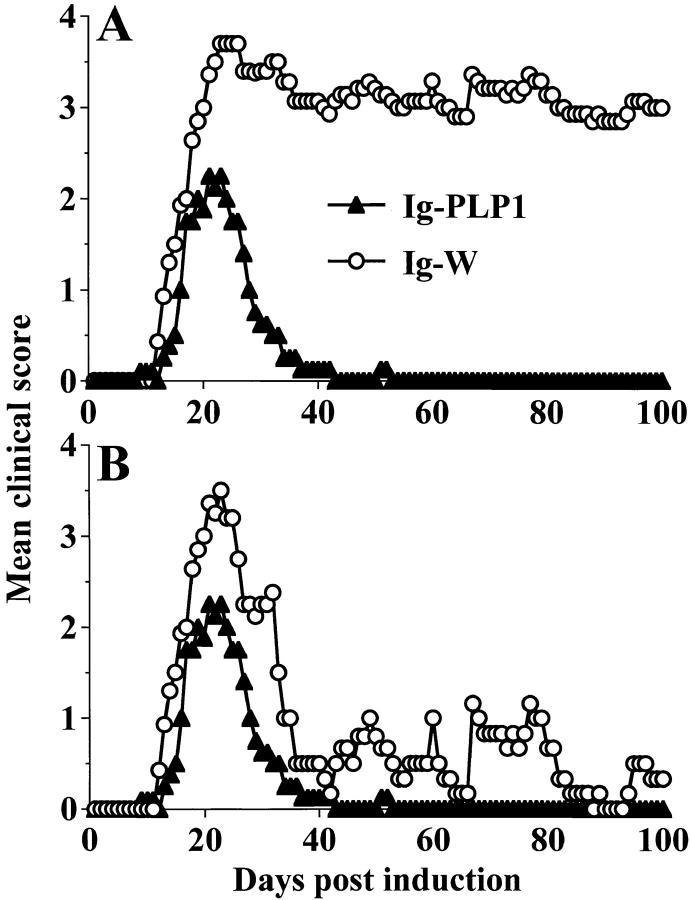
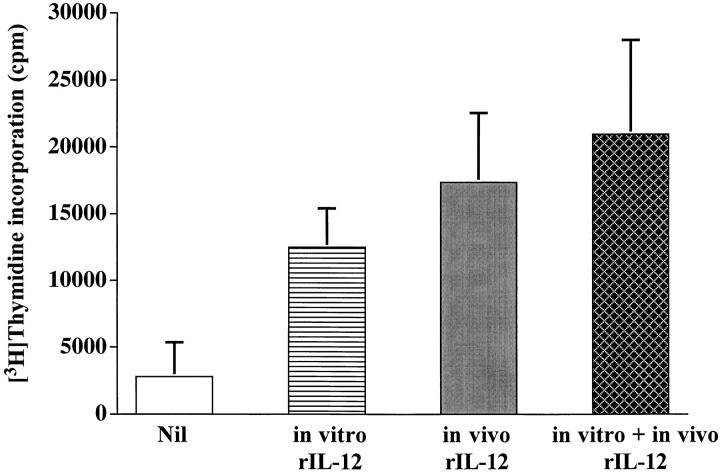
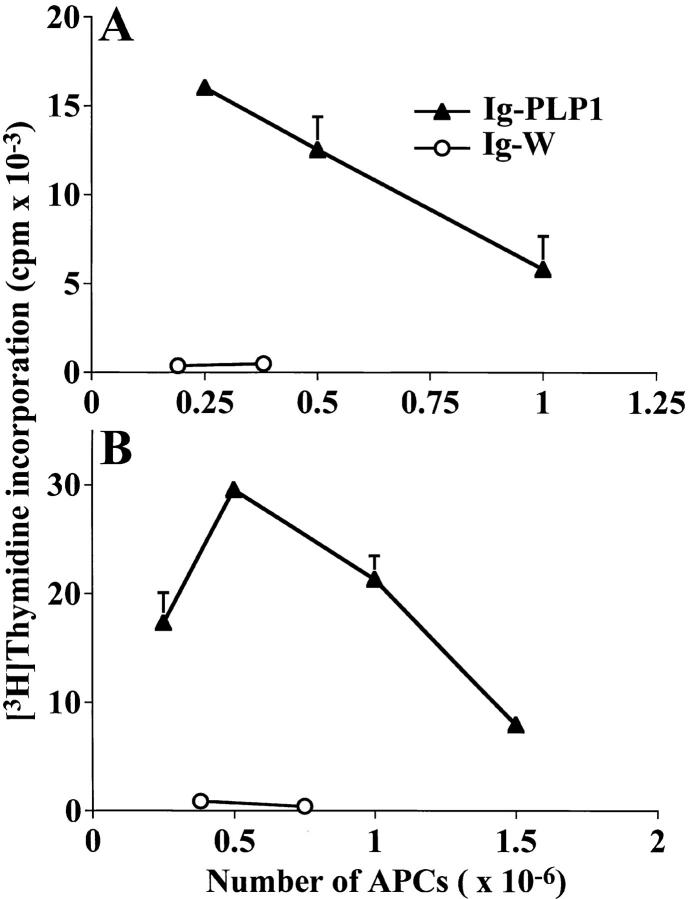
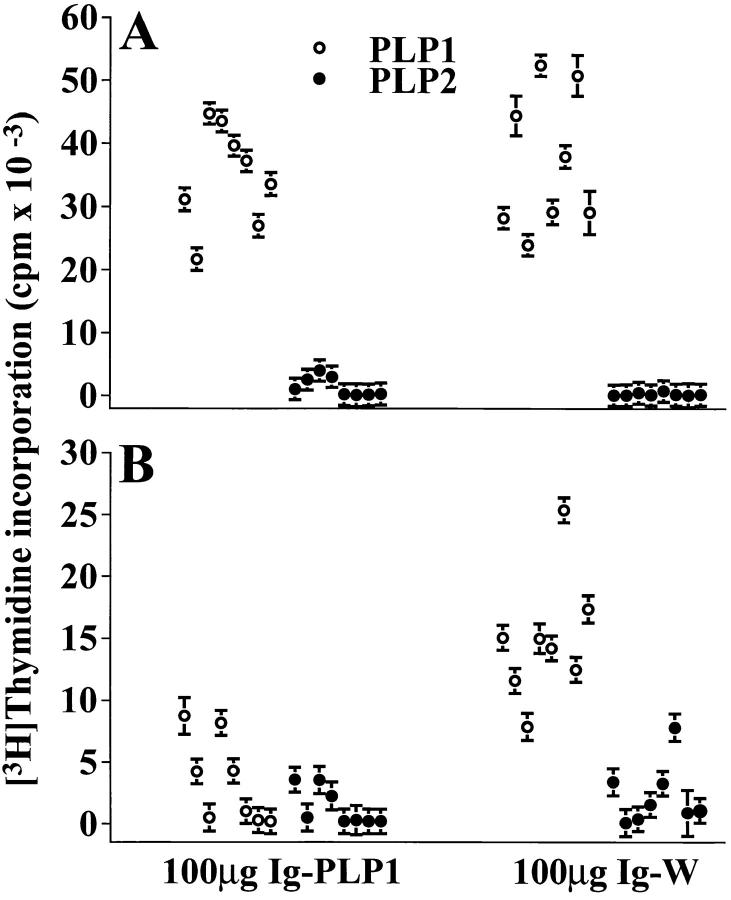
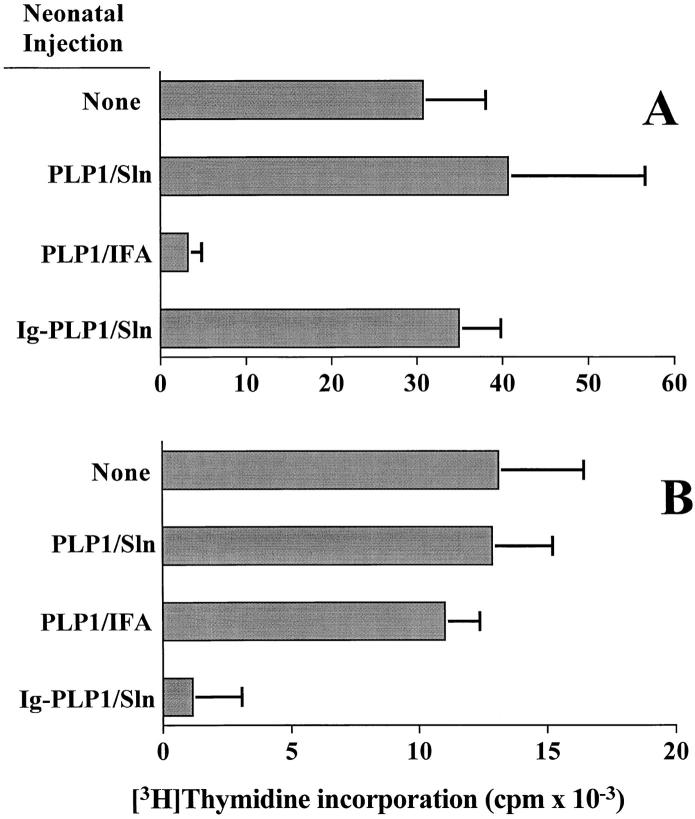
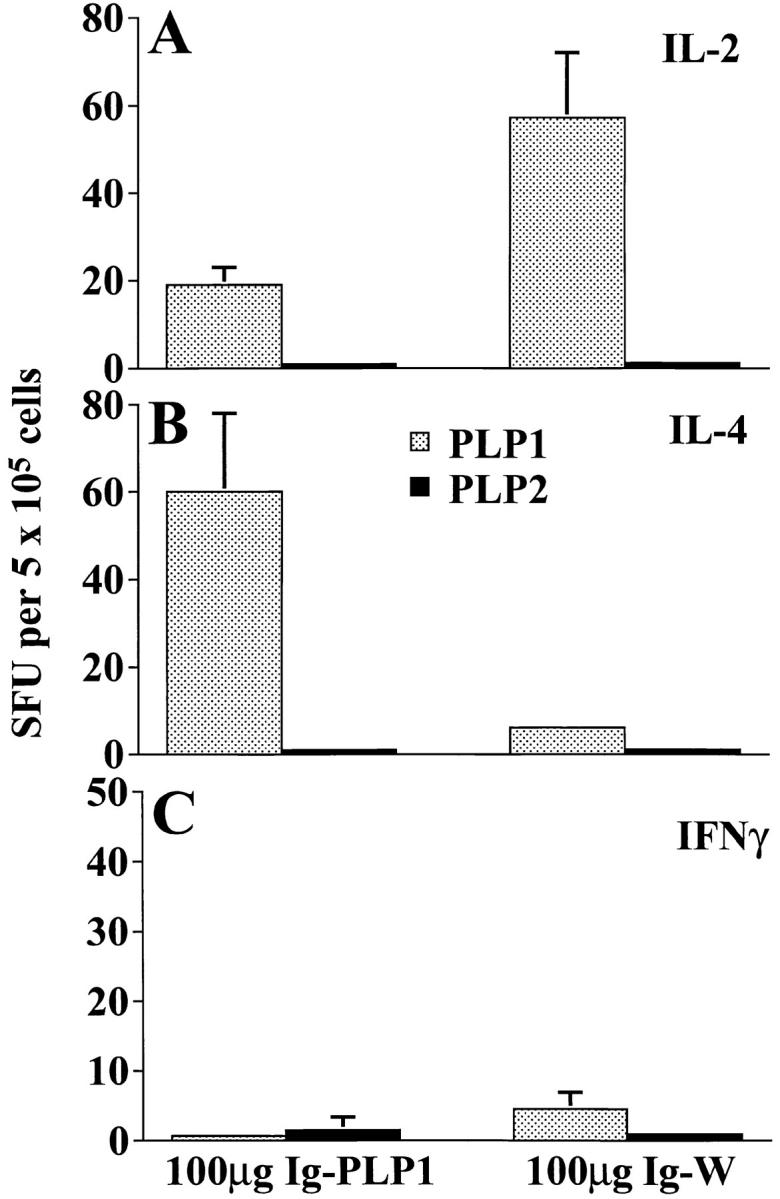
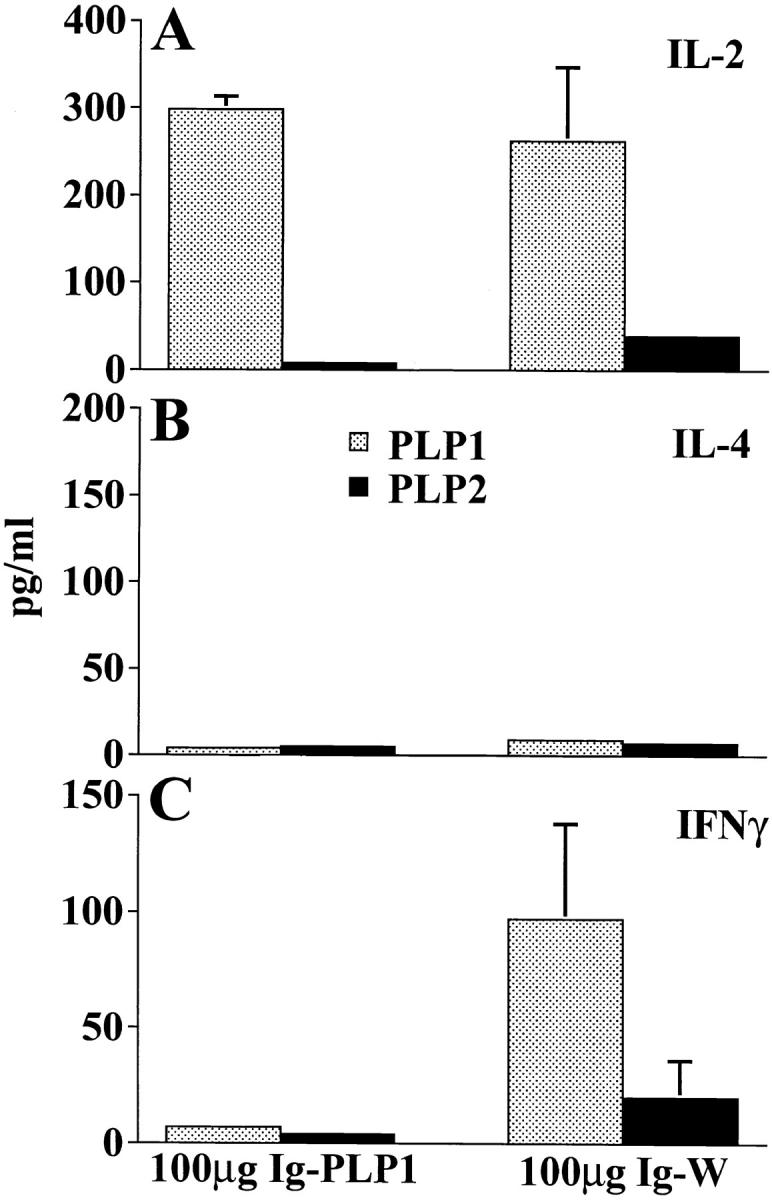
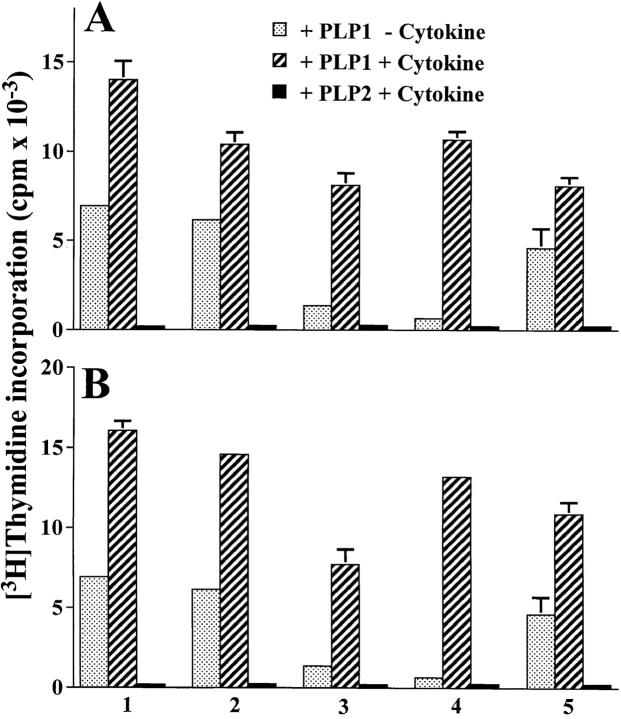
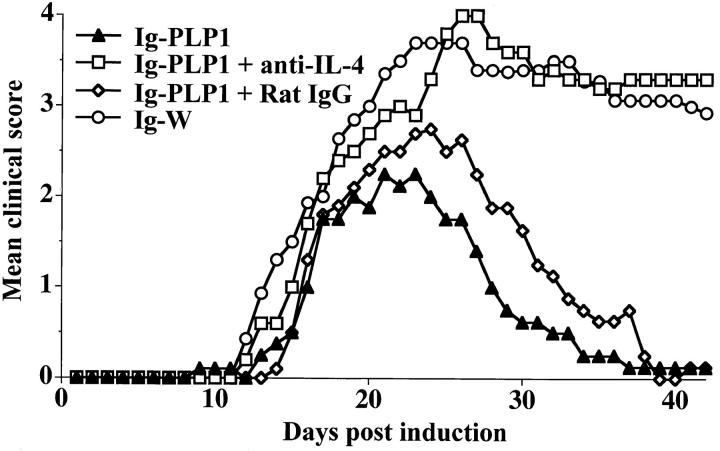
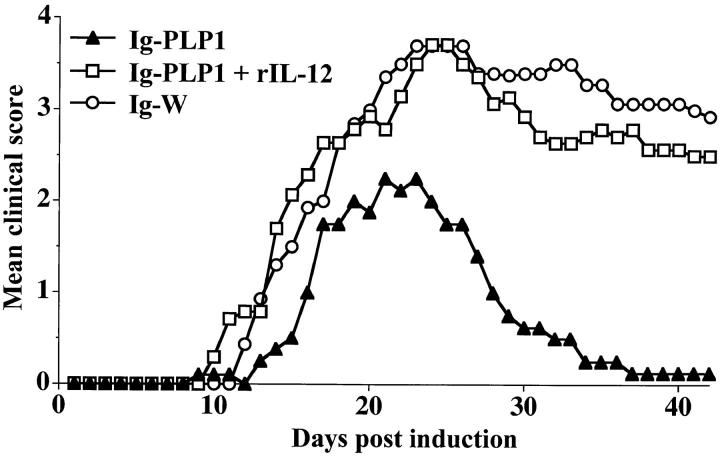
Induction of neonatal T cell tolerance to soluble antigens requires the use of incomplete Freund's adjuvant (IFA). The side effects that could be associated with IFA and the ill-defined mechanism underlying neonatal tolerance are setbacks for this otherwise attractive strategy for prevention of T cell-mediated autoimmune diseases. Presumably, IFA contributes a slow antigen release and induction of cytokines influential in T cell differentiation. Immunoglobulins (Igs) have long half-lives and could induce cytokine secretion by binding to Fc receptors on target cells. Our hypothesis was that peptide delivery by Igs may circumvent the use of IFA and induce neonatal tolerance that could confer resistance to autoimmunity. To address this issue we used the proteolipid protein (PLP) sequence 139-151 (hereafter referred to as PLP1), which is encephalitogenic and induces experimental autoimmune encephalomyelitis (EAE) in SJL/J mice. PLP1 was expressed on an Ig, and the resulting Ig-PLP1 chimera when injected in saline into newborn mice confers resistance to EAE induction later in life. Mice injected with Ig-PLP1 at birth and challenged as adults with PLP1 developed T cell proliferation in the lymph node but not in the spleen, whereas control mice injected with Ig-W, the parental Ig not including PLP1, developed T cell responses in both lymphoid organs. The lymph node T cells from Ig-PLP1 recipient mice were deviated and produced interleukin (IL)-4 instead of IL-2, whereas the spleen cells, although nonproliferative, produced IL-2 but not interferon (IFN)-gamma. Exogenous IFN-gamma, as well as IL-12, restored splenic proliferation in an antigen specific manner. IL-12-rescued T cells continued to secrete IL-2 and regained the ability to produce IFN-gamma. In vivo, administration of anti-IL-4 antibody or IL-12 restored disease severity. Therefore, adjuvant-free induced neonatal tolerance prevents autoimmunity by an organ-specific regulation of T cells that involves both immune deviation and a new form of cytokine- dependent T cell anergy.
诱导新生T细胞对可溶性抗原产生耐受性需要使用不完全弗氏佐剂(IFA)。与IFA相关的副作用以及新生耐受性背后尚不明确的机制,是这种原本颇具吸引力的预防T细胞介导的自身免疫性疾病策略的障碍。据推测,IFA有助于缓慢释放抗原并诱导对T细胞分化有影响的细胞因子。免疫球蛋白(Ig)具有较长的半衰期,并且可以通过与靶细胞上的Fc受体结合来诱导细胞因子分泌。我们的假设是,通过Ig递送肽可能避免使用IFA,并诱导可赋予自身免疫抗性的新生耐受性。为了解决这个问题,我们使用了蛋白脂质蛋白(PLP)序列139 - 151(以下简称PLP1),它具有致脑炎性,可在SJL/J小鼠中诱导实验性自身免疫性脑脊髓炎(EAE)。PLP1在一种Ig上表达,当将所得的Ig - PLP1嵌合体经盐水注射到新生小鼠体内时,可使其在生命后期对EAE诱导产生抗性。出生时注射Ig - PLP1并在成年后用PLP1攻击的小鼠,其淋巴结中出现T细胞增殖,但脾脏中未出现,而注射Ig - W(不包含PLP1的亲本Ig)的对照小鼠在两个淋巴器官中均出现T细胞反应。来自Ig - PLP1受体小鼠的淋巴结T细胞发生了偏向,产生白细胞介素(IL)-4而非IL - 2,而脾脏细胞虽然不增殖,但产生IL - 2而非干扰素(IFN)-γ。外源性IFN - γ以及IL - 12以抗原特异性方式恢复了脾脏增殖。IL - 12拯救的T细胞继续分泌IL - 2并重新获得产生IFN - γ的能力。在体内,给予抗IL - 4抗体或IL - 用这种无佐剂诱导新生耐受性可通过对T细胞的器官特异性调节来预防自身免疫,这种调节涉及免疫偏向和一种新形式的细胞因子依赖性T细胞无反应性。