Domínguez M, Toraño A
Servicio de Inmunología, Centro Nacional de Microbiología, Instituto de Salud Carlos III, Majadahonda, E-28220 Madrid, Spain.
J Exp Med. 1999 Jan 4;189(1):25-35. doi: 10.1084/jem.189.1.25.
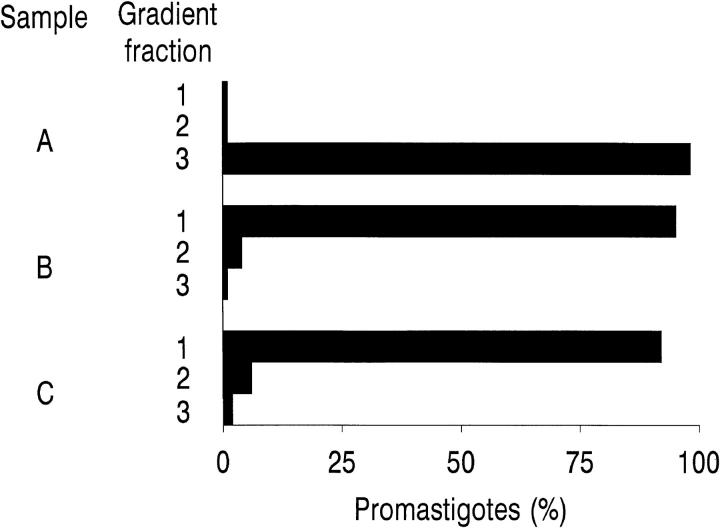
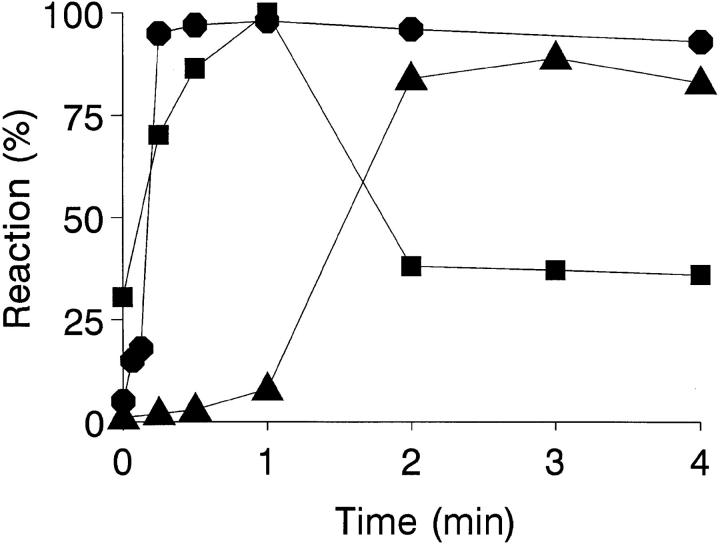
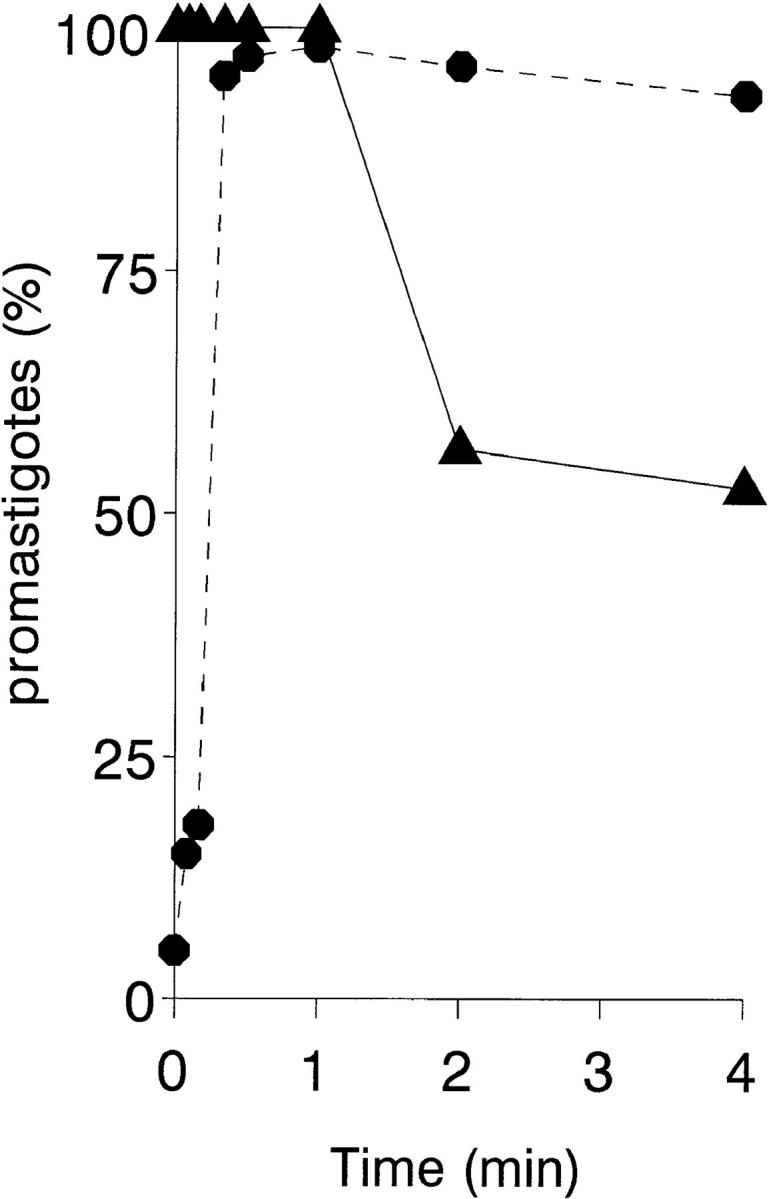
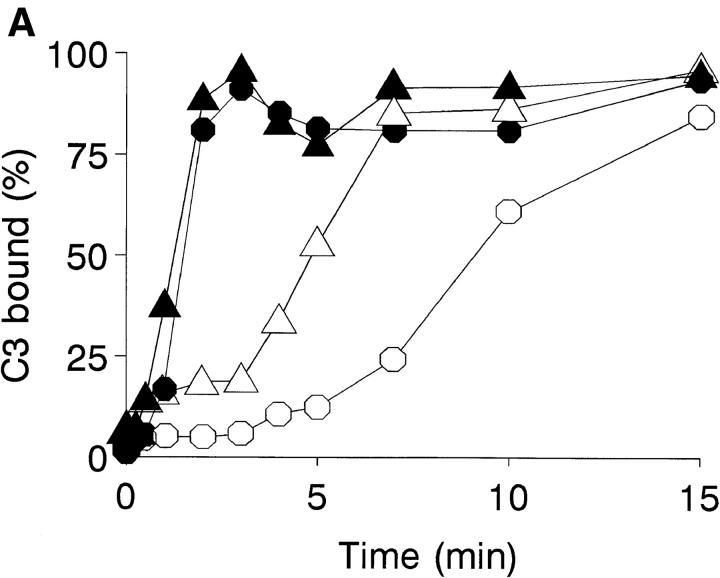
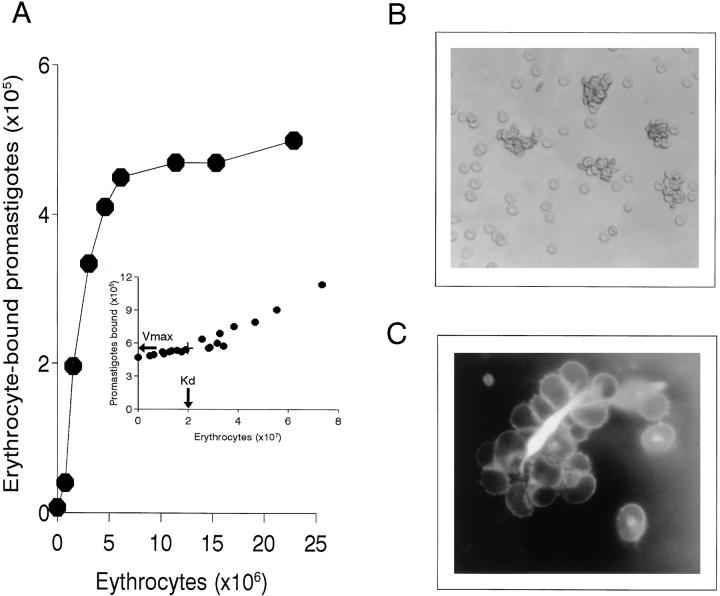
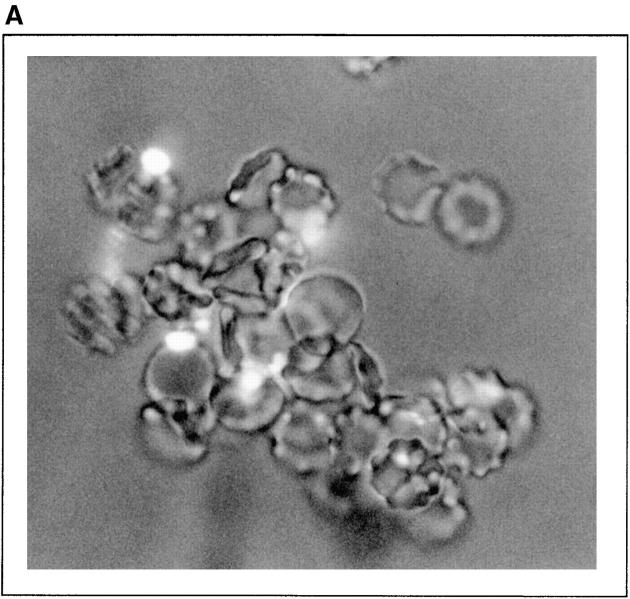
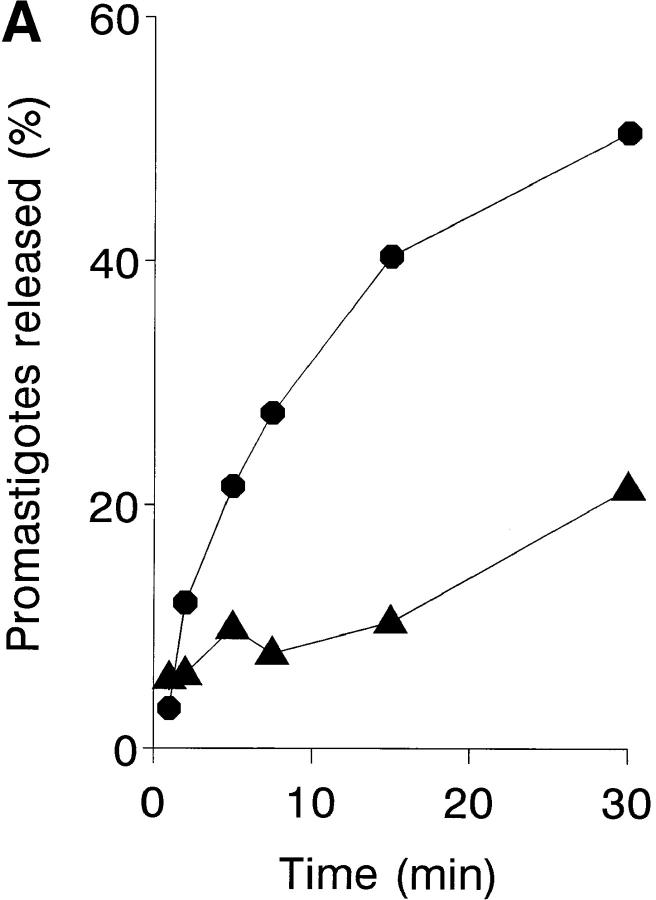
To mimic the sandfly pool feeding process and characterize the cellular and biochemical events that occur during the early stages of promastigote-host interaction, we developed an ex vivo model of human blood infection with Leishmania promastigotes. Within 30 s of blood contact, Leishmania promastigotes bind natural anti-Leishmania antibodies, which then activate the classical complement pathway and opsonization by the third component of complement. The opsonized promastigotes undergo an immune adherence reaction and bind quantitatively to erythrocyte CR1 receptors; opsonized Leishmania amastigotes also bind to erythrocytes. Progression of infection implies promastigote transfer from erythrocytes to acceptor blood leukocytes. After 10 min of ex vivo infection, 25% of all leukocytes contain intracellular parasites, indicating that blood cells are the early targets for the invading promastigotes. We propose that adaptation to the immune adherence mechanism aids Leishmania survival, promoting rapid promastigote phagocytosis by leukocytes. This facilitates host colonization and may represent the parasite's earliest survival strategy. In light of this mechanism, it is unlikely that infection-blocking vaccines can be developed.
为模拟白蛉群体吸血过程并表征前鞭毛体与宿主相互作用早期阶段发生的细胞和生化事件,我们建立了利什曼原虫前鞭毛体感染人血的体外模型。在接触血液30秒内,利什曼原虫前鞭毛体结合天然抗利什曼原虫抗体,进而激活经典补体途径并通过补体第三成分进行调理作用。经调理的前鞭毛体发生免疫黏附反应并定量结合红细胞CR1受体;经调理的利什曼原虫无鞭毛体也能结合红细胞。感染进展意味着前鞭毛体从红细胞转移至受体血白细胞。体外感染10分钟后,所有白细胞中有25%含有细胞内寄生虫,表明血细胞是入侵前鞭毛体的早期靶标。我们认为,适应免疫黏附机制有助于利什曼原虫存活,促进白细胞对前鞭毛体的快速吞噬。这有利于在宿主体内定殖,可能代表了寄生虫最早的生存策略。鉴于此机制,开发感染阻断疫苗不太可能实现。