Lu X, Fein A, Feinstein M B, O'Rourke F A
Department of Pharmacology, The University of Connecticut Health Center, Farmington, Connecticut 06030, USA.
J Gen Physiol. 1999 Jan;113(1):81-96. doi: 10.1085/jgp.113.1.81.
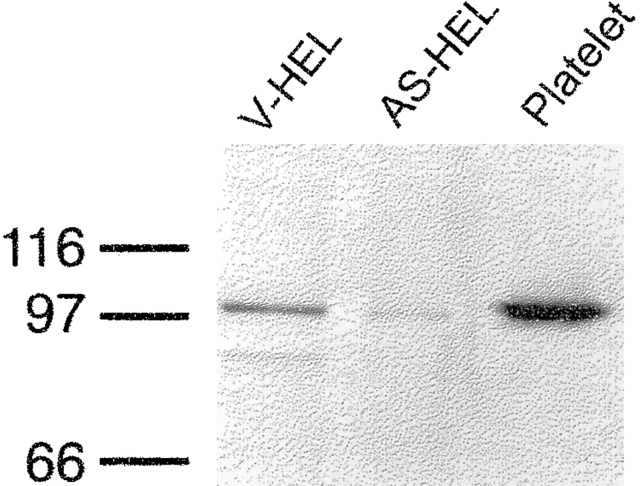
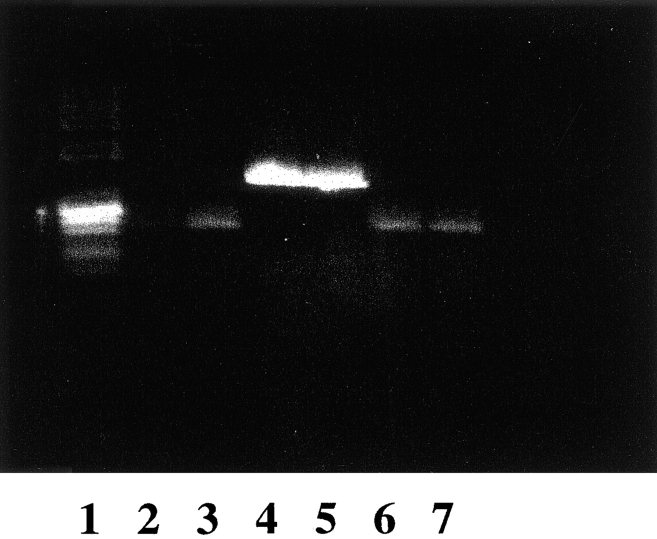
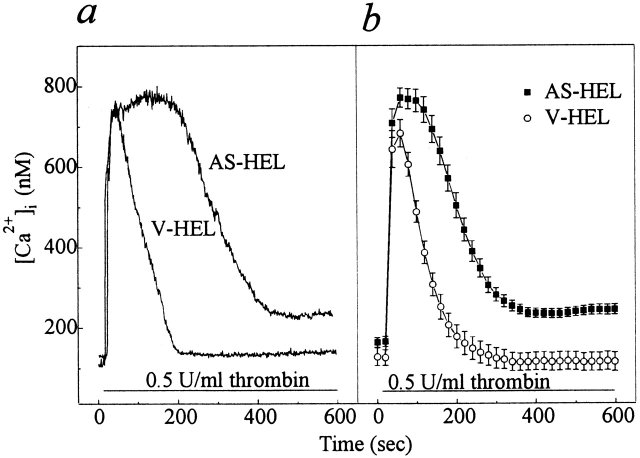
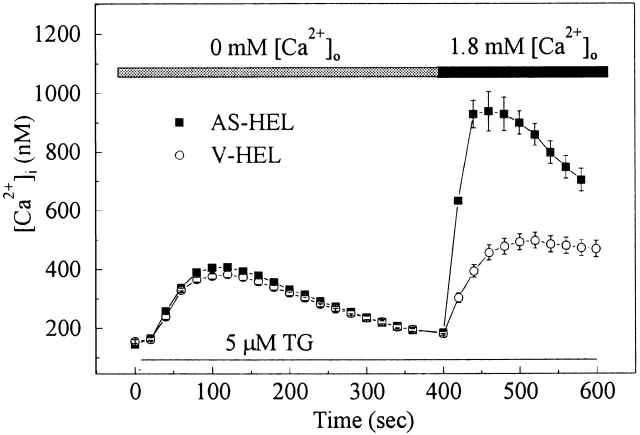
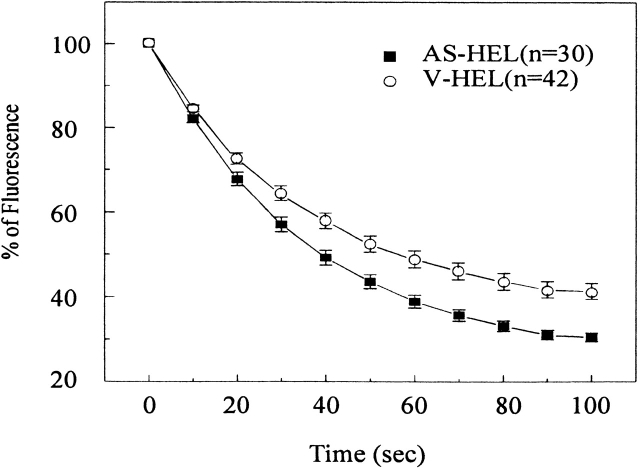
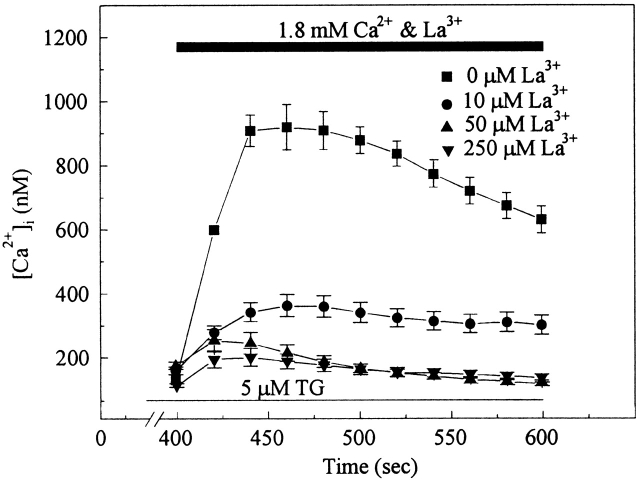
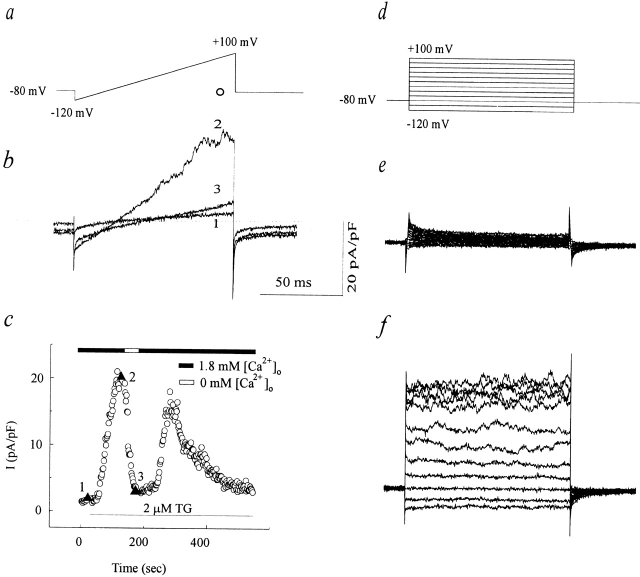
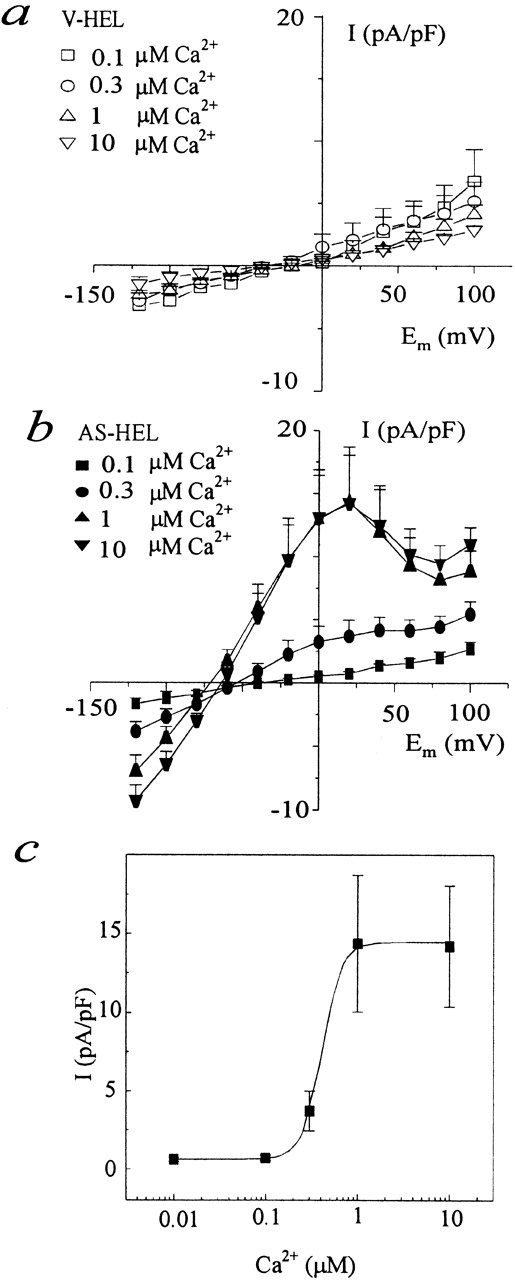
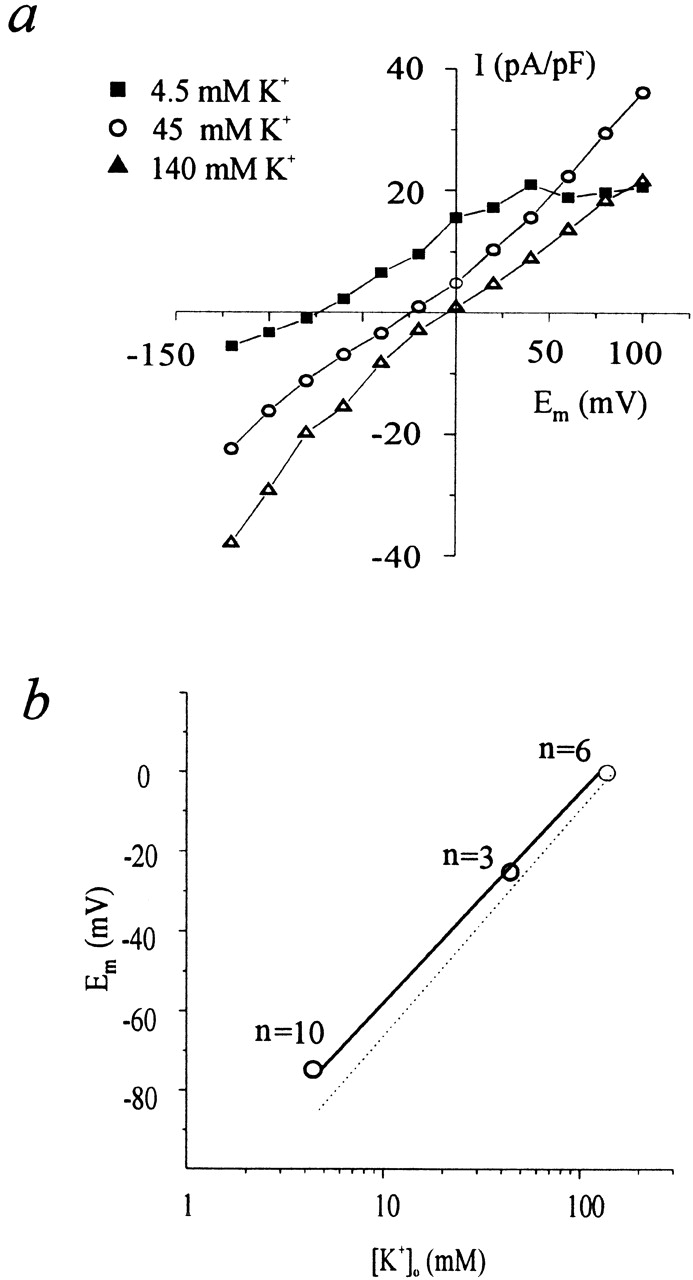
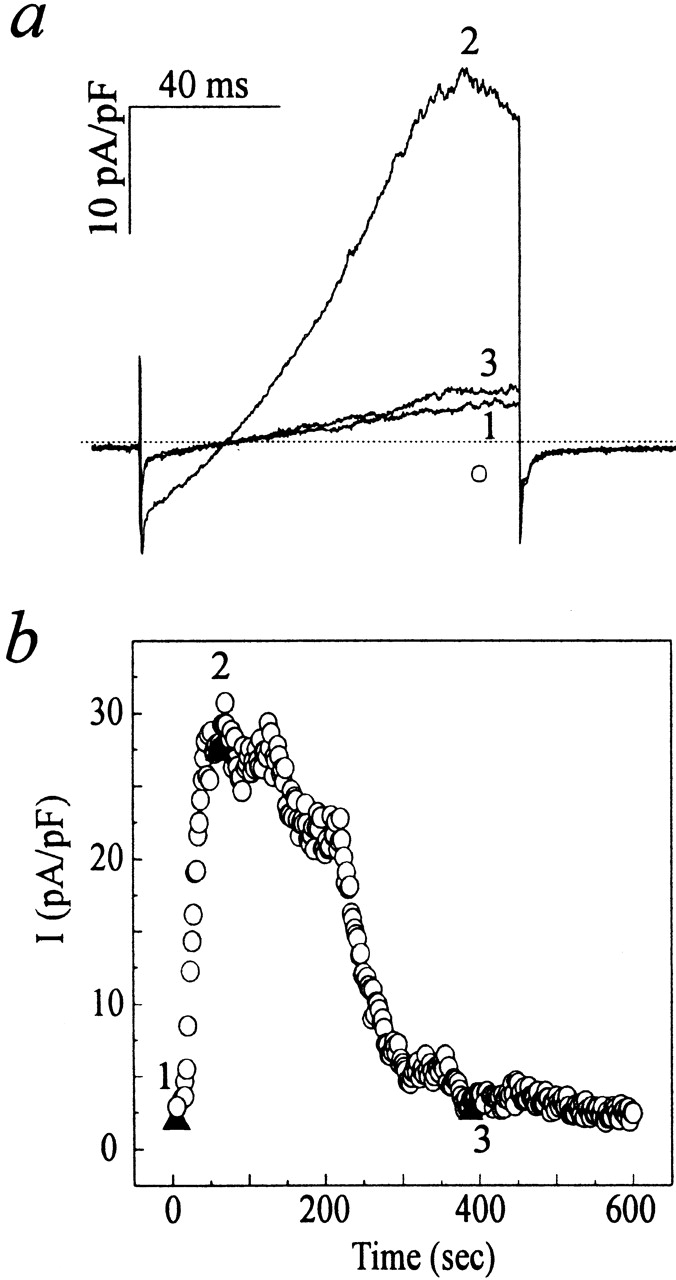
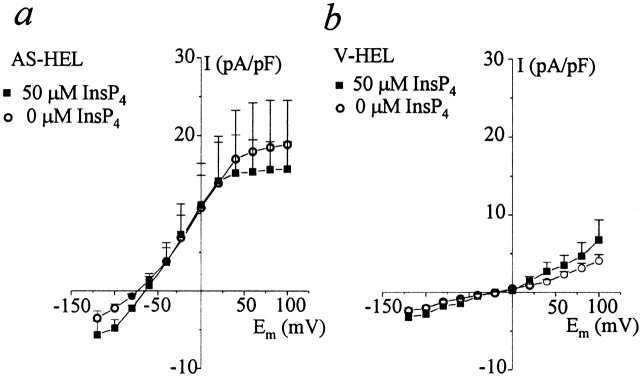
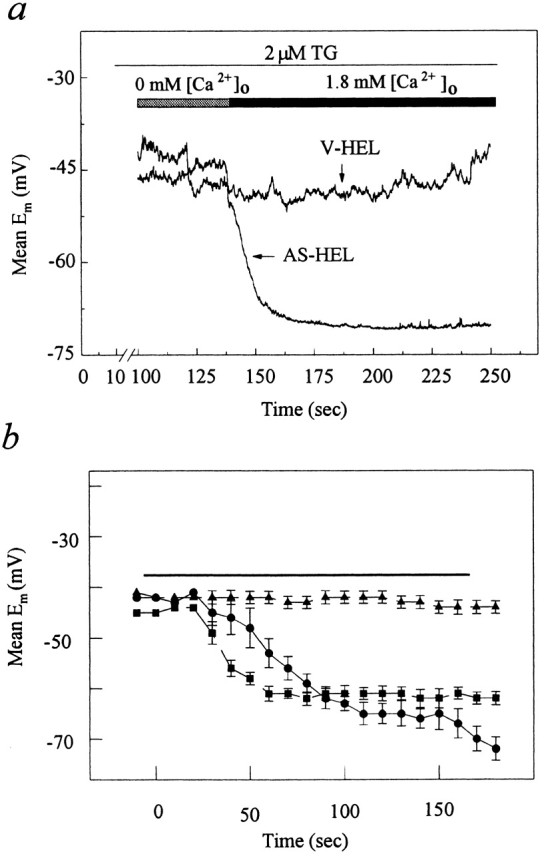
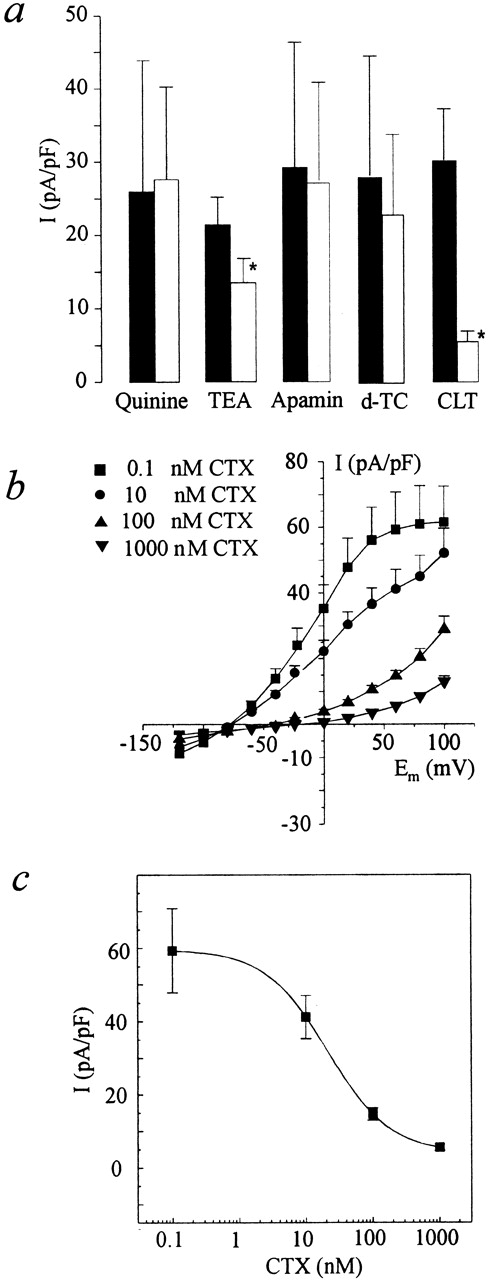
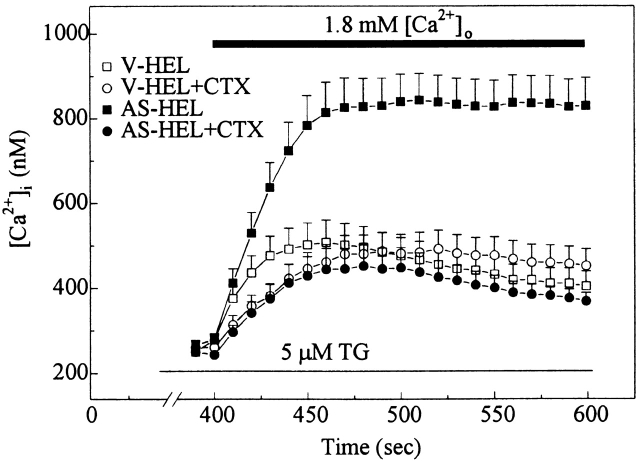
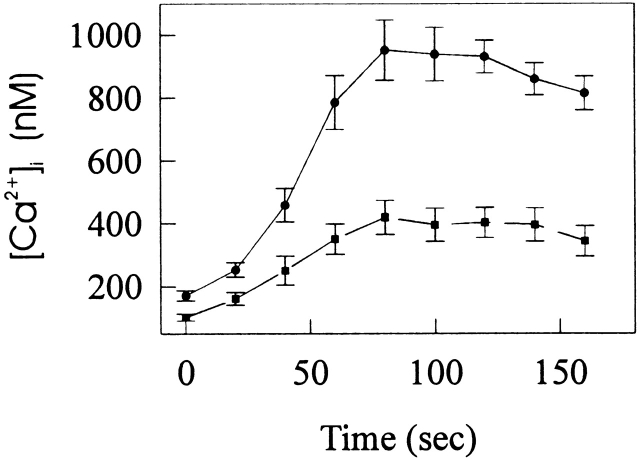
To study the role of the inositol 1,3,4,5-trisphosphate-binding protein GAP1(IP4BP) in store-operated Ca2+ entry, we established a human erythroleukemia (HEL) cell line in which the expression of GAP1(IP4BP) was substantially reduced by transfection with a vector containing antisense DNA under control of a Rous Sarcoma virus promoter and the Escherichia coli LacI repressor (AS-HEL cells). Control cells were transfected with vector lacking antisense DNA (V-HEL cells). GAP1(IP4BP) protein, which is a member of the GTPase-activating protein (GAP1) family, was reduced by 85% in AS-HEL cells and was further reduced by 96% by treatment with isopropylthio-beta-D- galactoside to relieve LacI repression. The loss of GAP1(IP4BP) was associated with both a membrane hyperpolarization and a substantially increased Ca2+ entry induced by thrombin or thapsigargin. The activation of intermediate conductance Ca2+-activated K+ channels in AS-HEL cells (not seen in V-HEL cells) was responsible for the membrane hyperpolarization and the enhanced Ca2+ entry, and both were blocked by charybdotoxin. Stimulated V-HEL cells did not hyperpolarize and basal Ca2+ influx was unaffected by charybdotoxin. In V-HEL cells hyperpolarized by removal of extracellular K+, the thapsigargin-stimulated Ca2+ influx was increased. Expression of mRNA for the human Ca2+-activated intermediate conductance channel KCa4 was equivalent in both AS-HEL and V-HEL cells, suggesting that the specific appearance of calcium-activated potassium current (IK(Ca)) in AS-HEL cells was possibly due to modulation of preexisting channels. Our results demonstrate that GAP1(IP4BP), likely working through a signaling pathway dependent on a small GTP-binding protein, can regulate the function of K(Ca) channels that produce a hyperpolarizing current that substantially enhances the magnitude and time course of Ca2+ entry subsequent to the release of internal Ca2+ stores.
为研究肌醇1,3,4,5 - 三磷酸结合蛋白GAP1(IP4BP)在储存性钙内流中的作用,我们建立了一种人红白血病(HEL)细胞系,该细胞系通过用含有在劳氏肉瘤病毒启动子和大肠杆菌LacI阻遏物控制下的反义DNA的载体转染,使GAP1(IP4BP)的表达大幅降低(AS - HEL细胞)。对照细胞用缺乏反义DNA的载体转染(V - HEL细胞)。GAP1(IP4BP)蛋白是GTP酶激活蛋白(GAP1)家族的成员,在AS - HEL细胞中减少了85%,并用异丙基硫代 - β - D - 半乳糖苷处理以解除LacI阻遏后进一步减少了96%。GAP1(IP4BP)的缺失与膜超极化以及凝血酶或毒胡萝卜素诱导的钙内流大幅增加有关。AS - HEL细胞中中等电导钙激活钾通道的激活(在V - HEL细胞中未观察到)导致了膜超极化和增强的钙内流,两者均被蝎毒素阻断。刺激的V - HEL细胞未发生超极化,基础钙内流不受蝎毒素影响。在通过去除细胞外钾而超极化的V - HEL细胞中,毒胡萝卜素刺激的钙内流增加。人钙激活中等电导通道KCa4的mRNA表达在AS - HEL细胞和V - HEL细胞中相当,这表明AS - HEL细胞中钙激活钾电流(IK(Ca))的特异性出现可能是由于对现有通道的调节。我们的结果表明,GAP1(IP4BP)可能通过依赖小GTP结合蛋白的信号通路发挥作用,可调节产生超极化电流的K(Ca)通道的功能,该电流在内部钙储存释放后可大幅增强钙内流的幅度和时间进程。