Richard Benzinger G, Tonkovich G S, Hanck D A
Committee on Neurobiology, The University of Chicago, Chicago, Illinois 60637, USA.
J Gen Physiol. 1999 Feb;113(2):333-46. doi: 10.1085/jgp.113.2.333.
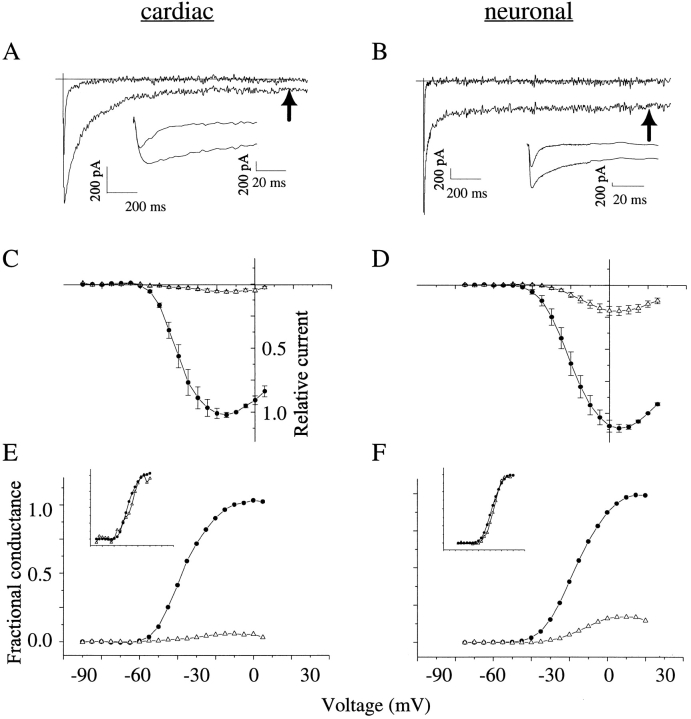
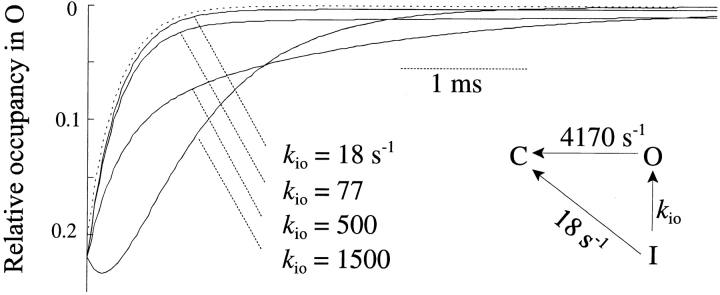
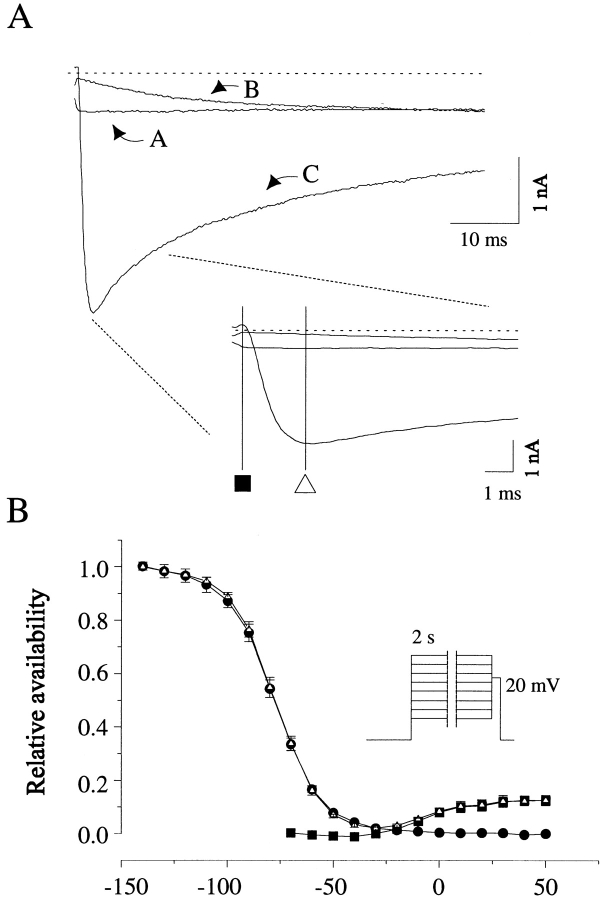
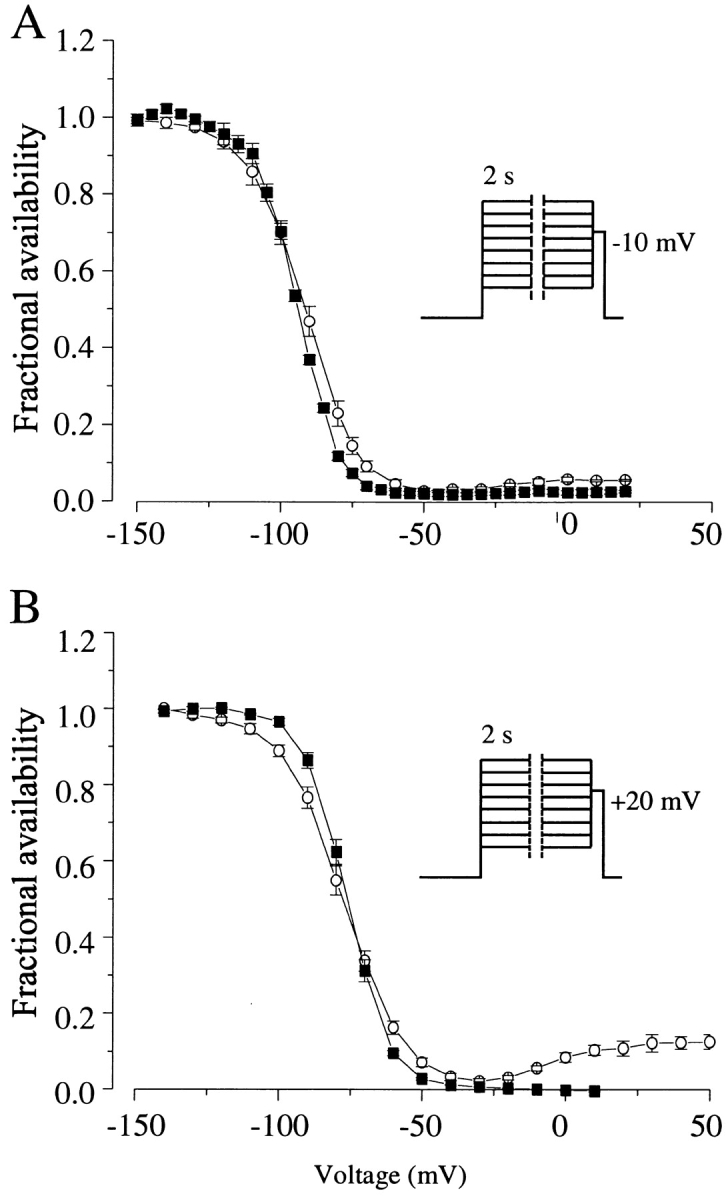
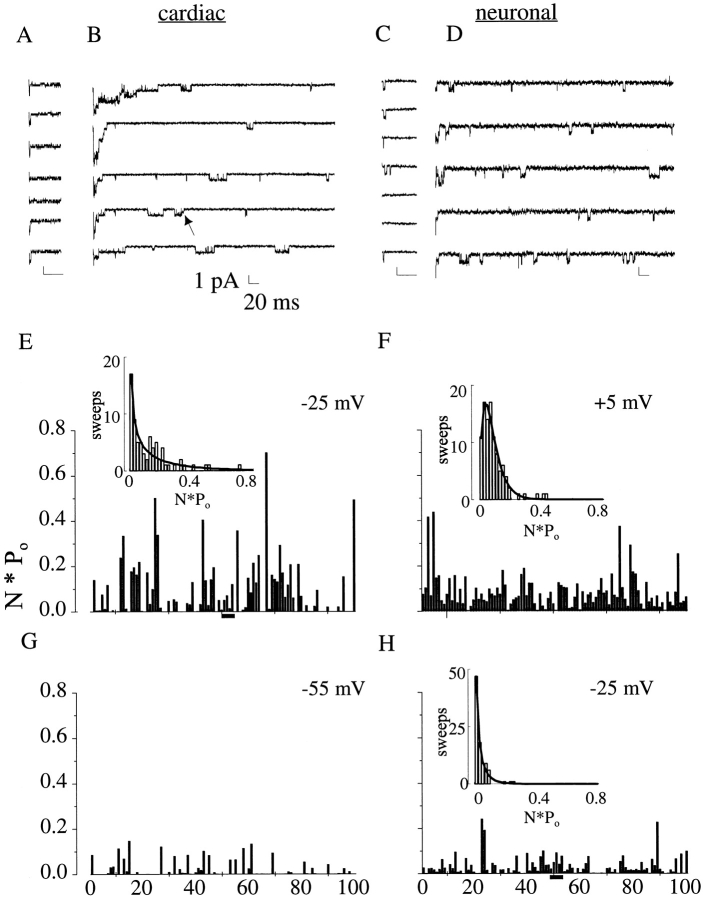
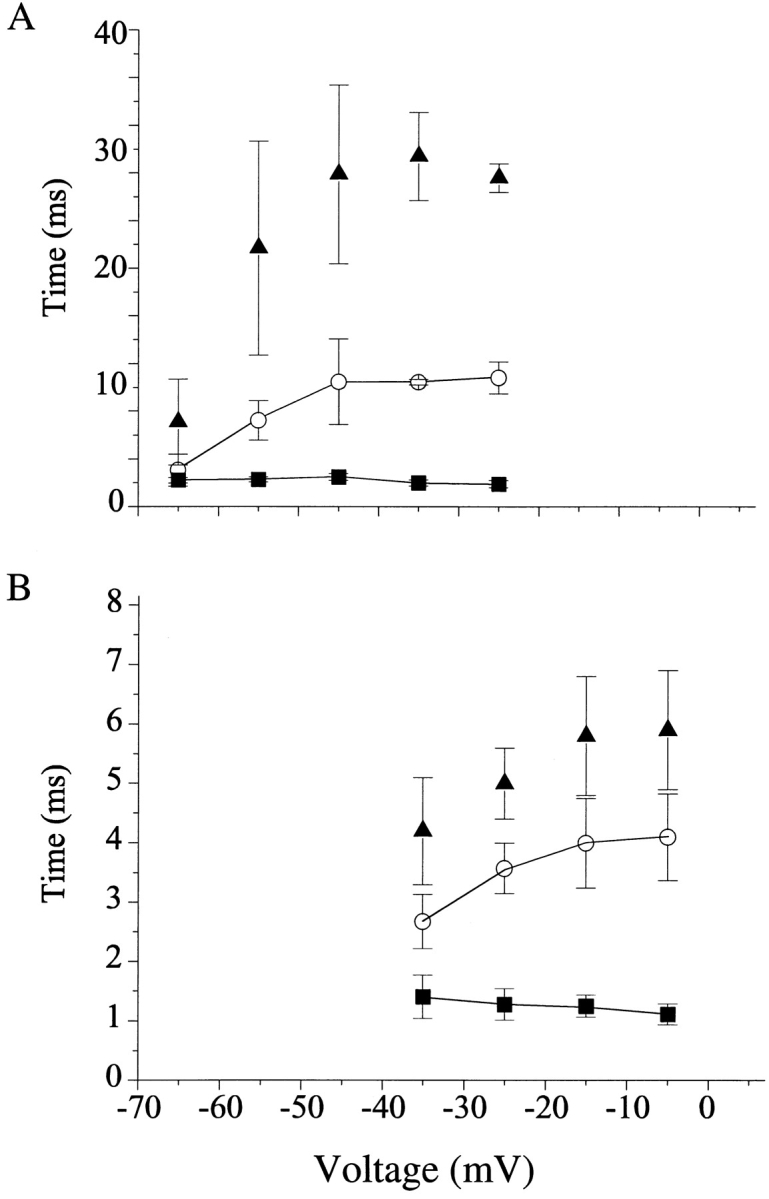
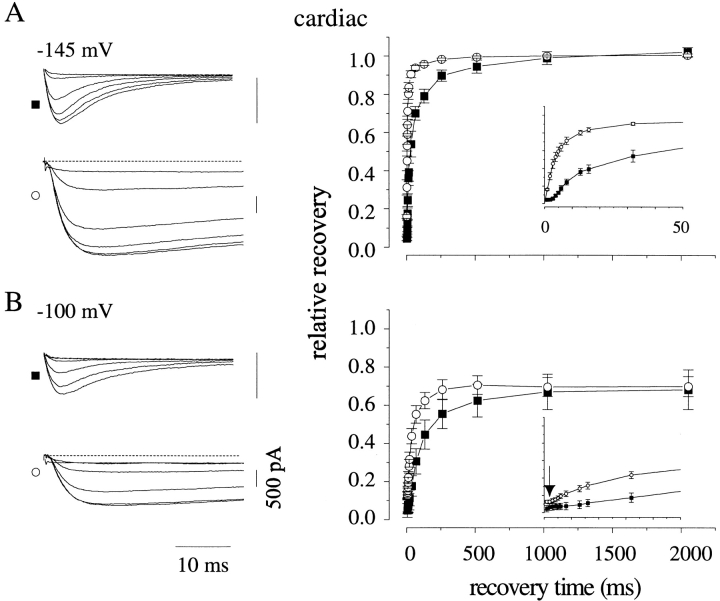
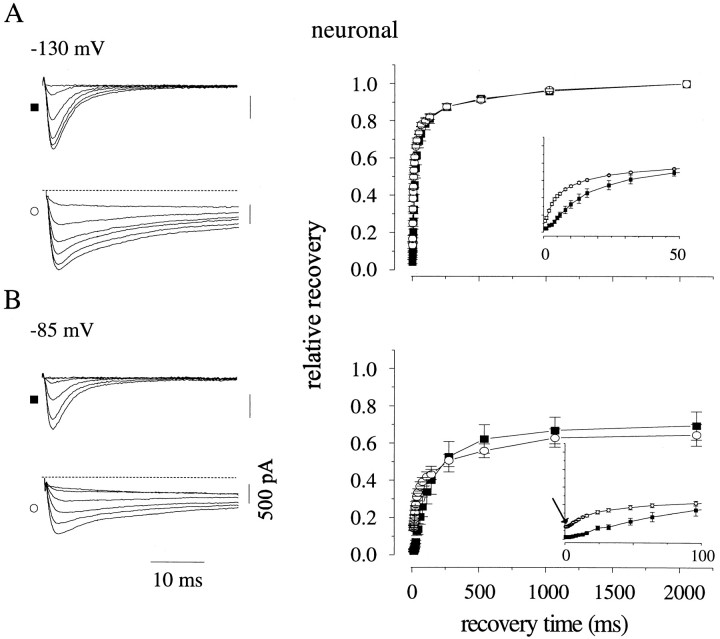
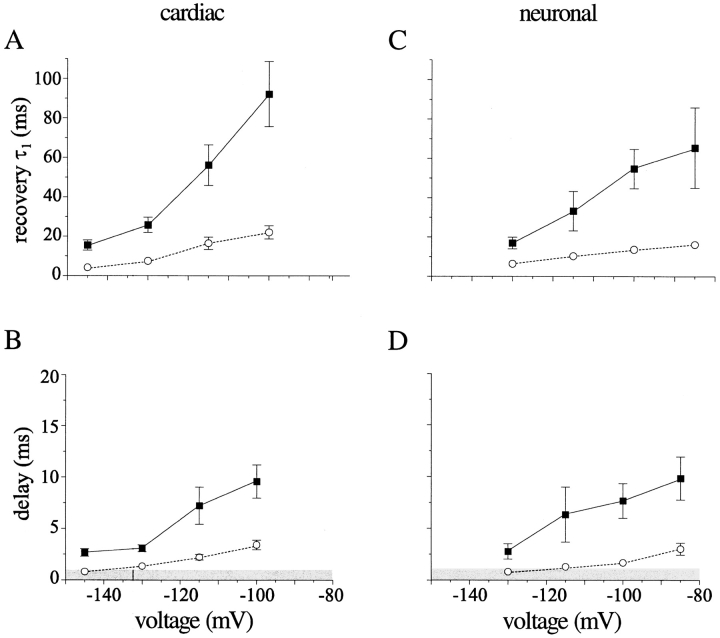
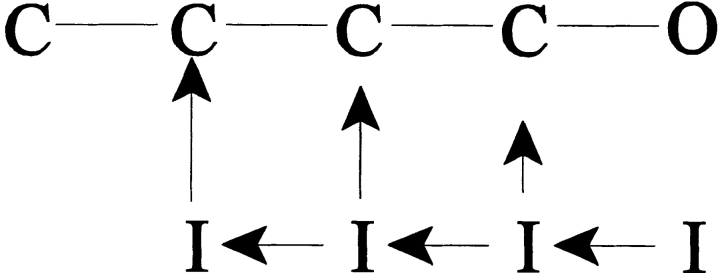
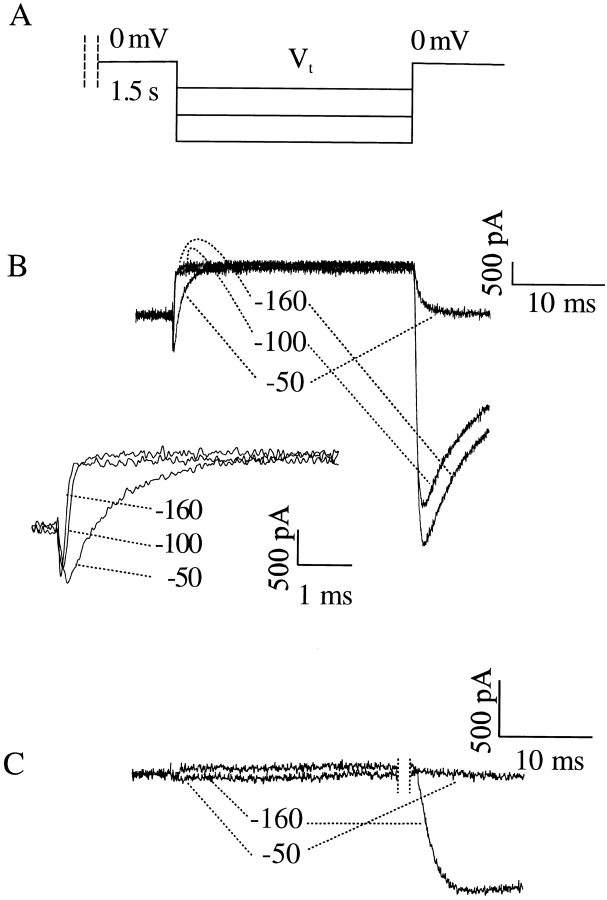
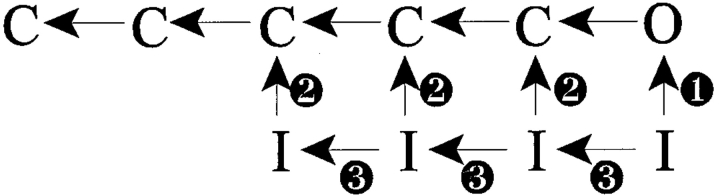
Site-3 toxins isolated from several species of scorpion and sea anemone bind to voltage-gated Na channels and prolong the time course of INa by interfering with inactivation with little or no effect on activation, effects that have similarities to those produced by genetic diseases in skeletal muscle (myotonias and periodic paralysis) and heart (long QT syndrome). Some published reports have also reported the presence of a noninactivating persistent current in site-3 toxin-treated cells. We have used the high affinity site-3 toxin Anthopleurin B to study the kinetics of this current and to evaluate kinetic differences between cardiac (in RT4-B8 cells) and neuronal (in N1E-115 cells) Na channels. By reverse transcription-PCR from N1E-115 cell RNA multiple Na channel transcripts were detected; most often isolated were sequences homologous to rBrII, although at low frequency sequences homologous to rPN1 and rBrIII were also detected. Toxin treatment induced a voltage-dependent plateau current in both isoforms for which the relative amplitude (plateau current/peak current) approached a constant value with depolarization, although the magnitude was much greater for neuronal (17%) than cardiac (5%) INa. Cell-attached patch recordings revealed distinct quantitative differences in open times and burst durations between isoforms, but for both isoforms the plateau current comprised discrete bursts separated by quiescent periods, consistent with toxin induction of an increase in the rate of recovery from inactivation rather than a modal failure of inactivation. In accord with this hypothesis, toxin increased the rate of whole-cell recovery at all tested voltages. Moreover, experimental data support a model whereby recovery at negative voltages is augmented through closed states rather than through the open state. We conclude that site-3 toxins produce qualitatively similar effects in cardiac and neuronal channels and discuss implications for channel kinetics.
从几种蝎子和海葵中分离出的3型位点毒素与电压门控钠通道结合,通过干扰失活来延长钠电流(INa)的时间进程,而对激活几乎没有影响,这些作用与骨骼肌(肌强直和周期性麻痹)和心脏(长QT综合征)的遗传疾病所产生的作用相似。一些已发表的报告还报道了在3型位点毒素处理的细胞中存在非失活的持续电流。我们使用高亲和力的3型位点毒素Anthopleurin B来研究这种电流的动力学,并评估心脏(RT4-B8细胞)和神经元(N1E-115细胞)钠通道之间的动力学差异。通过从N1E-115细胞RNA进行逆转录聚合酶链反应,检测到多个钠通道转录本;最常分离到的是与rBrII同源的序列,不过也以低频率检测到了与rPN1和rBrIII同源的序列。毒素处理在两种亚型中均诱导出电压依赖性平台电流,其相对幅度(平台电流/峰值电流)随着去极化接近一个恒定值,尽管神经元钠电流(17%)的幅度比心脏钠电流(5%)大得多。细胞贴附式膜片钳记录显示两种亚型在开放时间和爆发持续时间上存在明显的数量差异,但对于两种亚型,平台电流均由静息期分隔的离散爆发组成,这与毒素诱导失活恢复速率增加而非失活模式失败一致。与该假设一致,毒素在所有测试电压下均增加了全细胞恢复速率。此外,实验数据支持一种模型,即负电压下的恢复通过关闭状态而非开放状态增强。我们得出结论,3型位点毒素在心脏和神经元通道中产生定性相似的作用,并讨论了对通道动力学的影响。