Mattern T, Girroleit G, Flad H D, Rietschel E T, Ulmer A J
Department of Immunology and Cell Biology, Research Center Borstel, 23845 Borstel, Germany.
J Exp Med. 1999 Feb 15;189(4):693-700. doi: 10.1084/jem.189.4.693.
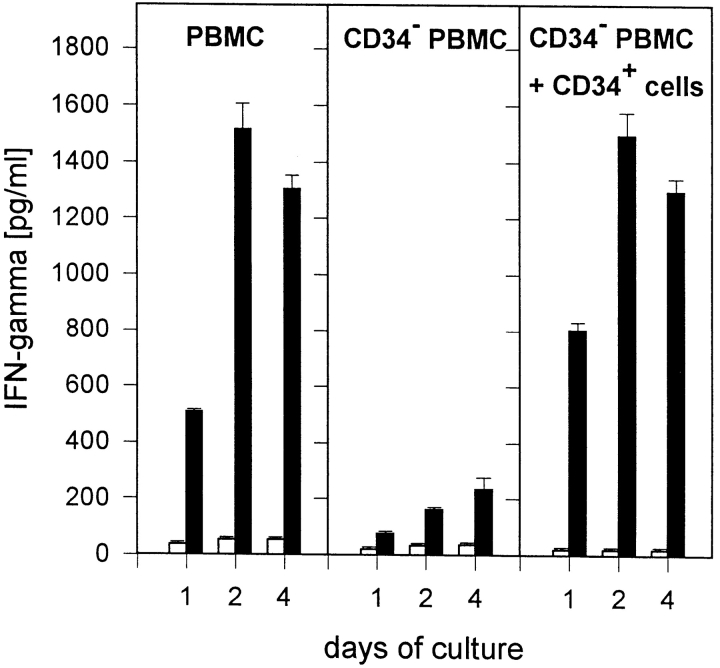
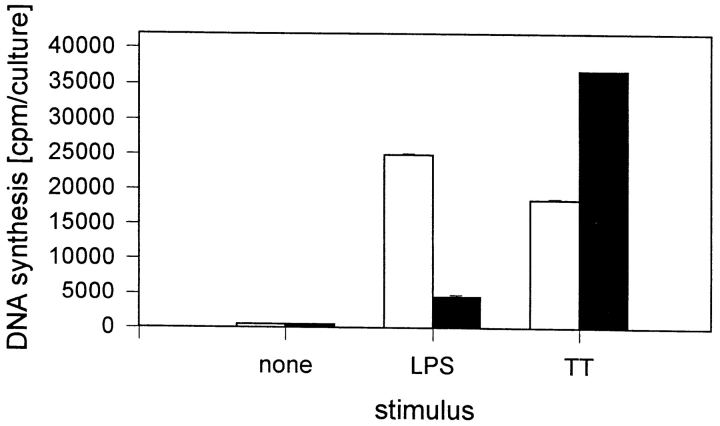
CD34(+) hematopoietic stem cells, which circulate in peripheral blood with very low frequency, exert essential accessory function during lipopolysaccharide (LPS)-induced human T lymphocyte activation, resulting in interferon gamma production and proliferation. In contrast, stimulation of T cells by "conventional" recall antigens is not controlled by blood stem cells. These conclusions are based on the observation that depletion of CD34(+) blood stem cells results in a loss of LPS-induced T cell stimulation as well as reduced expression of CD80 antigen on monocytes. The addition of CD34-enriched blood stem cells resulted in a recovery of reactivity of T cells and monocytes to LPS. Blood stem cells could be replaced by the hematopoietic stem cell line KG-1a. These findings may be of relevance for high risk patients treated with stem cells or stem cell recruiting compounds and for patients suffering from endotoxin-mediated diseases.
CD34(+)造血干细胞在外周血中循环的频率极低,在脂多糖(LPS)诱导的人T淋巴细胞活化过程中发挥重要的辅助功能,导致γ干扰素的产生和增殖。相比之下,“传统”回忆抗原对T细胞的刺激不受血液干细胞的控制。这些结论基于以下观察结果:CD34(+)血液干细胞的消耗导致LPS诱导的T细胞刺激丧失以及单核细胞上CD80抗原表达降低。添加富含CD34的血液干细胞可使T细胞和单核细胞对LPS的反应性恢复。造血干细胞系KG-1a可替代血液干细胞。这些发现可能与接受干细胞或干细胞募集化合物治疗的高危患者以及患有内毒素介导疾病的患者有关。