Krause W J, Cutts J H, Leeson C R
J Anat. 1976 Nov;122(Pt 2):293-314.
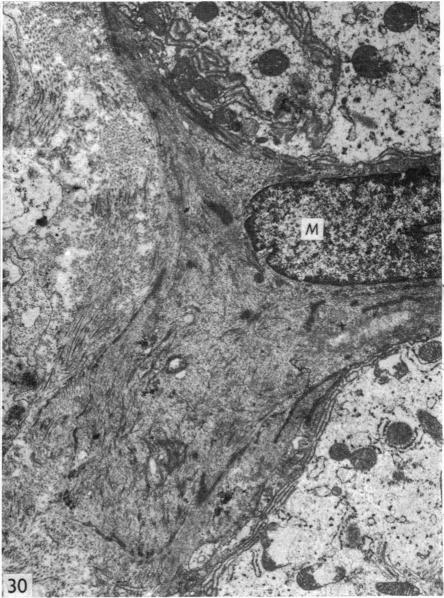
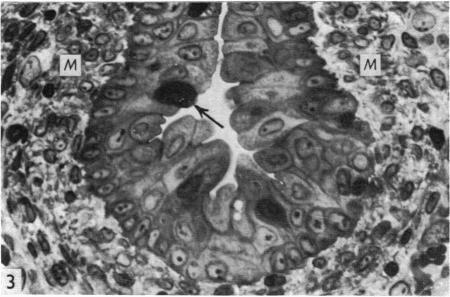
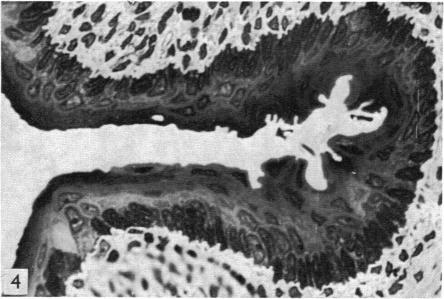
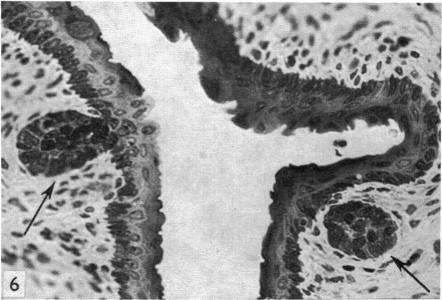
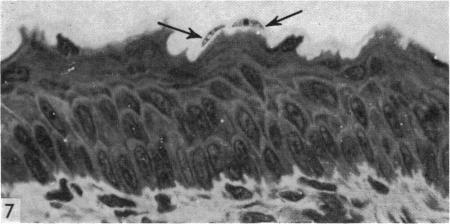
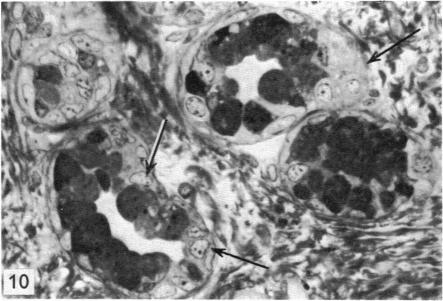
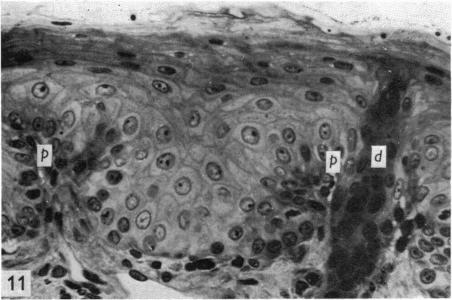
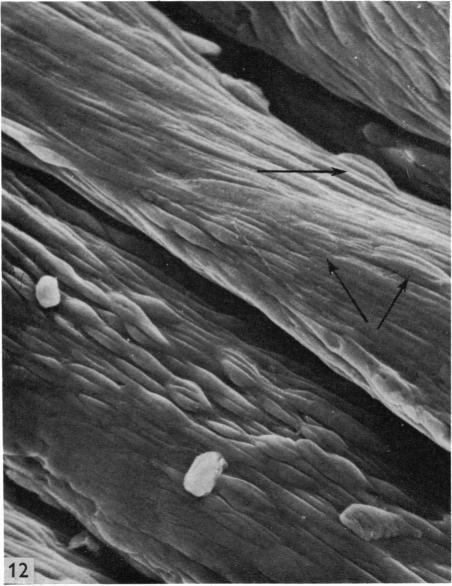
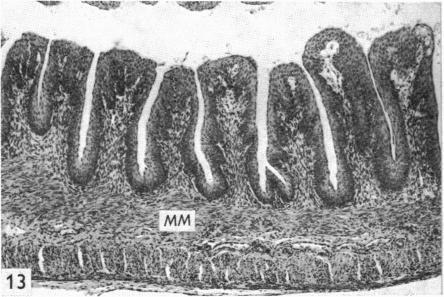
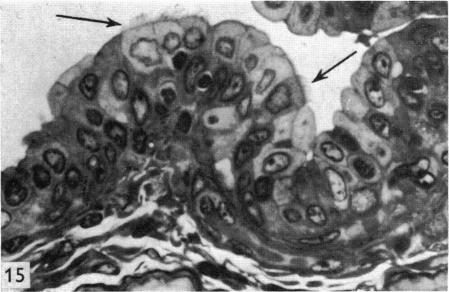
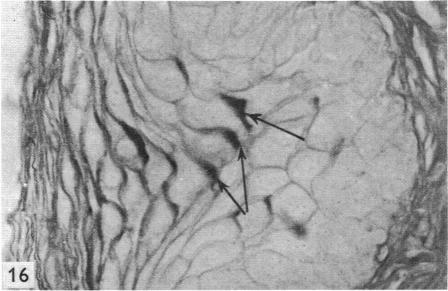
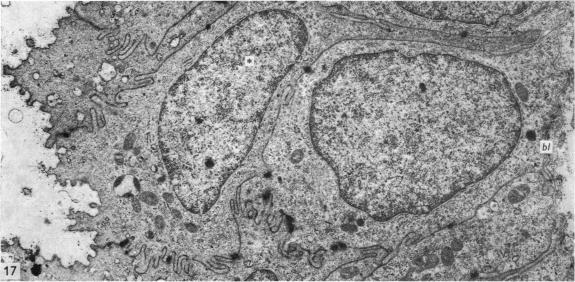
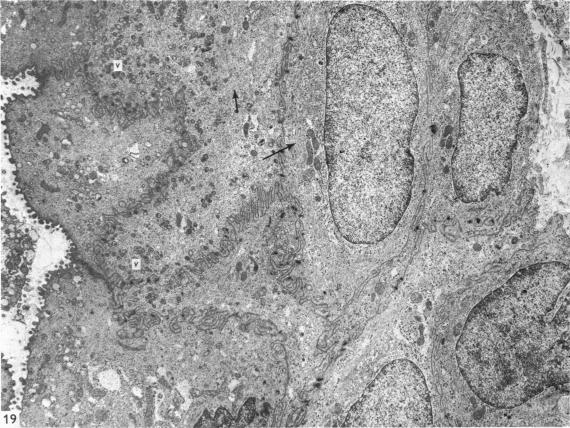
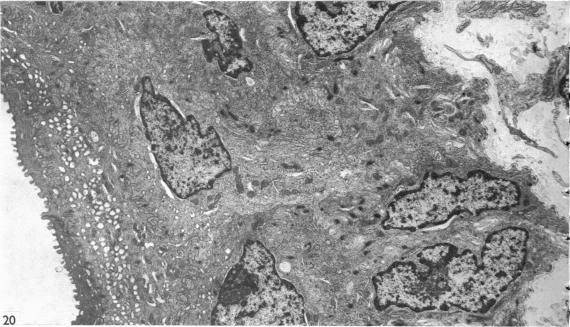
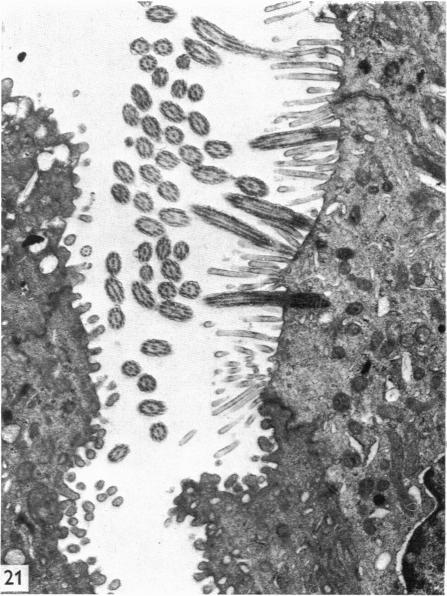
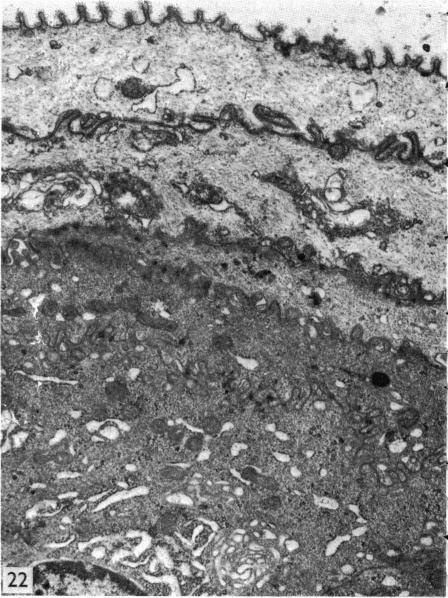
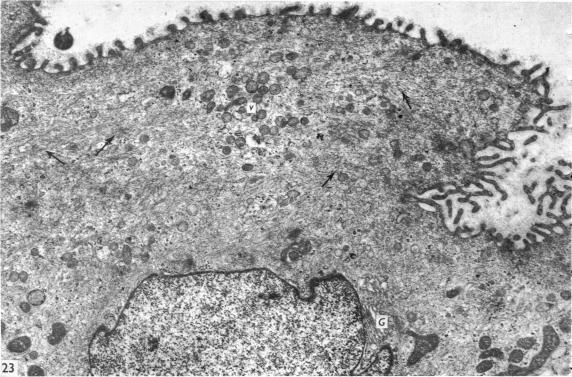
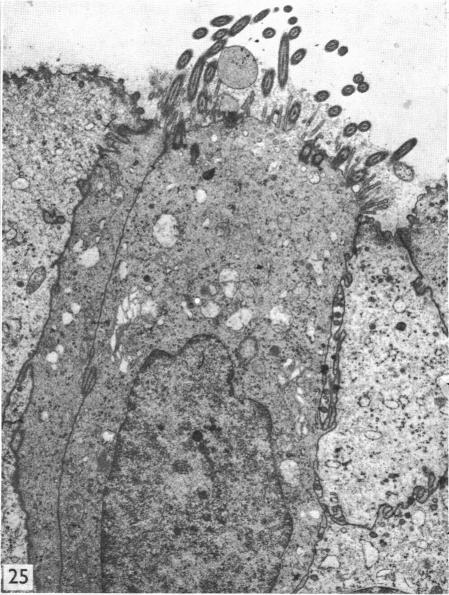
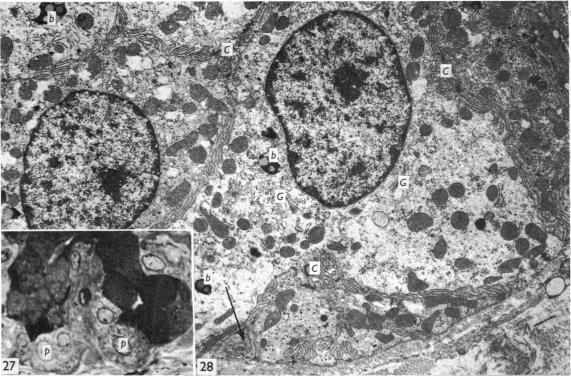
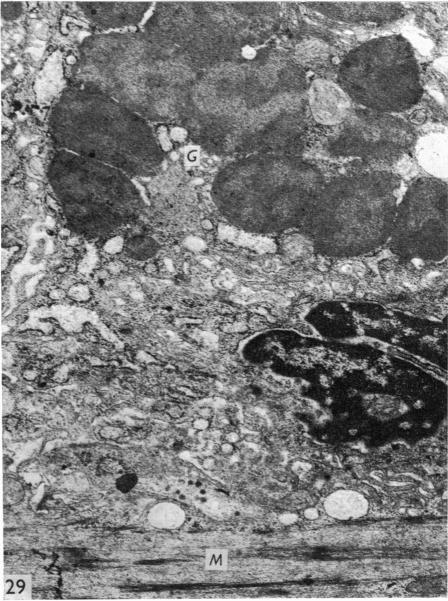
The oesophageal epithelium of the newborn opossum generally is two to three cells in depth and in some regions appears pseudostratified. By the 9th postnatal day the epithelium shows two distinct strata. Ciliated cells and occasional goblet cells also are observed within the epithelium during this stage and in subsequent stages. Cilia persist in the oesophagus of the adult opossum, but are restricted to the depths of the transverse folds found in the distal part of the organ. The epithelium covering the transverse folds of the adult likewise has an immature appearance. By 4-5 cm (ca. 20 days), the epithelium has assumed a more mature appearance and is of greater depth. This and later stages show three basic strata: a germinal layer, a spinous layer and, adjacent to the lumen, a flattened layer of cells that retain their nuclei. The epithelium throughout the postnatal period and in the adult does not undergo complete keratinization. The oesophageal glands begin as outgrowths from the epithelium just prior to 4-5 cm (ca. 20 days). The glands continue their development throughout the remainder of the postnatal period. The secretory units of the oesophageal glands of the the major portion of the secretory elements, and a light, rounded cell type which is less numerous and which occupies the terminal portions of the secretory units. Secretory material of the former appears complex, consisting of both neutral and acid glycoproteins. The secretory product of the light cell type is unknown at present. Both cell types are encompassed by myoepithelial cells. The relationship of the mitotic sequences to the observations made by microscopic examination of the developing oesophagus is discussed.
新生负鼠的食管上皮通常有两到三层细胞深,在某些区域呈假复层。出生后第9天,上皮显示出两个不同的层。在此阶段及后续阶段,上皮内也观察到纤毛细胞和偶尔的杯状细胞。纤毛在成年负鼠的食管中持续存在,但仅限于器官远端发现的横向褶皱深处。覆盖成年负鼠横向褶皱的上皮同样具有不成熟的外观。到4-5厘米(约20天)时,上皮呈现出更成熟的外观且更深。这个阶段及以后的阶段显示出三个基本层:生发层、棘层,以及与管腔相邻的一层扁平细胞,这些细胞保留着细胞核。在整个出生后时期及成年期,上皮都不会完全角化。食管腺在4-5厘米(约20天)之前开始从上皮长出。这些腺体在出生后剩余时间里继续发育。食管腺的分泌单位主要由大部分分泌成分组成,还有一种浅色、圆形的细胞类型,数量较少,占据分泌单位的末端部分。前者的分泌物质看起来很复杂,由中性和酸性糖蛋白组成。目前尚不清楚浅色细胞类型的分泌产物。两种细胞类型都被肌上皮细胞包围。本文讨论了有丝分裂序列与发育中食管显微镜检查结果之间的关系。