Stupack D G, Li E, Silletti S A, Kehler J A, Geahlen R L, Hahn K, Nemerow G R, Cheresh D A
Department of Immunology, The Scripps Research Institute, La Jolla, California 92037, USA.
J Cell Biol. 1999 Feb 22;144(4):777-88. doi: 10.1083/jcb.144.4.777.
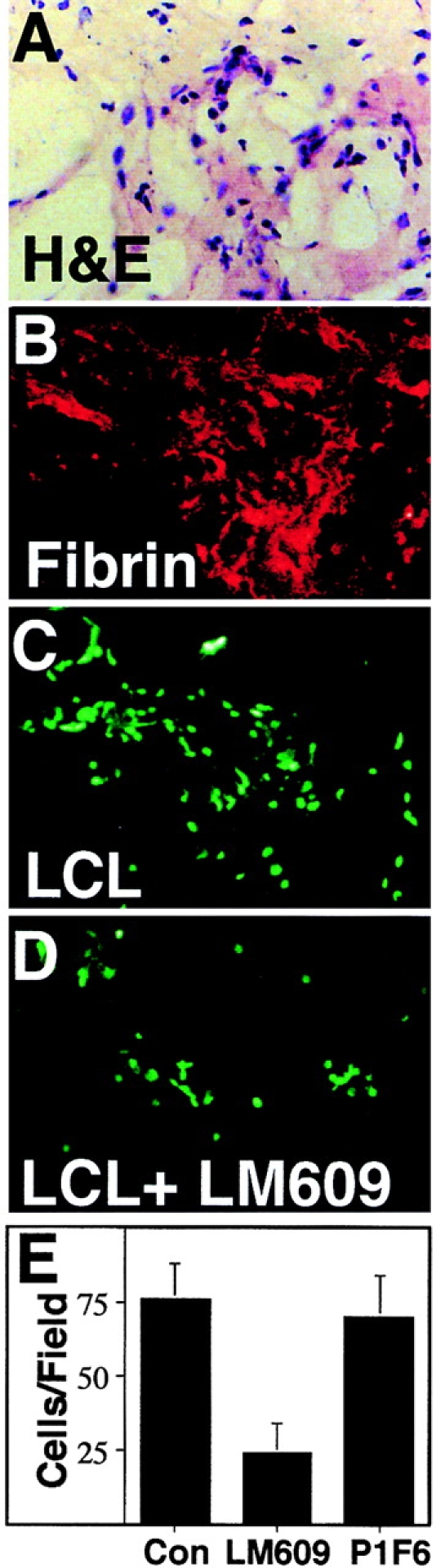
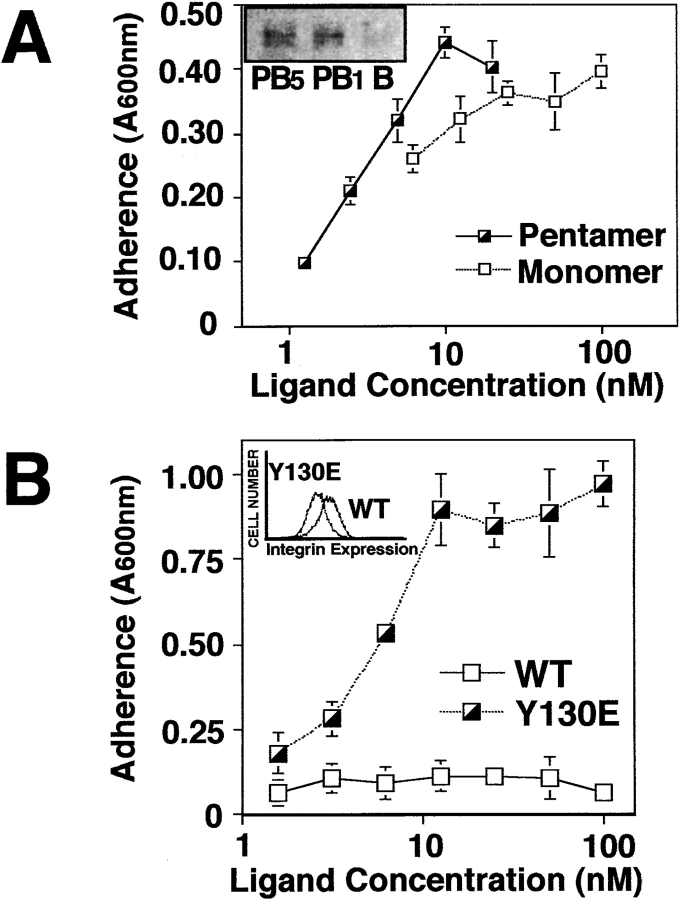
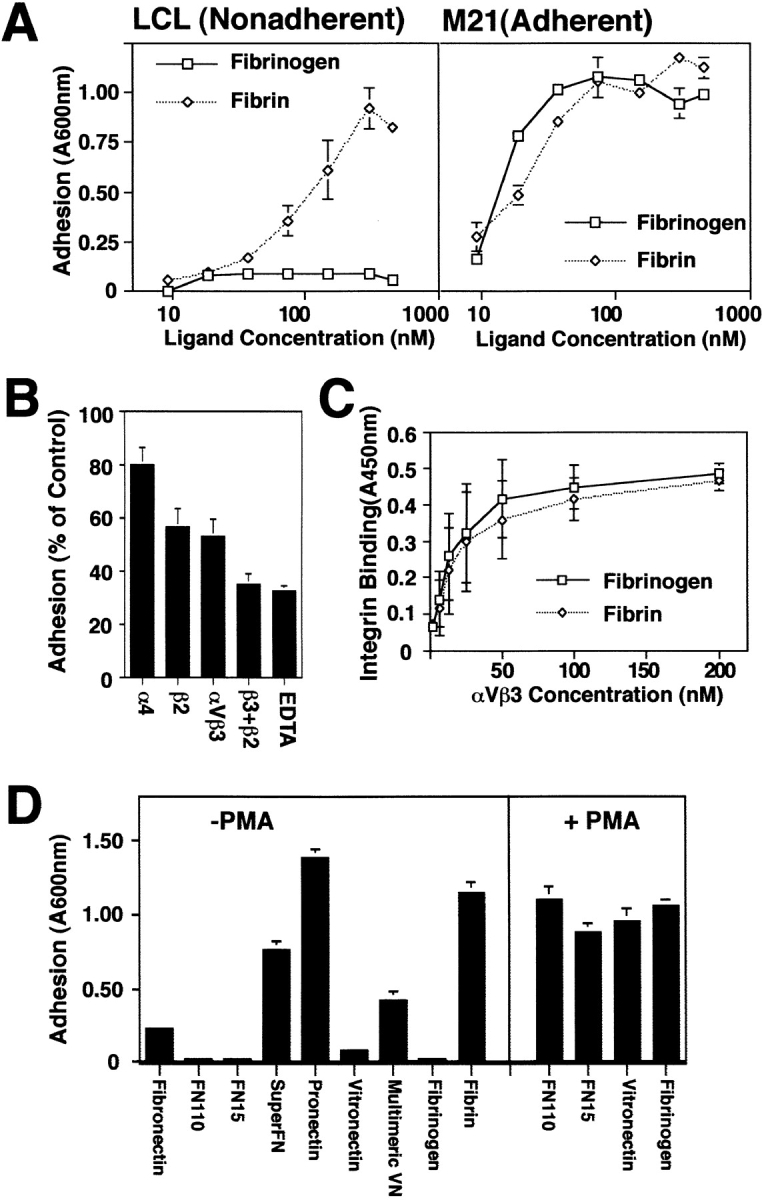
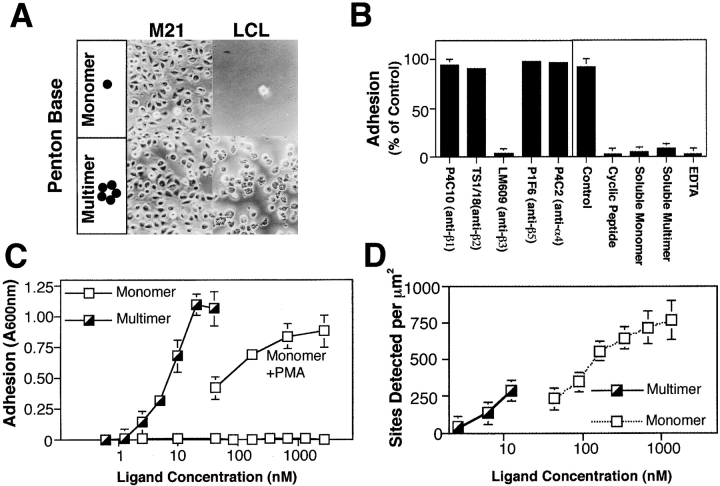
Lymphocytes accumulate within the extracellular matrix (ECM) of tumor, wound, or inflammatory tissues. These tissues are largely comprised of polymerized adhesion proteins such as fibrin and fibronectin or their fragments. Nonactivated lymphoid cells attach preferentially to polymerized ECM proteins yet are unable to attach to monomeric forms or fragments of these proteins without previous activation. This adhesion event depends on the appropriate spacing of integrin adhesion sites. Adhesion of nonactivated lymphoid cells to polymeric ECM components results in activation of the antigen receptor-associated Syk kinase that accumulates in adhesion-promoting podosomes. In fact, activation of Syk by antigen or agonists, as well as expression of an activated Syk mutant in lymphoid cells, facilitates their adhesion to monomeric ECM proteins or their fragments. These results reveal a cooperative interaction between signals emanating from integrins and antigen receptors that can serve to regulate stable lymphoid cell adhesion and retention within a remodeling ECM.
淋巴细胞在肿瘤、伤口或炎症组织的细胞外基质(ECM)中聚集。这些组织主要由聚合的黏附蛋白组成,如纤维蛋白和纤连蛋白或其片段。未活化的淋巴细胞优先附着于聚合的ECM蛋白,但在没有预先激活的情况下无法附着于这些蛋白的单体形式或片段。这种黏附事件取决于整合素黏附位点的适当间距。未活化的淋巴细胞与聚合的ECM成分的黏附会导致与抗原受体相关的Syk激酶激活,该激酶在促进黏附的足体中积累。事实上,抗原或激动剂对Syk的激活,以及活化的Syk突变体在淋巴细胞中的表达,都有助于它们黏附于单体ECM蛋白或其片段。这些结果揭示了整合素和抗原受体发出的信号之间的协同相互作用,该相互作用可用于调节淋巴细胞在重塑的ECM中的稳定黏附和滞留。