Anton R F
Center for Drug and Alcohol Programs, Medical University of South Carolina, Charleston, USA.
Alcohol Res Health. 1999;23(3):165-73.
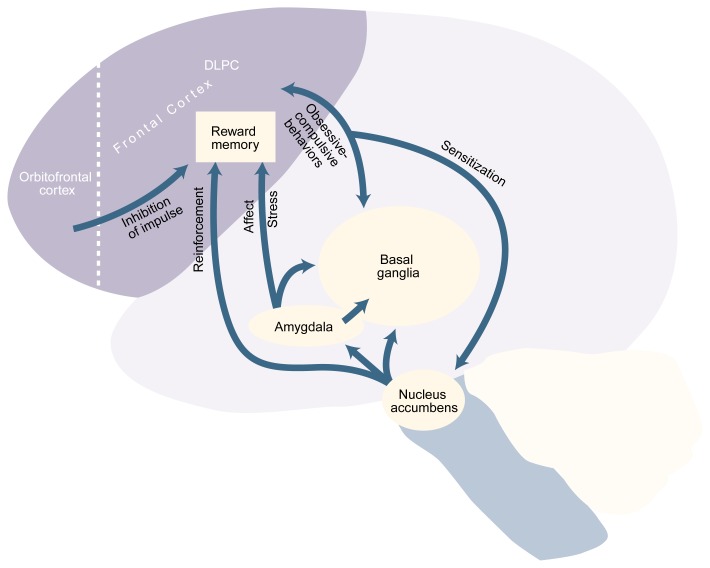
Although many alcoholics experience craving, researchers have not yet developed a common, valid definition of the phenomenon. Numerous models of the mechanisms underlying craving have been suggested, however. One of those models--the neuroadaptive model--suggests that the prolonged presence of alcohol induces changes in brain-cell function. In the absence of alcohol, those changes cause an imbalance in brain activity that results in craving. Furthermore, the adaptive changes generate memories of alcohol's pleasant effects that can be activated when alcohol-related environmental stimuli are encountered, even after prolonged abstinence, thereby leading to relapse. Similarly, stressful situations may trigger memories of the relief afforded by alcohol, which could also lead to relapse. Neurobiological and brain-imaging studies have identified numerous brain chemicals and brain regions that may be involved in craving. Psychiatric conditions that affect some of these brain regions, such as depression or anxiety, also may influence craving. A better understanding and more reliable assessment of craving may help clinicians tailor treatment to the specific needs of each patient, thereby reducing the risk of relapse.
尽管许多酗酒者会经历渴望饮酒的阶段,但研究人员尚未对这一现象形成一个通用、有效的定义。不过,已经提出了许多关于渴望饮酒背后机制的模型。其中一个模型——神经适应性模型——表明,酒精的长期存在会引起脑细胞功能的变化。在没有酒精的情况下,这些变化会导致大脑活动失衡,从而产生渴望。此外,适应性变化会产生对酒精愉悦效果的记忆,即使在长期戒酒之后,当遇到与酒精相关的环境刺激时,这些记忆也会被激活,从而导致复饮。同样,压力情境可能会触发对酒精带来的缓解作用的记忆,这也可能导致复饮。神经生物学和脑成像研究已经确定了许多可能与渴望饮酒有关的脑化学物质和脑区。影响其中一些脑区的精神疾病,如抑郁症或焦虑症,也可能影响渴望。对渴望饮酒有更好的理解和更可靠的评估,可能有助于临床医生根据每个患者的具体需求制定治疗方案,从而降低复饮的风险。